Who Has the Better Physique? Influencers or Pro Bodybuilders?
In today’s fitness landscape, two dominant archetypes shape what people consider the “ideal body”: fitness influencers and competitive bodybuilders. Scroll through social media and you’ll see lean, aesthetic physiques with perfect lighting and angles. Watch professional competitions like the Mr. Olympia and Arnold Classic, and you’ll see massive, highly conditioned athletes pushing the limits of muscular development.
So who actually has the better physique—fitness influencers or bodybuilders? The answer depends on your goals, your definition of “better,” and what you value in a physique.
Our team at Generation Iron break down what defines a fitness influencer, their physique and whether or not they have better physiques than professional bodybuilders.
What Defines a Fitness Influencer Physique?
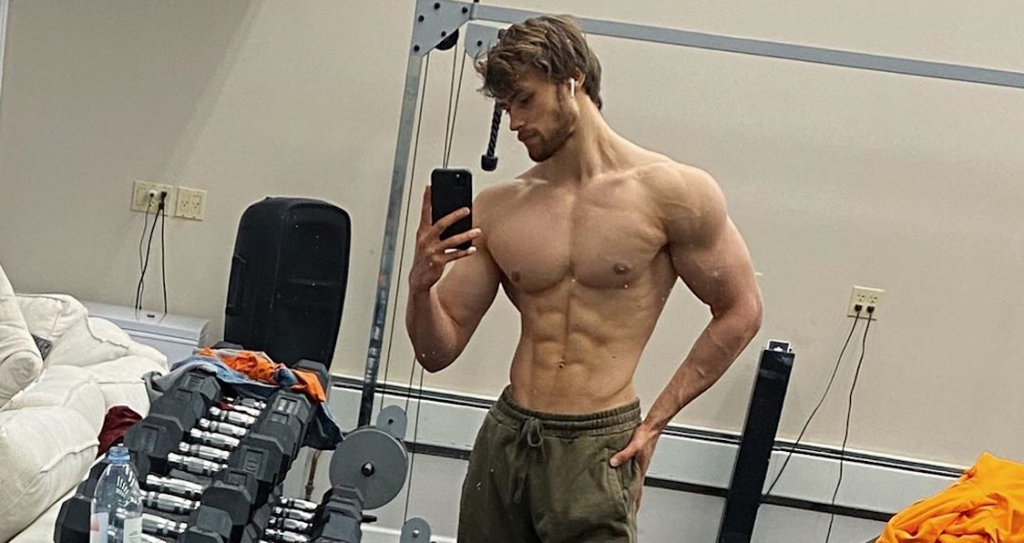
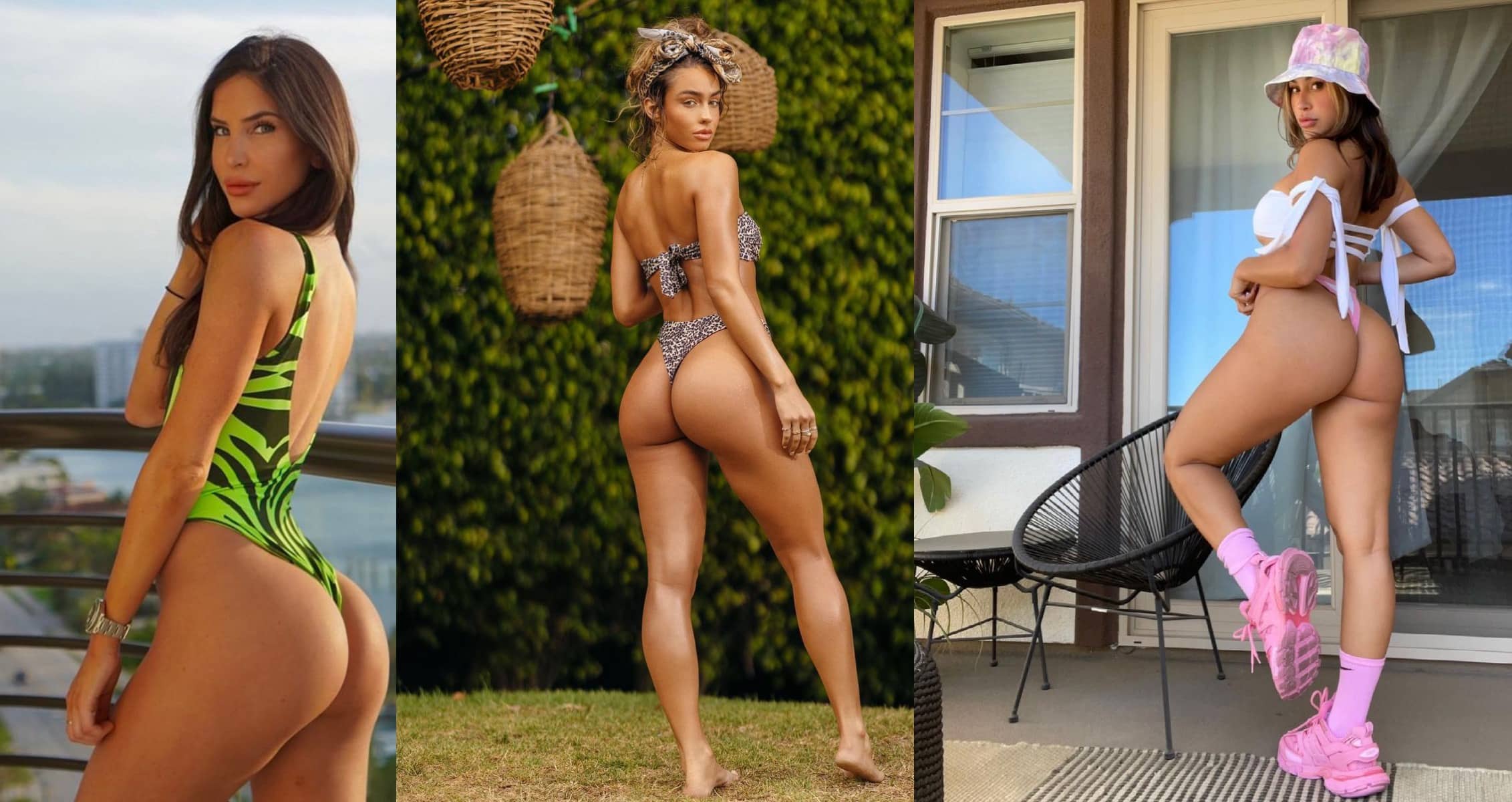
Fitness influencers are typically known for building lean, aesthetic, and highly marketable physiques. Popular names like David Laid and the Tren Twins have built massive followings by showcasing bodies that are both impressive and, at least on the surface, attainable.
Key Characteristics of Fitness Influencers:
- Low amounts of body fat (usually 8–12% for men)
- Visible abs year-round
- Balanced muscle development
- Strong emphasis on aesthetics and proportions
The influencer physique is designed to look good in everyday situations—at the beach, in the gym, or on camera.
What Defines a Bodybuilder Physique?
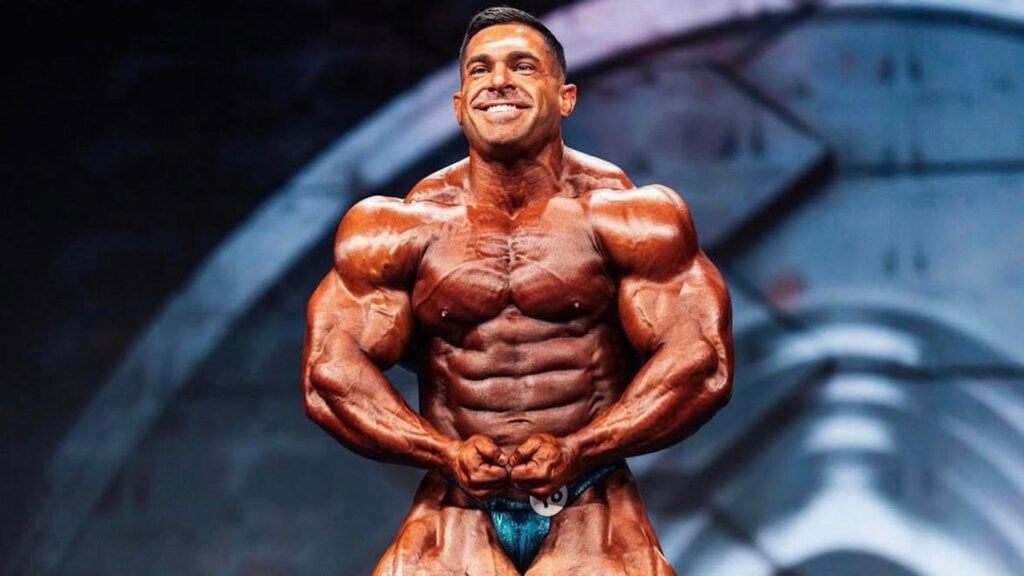
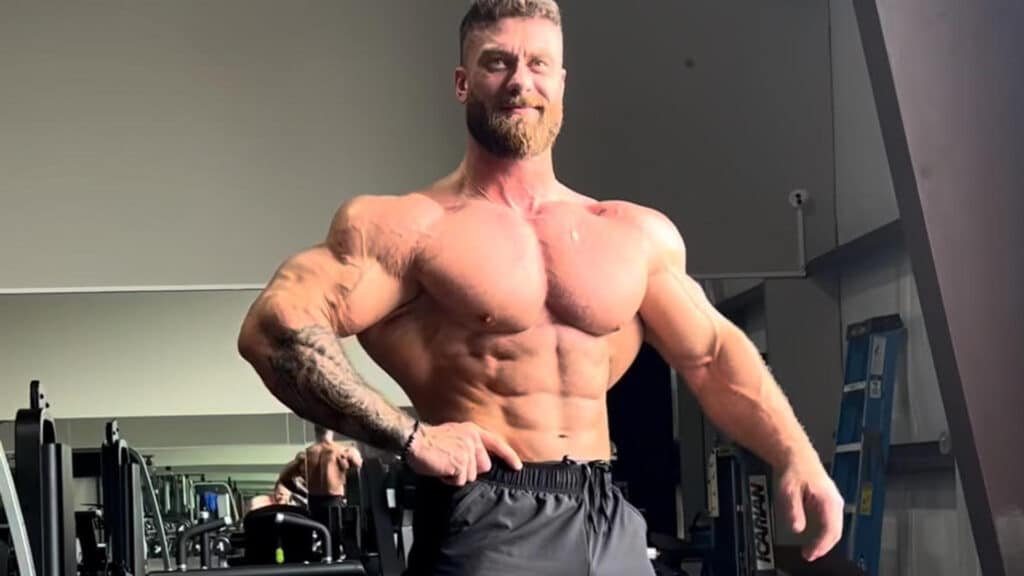
Bodybuilders operate on a completely different level. Athletes like Arnold Schwarzenegger and Chris Bumstead represent the pinnacle of muscular size, symmetry, and conditioning. Then you have the open classes that contain massive bodybuilders like Samson Dauda and Derek Lunsford.
Key Characteristics Pro Bodybuilders:
- Extreme muscle mass
- Ultra-low body fat (especially during competition)
- Highly detailed muscle separation and vascularity
- Physiques built specifically for judging criteria
Unlike influencers, bodybuilders train for the stage—not for everyday appearance.
Aesthetic Appeal vs Maximum Size
One of the biggest differences comes down to aesthetics versus size.
Fitness influencers tend to prioritize a “clean” look—broad shoulders, a narrow waist, and proportional muscle groups. This is often referred to as the “aesthetic physique” and is widely considered attractive by mainstream standards.
Bodybuilders, on the other hand, aim for maximum muscle mass while maintaining symmetry. In divisions like Classic Physique (where Chris Bumstead dominates), there is still an emphasis on aesthetics—but at a much larger scale.
In open bodybuilding, the goal is simple: be bigger, leaner, and more conditioned than everyone else.
Sustainability and Lifestyle
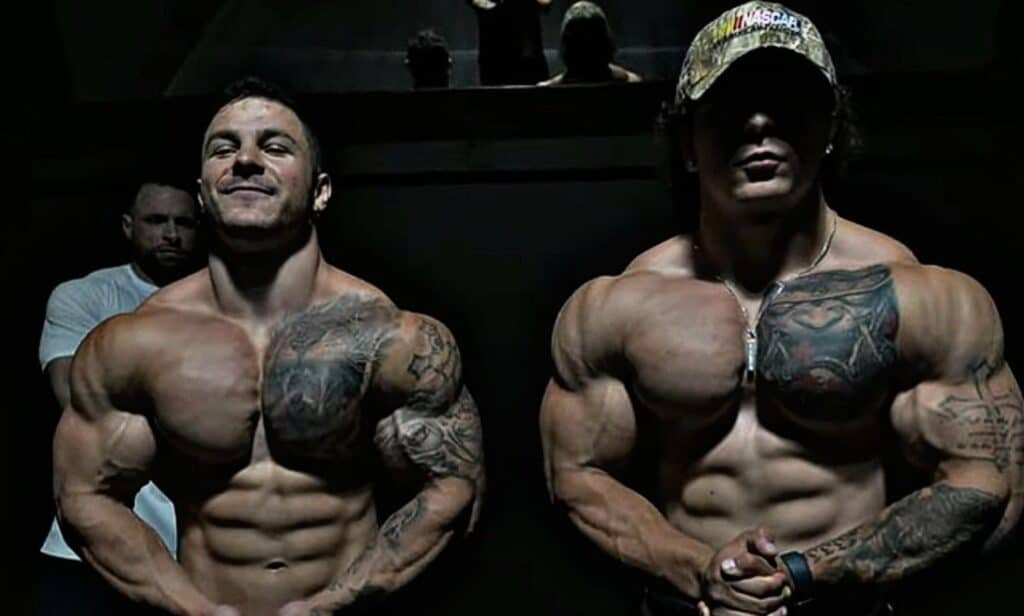
Fitness Influencers:
Influencer physiques are generally more sustainable year-round. While maintaining low body fat isn’t easy, it doesn’t require the extreme bulking and cutting cycles that bodybuilders go through.
Most influencers:
- Stay within a relatively stable weight range
- Train consistently without extreme phases
- Maintain a lifestyle that balances fitness with everyday life
Bodybuilders:
Bodybuilding is far more demanding and often unsustainable long-term at peak levels.
Competitive bodybuilders:
- Go through intense bulking and cutting cycles
- Reach dangerously low body fat levels during prep
- Follow strict diets and training regimens
Even elite competitors like Arnold Schwarzenegger have spoken about how different their off-season physiques look compared to stage condition.
Strength vs Appearance
While both groups are strong, their training styles differ significantly.
- Fitness influencers often train for a mix of strength, aesthetics, and content creation
- Bodybuilders train specifically to maximize muscle hypertrophy and symmetry
Interestingly, neither group is necessarily the strongest in absolute terms. Powerlifters typically outperform both in raw strength, but that’s a different category entirely.
The Role of Social Media
Social media has dramatically influenced how people perceive the “better physique.”
Fitness influencers benefit from:
- Perfect lighting and camera angles
- Strategic posing
- Editing and filters
This can create an illusion of a more polished and attainable body.
Bodybuilders, in contrast, are judged under harsh stage lighting with no filters. Their physiques are evaluated in real-time, making their level of conditioning and muscularity undeniable.
Genetics and Enhancement Factors

Both fitness influencers and bodybuilders often have elite genetics. However, at the highest levels of bodybuilding, it’s widely understood that performance-enhancing drugs (PEDs) are commonly used in different amounts than influencers.
This creates a major distinction:
- Influencer physiques may appear more attainable (though still difficult)
- Bodybuilder physiques often push beyond natural limits
Even in natural bodybuilding and influencer circles, genetics still play a huge role in overall appearance.
So, Who Has the Better Physique?
The honest answer: it depends on your definition of “better.”
Choose Fitness Influencers if You Value:
- Aesthetic, lean, and proportional physiques
- A look that’s more attainable and sustainable
- Everyday appearance and versatility
Choose Bodybuilders if You Value:
- Maximum muscle size and conditioning
- Elite-level dedication and discipline
- The pinnacle of physical development
For the average person, the influencer physique is often the more realistic and desirable goal. It balances muscle, leanness, and sustainability without requiring the extreme measures seen in competitive bodybuilding.
Influencers vs. Bodybuilders Final Thoughts
There is no universal “better physique”—only different standards.
Fitness influencers represent aesthetic appeal and lifestyle balance.
Bodybuilders represent extreme dedication and peak physical development.
Instead of choosing one over the other, the smarter approach is to take inspiration from both:
- Build a strong, aesthetic foundation
- Train consistently
- Avoid chasing extremes that aren’t sustainable
Comparing fitness influencers and bodybuilders comes down to priorities. One is built for everyday life and visual appeal, while the other is built for competition and pushing human limits.
The best physique is ultimately the one that fits your goals, your lifestyle, and your ability to maintain it long-term.
Let us know in the comments below. Also, be sure to follow Generation Iron on Facebook and Twitter.