The Truth Behind the Evolution of the Sport
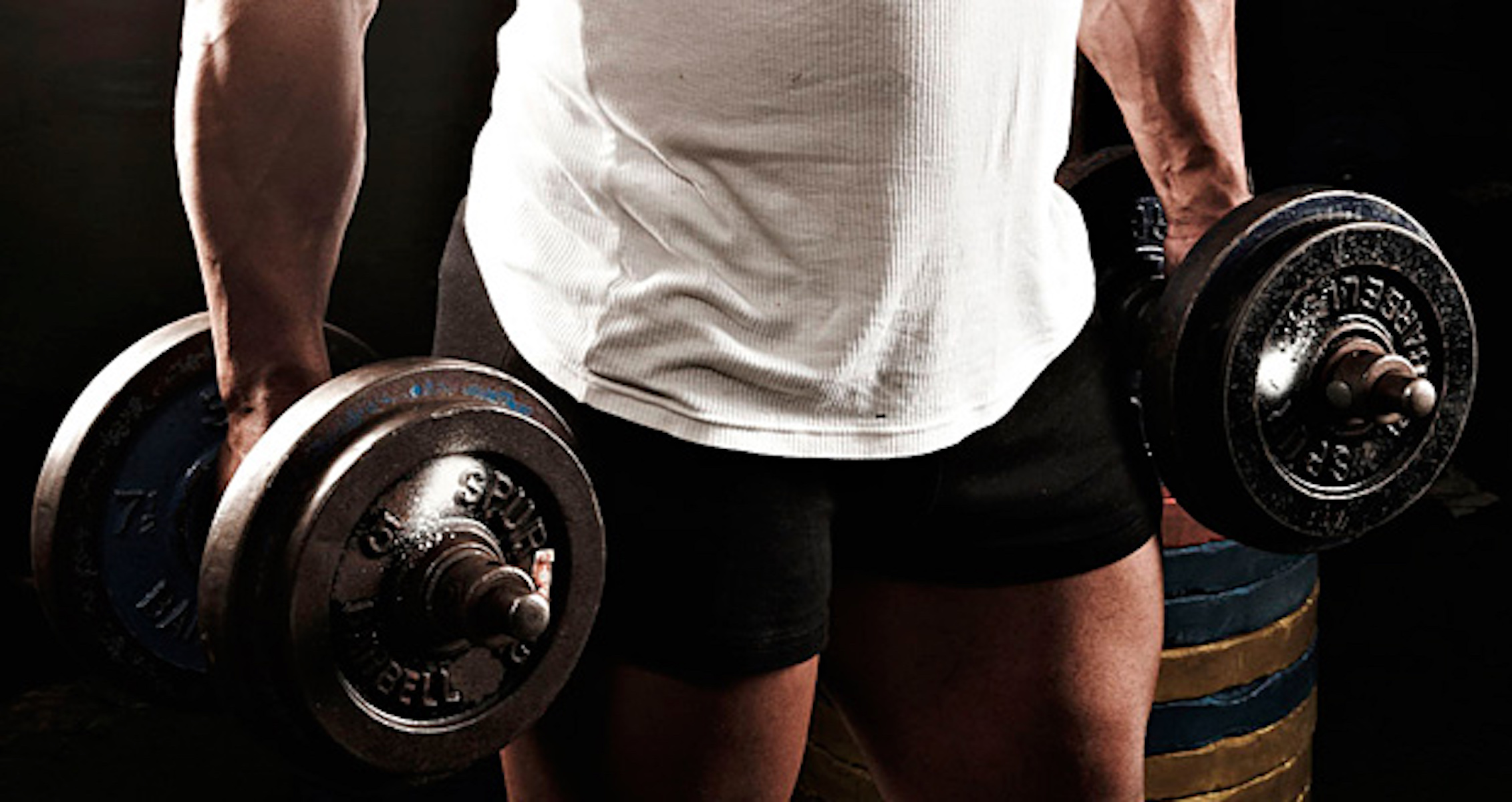
Bodybuilding has always been a cornerstone of fitness culture with magazines and competitions being the main source of media—but in 2026, many are asking the same question: Is bodybuilding dying?
At first glance, it might seem that way. The golden era of magazines is gone, mainstream exposure has shifted, and social media influencers dominate the spotlight. But if you look deeper, the reality is far more complex.
The truth is, bodybuilding isn’t dying—it’s evolving. Our team at Generation Iron is goin to break it down.
The Death of the Magazine Era

There was a time when bodybuilding media was king. Publications like Muscle & Fitness and FLEX Magazine were the primary sources of information, inspiration, and exposure for athletes. If you wanted to follow legends like Arnold Schwarzenegger or Ronnie Coleman, you waited for the next issue to drop.
But today, that model is nearly extinct.
While there are a few left, print magazines have largely disappeared, replaced by digital platforms, YouTube channels, and social media content. While this shift has made bodybuilding more accessible, it has also diluted the sense of prestige that once came with being featured in a major publication.
The Rise of Fitness Influencers
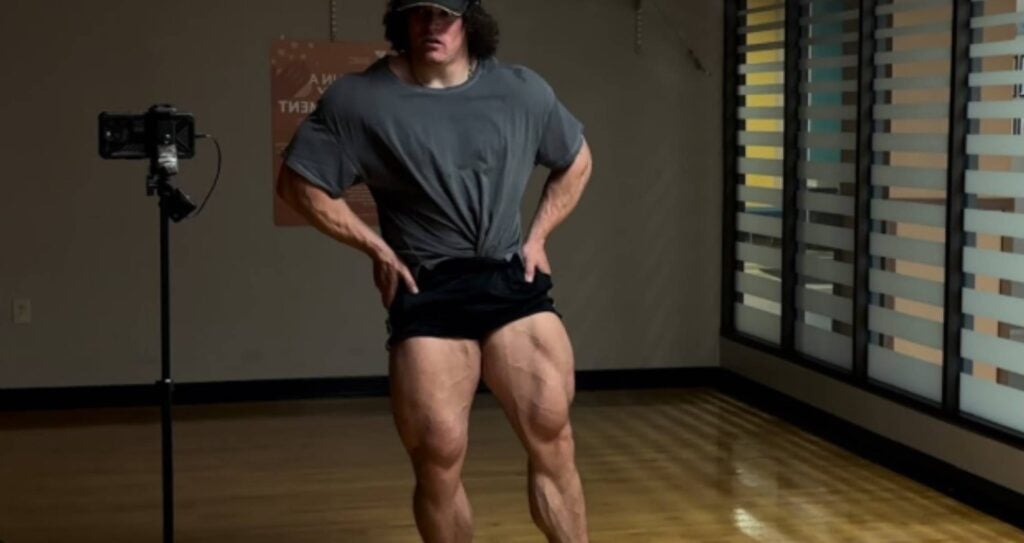
In 2026, the biggest names in fitness aren’t always competitive bodybuilders gracing the Mr. Olympia stage—they’re influencers.
Platforms like Instagram, TikTok, and YouTube have created a new category of fitness celebrity. Influencers can build massive audiences without ever stepping on a stage like the Mr. Olympia or Arnold Classic.
This shift has changed the landscape of what the average fitness enthusiast is interested in seeing:
- Aesthetic physiques often outperform mass monsters in popularity
- Relatability beats extreme conditioning
- Content creation can be more profitable than competing
Athletes like Chris Bumstead have successfully bridged the gap—dominating on stage while also building a massive online presence. But for many competitors, the real money now comes from branding, sponsorships, and content—not trophies.
Bodybuilding Competitions Are Bigger Than Ever
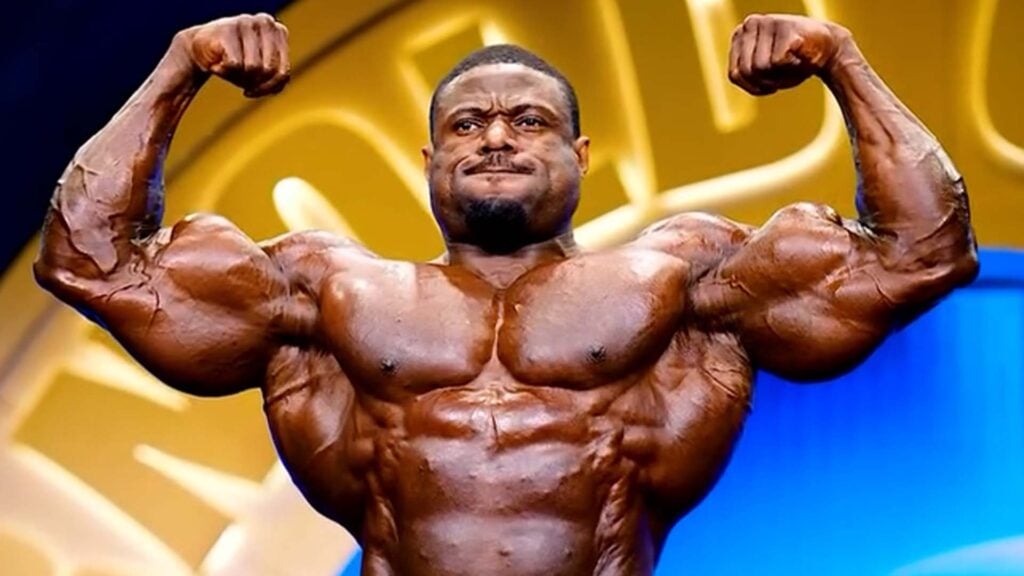
Despite the rise of influencers being what people are looking at, competitive bodybuilding is far from dead. In fact, major events like the Mr. Olympia and the Arnold Classic have seen increased prize pools, sponsorship deals, and global attention in recent years. The 2026 Arnold Classic actually gave a prize of $750,000 to the winner.
Top competitors are earning more than ever before, and the sport continues to expand internationally.
Key trends include:
- Larger cash prizes for winners
- More divisions (Classic Physique, Men’s Physique, Wellness, etc.)
- Increased global participation
This growth suggests that while the media landscape has changed, the competitive side of bodybuilding is actually thriving.
A Shift in Physique Standards
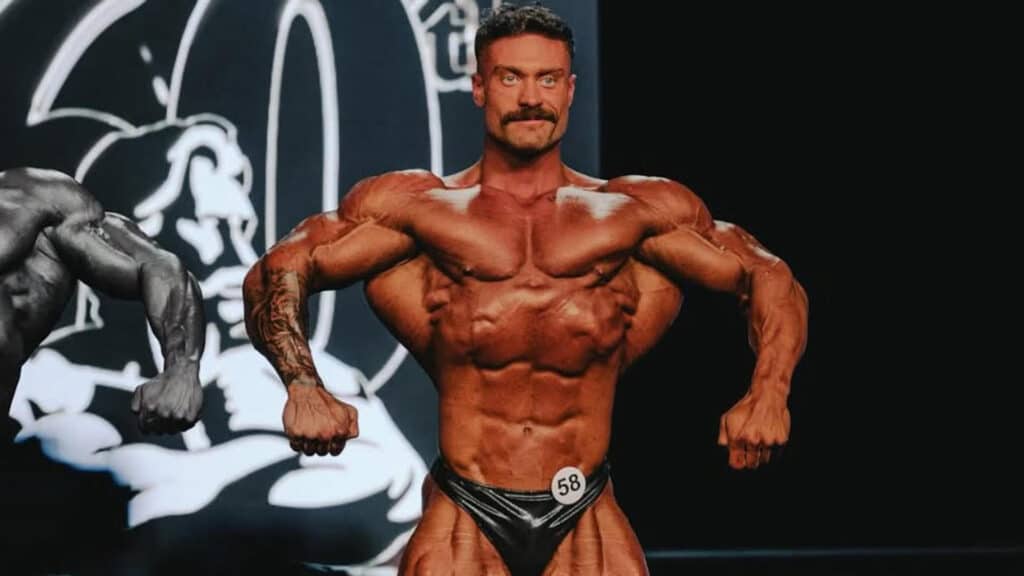
Another reason people think bodybuilding is “dying” is the shift in what physiques are celebrated.
During the mass monster era, size was everything. Today, there’s a growing preference for:
- Aesthetics
- Symmetry
- Classic proportions
Divisions like Classic Physique—led by athletes such as Chris Bumstead—have surged in popularity because they reflect a more attainable and visually appealing look for the average fitness enthusiast.
This shift doesn’t signal death—it signals adaptation to audience demand.
The Role of Media Brands in the New Era
Modern bodybuilding media has also evolved. Platforms like ours at Generation Iron have stepped in to fill the gap left by print magazines, delivering:
- Documentary-style content
- Athlete interviews
- Behind-the-scenes competition coverage
Instead of waiting a month for a magazine, fans now get instant access to content, updates, and insights.
This digital-first approach has helped keep bodybuilding relevant in a fast-paced, content-driven world.
Is Bodybuilding Less Mainstream?
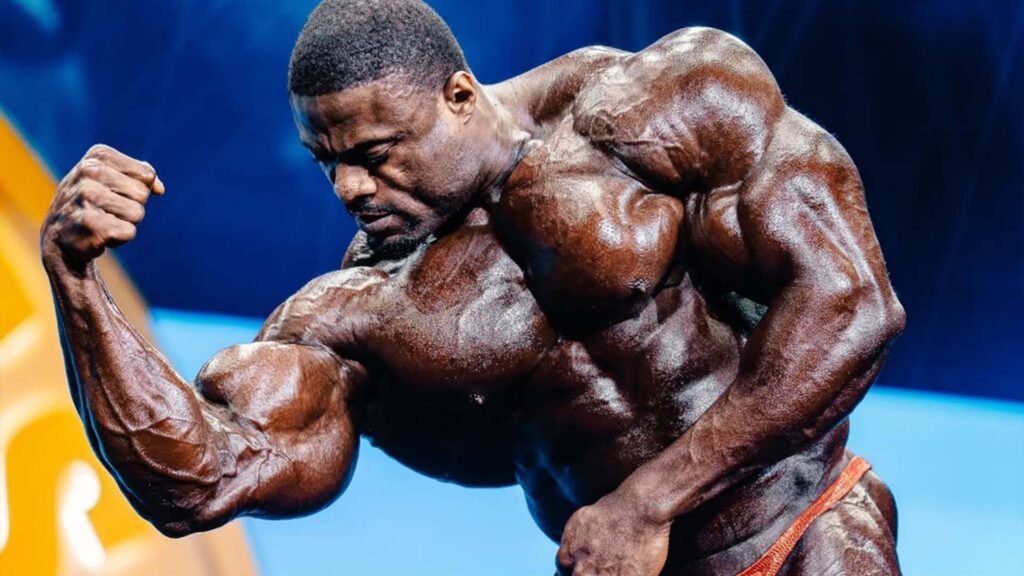
Compared to other sports, bodybuilding still sits in a niche category. It doesn’t get the same mainstream coverage as football or basketball.
However, the rise of fitness culture as a whole has actually expanded interest in bodybuilding principles, including:
- Weight training
- Nutrition
- Physique development
Even if fewer people compete, more people than ever are lifting weights and pursuing better physiques—which is, at its core, what bodybuilding represents.
The Real Answer: Bodybuilding Is Evolving
So, is bodybuilding dying in 2026?
No—it’s transforming.
The sport has shifted from:
- Magazines → Digital media
- Stage-only exposure → Social media influence
- Mass appeal → Niche dominance with global reach
Yes, the traditional pathways have changed. But in many ways, bodybuilding is more accessible, more profitable, and more widespread than ever before.
Final Thoughts
Bodybuilding isn’t disappearing—it’s adapting to a new era.
Competitions are growing, prize money is increasing, and global participation is rising. At the same time, fitness influencers are reshaping how audiences engage with the sport, creating new opportunities outside the stage. While the days of flipping through FLEX Magazine may be over, the passion for building the ultimate physique is still alive—and stronger than ever.
For more insights into the evolving world of bodybuilding, stay connected with Generation Iron and keep up with where the sport is headed next.
Let us know what you think in the comments below. Also, be sure to follow Generation Iron on Facebook, Twitter, and Instagram.