Separating Hype From Reality
Turkesterone became one of the most talked-about supplements in the fitness industry in recent years. Promoted by influencers, bodybuilders, and supplement companies as a potential testosterone boosting, natural muscle-building alternative to anabolic steroids, Turkesterone quickly gained a reputation as a game-changing performance enhancer.
But does Turkesterone actually work?
While some users claim impressive gains in muscle size, strength, and recovery, the scientific evidence remains limited. Before spending your money on this trendy supplement, our team at Generation Iron is going to take a closer look at what Turkesterone is, how it works, and whether the research supports the hype.
What Is Turkesterone?

Image courtesy of Time Health
Turkesterone is a naturally occurring compound classified as an ecdysteroid. Ecdysteroids are hormones found in insects and certain plants that help regulate growth and development.
Turkesterone is most commonly extracted from the plant Ajuga turkestanica, which grows primarily in Central Asia. Unlike anabolic steroids, Turkesterone does not directly affect androgen receptors and is not considered a hormone replacement compound.
Because of this distinction, supplement companies often market Turkesterone as a “natural anabolic” that may help improve muscle growth without many of the side effects associated with anabolic steroids.
Why Did Turkesterone Become So Popular?
The supplement exploded in popularity after several prominent fitness influencers began discussing its potential benefits. Claims surrounding Turkesterone included:
- Increased muscle growth
- Faster recovery
- Enhanced strength gains
- Improved workout performance
- Better protein synthesis
- No impact on testosterone levels
- No need for post-cycle therapy
For lifters looking to maximize gains while avoiding anabolic steroids, these claims were understandably appealing.
The problem is that marketing often moved much faster than the available science.
How Is Turkesterone Supposed to Work?
Researchers believe Turkesterone may influence protein synthesis within muscle cells. Protein synthesis is the process by which the body builds new muscle tissue. Increased rates of protein synthesis are associated with muscle growth and recovery following resistance training.
Some laboratory studies suggest ecdysteroids may activate pathways involved in muscle development, particularly the PI3K/Akt signaling pathway, which plays a role in muscle protein synthesis.
In theory, this could help athletes build muscle more efficiently when combined with proper training and nutrition.
However, theory and real-world results are not always the same thing.
What Does the Research Say?
When evaluating any supplement, human clinical research is what matters most. Unfortunately, this is where Turkesterone begins to lose momentum.
While there is some research on ecdysteroids as a category, there are very few high-quality human studies specifically examining Turkesterone supplementation.
Some studies involving other ecdysteroids have shown potential benefits for lean muscle mass and performance. These findings generated excitement about Turkesterone’s potential.
However, many of these studies have limitations:
- Small sample sizes
- Short study durations
- Different ecdysteroid compounds
- Lack of replication
- Limited long-term safety data
As of now, there is insufficient evidence to conclusively state that Turkesterone significantly increases muscle mass or strength in trained athletes.
What Do Users Report?

Anecdotally, Turkesterone reviews are mixed.
Some users report:
- Improved workout recovery
- Better pumps
- Slight increases in strength
- Enhanced training endurance
Others report:
- No noticeable effects
- Minimal changes in body composition
- Results similar to placebo
This wide variation makes it difficult to determine whether Turkesterone is producing meaningful physiological effects or whether expectations and training improvements are driving perceived benefits.
Is Turkesterone Better Than Creatine?
This is one of the most common questions among lifters, and the answer is no.
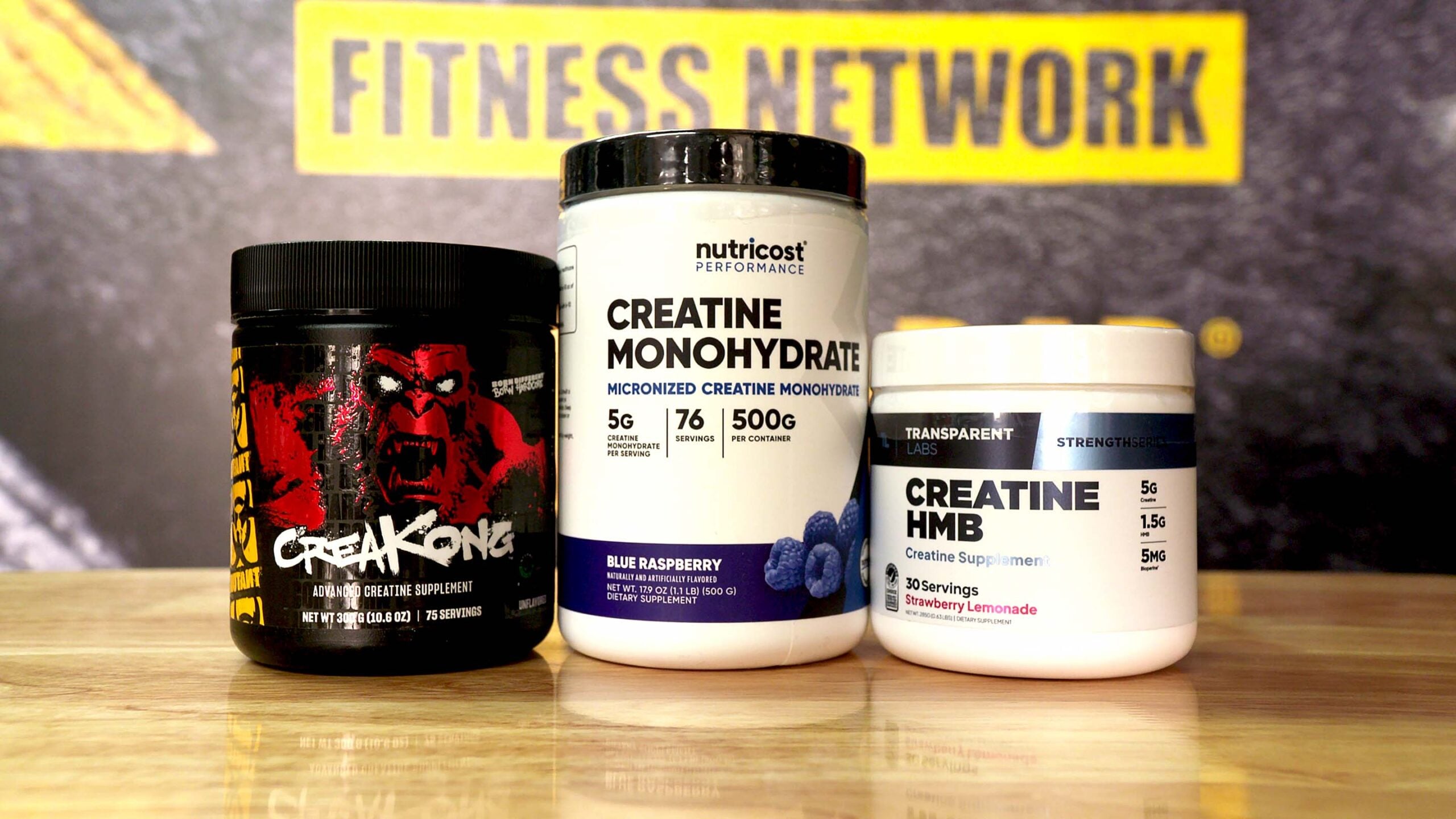
Creatine remains one of the most researched sports supplements in history. Decades of evidence support its ability to increase strength, power output, lean mass, and training performance.
Turkesterone simply does not have the same level of scientific support.
If your supplement budget is limited, creatine monohydrate should be prioritized long before Turkesterone.
Other evidence-backed supplements include:
- Whey protein
- Creatine monohydrate
- Caffeine
- Beta-alanine
- Citrulline malate
These supplements consistently outperform Turkesterone in terms of research support.
Does Turkesterone Increase Testosterone?
One of the biggest misconceptions surrounding Turkesterone is that it boosts testosterone.
Current evidence does not support this claim.
Turkesterone appears to work through mechanisms unrelated to testosterone production. Most available data suggest it does not significantly alter testosterone, estrogen, or other major hormone levels.
This may be viewed as an advantage for individuals who want to avoid hormonal manipulation.
However, it also means Turkesterone is unlikely to provide the dramatic muscle-building effects associated with anabolic steroids or testosterone replacement therapy.
Is Turkesterone Safe?
Based on available research, Turkesterone appears to have a relatively favorable safety profile.
Reported side effects are generally mild and may include:
- Digestive discomfort
- Mild stomach upset
- Headaches
- Nausea
That said, long-term human research remains limited.
Many supplements containing Turkesterone also vary significantly in quality, purity, and dosage. Because the supplement industry is not tightly regulated, some products may contain less Turkesterone than advertised.
Choosing reputable manufacturers that utilize third-party testing is essential.
Who Might Benefit From Turkesterone?
Turkesterone may be worth considering for:
- Natural bodybuilders
- Fitness enthusiasts seeking legal supplements
- Lifters looking to optimize recovery
- Athletes interested in trying emerging performance ingredients
However, expectations should remain realistic.
Turkesterone is unlikely to transform your physique or produce steroid-like results.
The fundamentals still matter most:
- Progressive overload
- Adequate protein intake
- Quality sleep
- Consistent training
- Proper recovery
No supplement can replace these pillars of muscle growth.
The Verdict: Is Turkesterone Effective?
Turkesterone sits in an interesting category of supplements. The biological mechanisms are intriguing, the anecdotal reports are promising, and preliminary research suggests potential benefits.
However, the current body of evidence is simply not strong enough to declare Turkesterone a proven muscle-building supplement.
Could Turkesterone offer modest improvements in recovery and performance for some users? Possibly. Has it been shown to dramatically increase muscle mass or strength in well-controlled human studies? Not yet.
For most athletes, proven supplements such as creatine, protein powder, and caffeine should remain the foundation of a supplementation strategy.
Turkesterone may be worth experimenting with if you have realistic expectations and understand that the science is still catching up to the hype. Until more high-quality human research becomes available, Turkesterone should be viewed as a promising but unproven supplement rather than the revolutionary muscle builder many marketing campaigns have claimed it to be.
Let us know what you think in the comments below. Also, be sure to follow Generation Iron on Facebook, Twitter, and Instagram.
References
Kerksick CM, et al. ISSN Exercise & Sport Nutrition Review: Research & Recommendations. Journal of the International Society of Sports Nutrition. The review notes that while ecdysteroids have shown potential benefits in animal studies, it remains too early to conclude they are safe and effective ergogenic aids for athletes.
Todorova V, Ivanova S, Chakarov D, Kraev K, Ivanov K. Ecdysterone and Turkesterone—Compounds with Prominent Potential in Sport and Healthy Nutrition. Nutrients. 2024;16(9):1382. This comprehensive review discusses the current evidence surrounding ecdysterone and turkesterone, including their potential effects on athletic performance and overall health.
Ivanov K, et al. Ecdysterone and Turkesterone—Compounds with Prominent Potential in Sport and Healthy Nutrition. Available through the U.S. National Library of Medicine’s PMC database. The review highlights promising mechanisms but emphasizes the lack of robust human clinical trials specifically examining turkesterone supplementation.