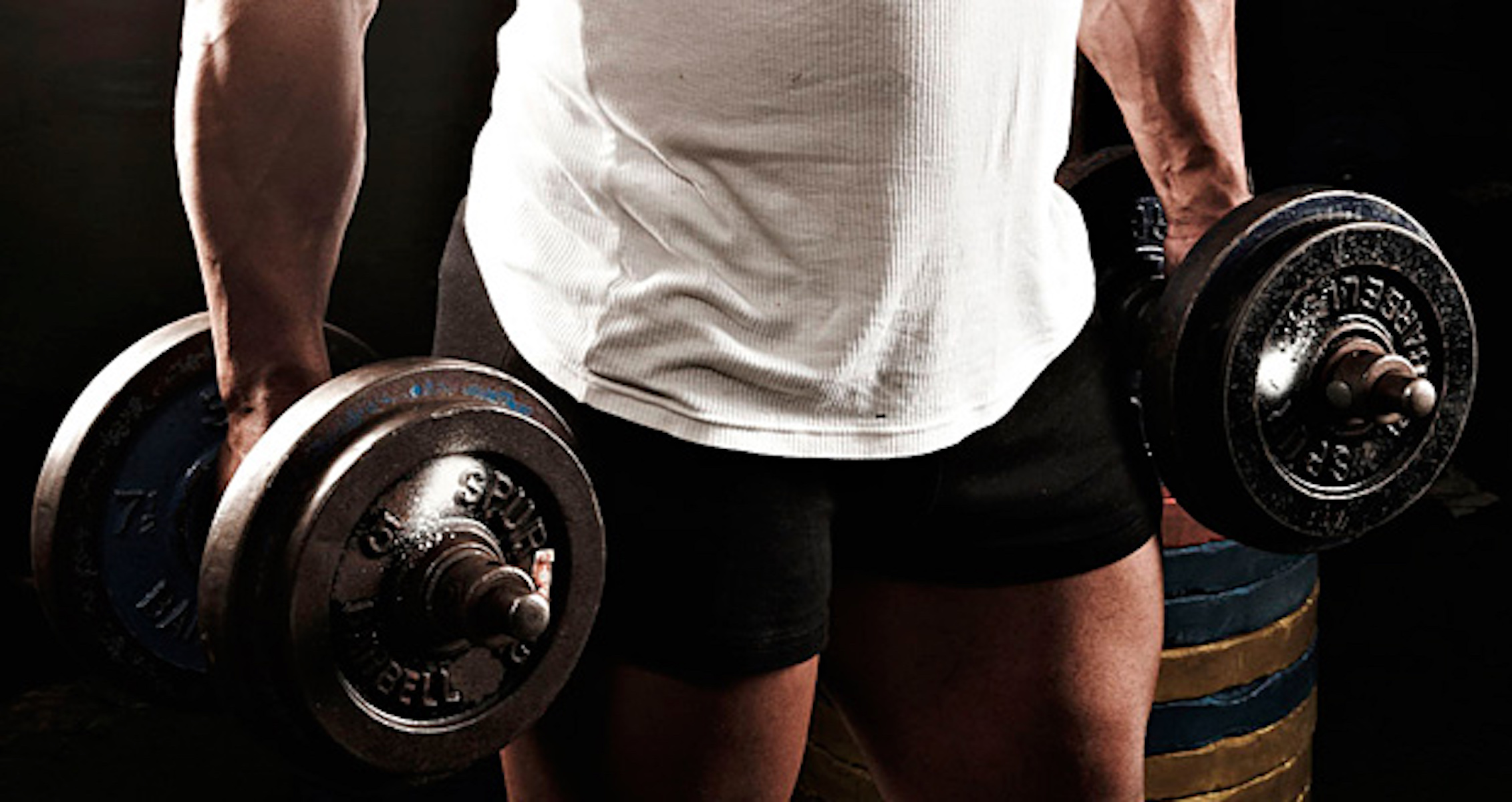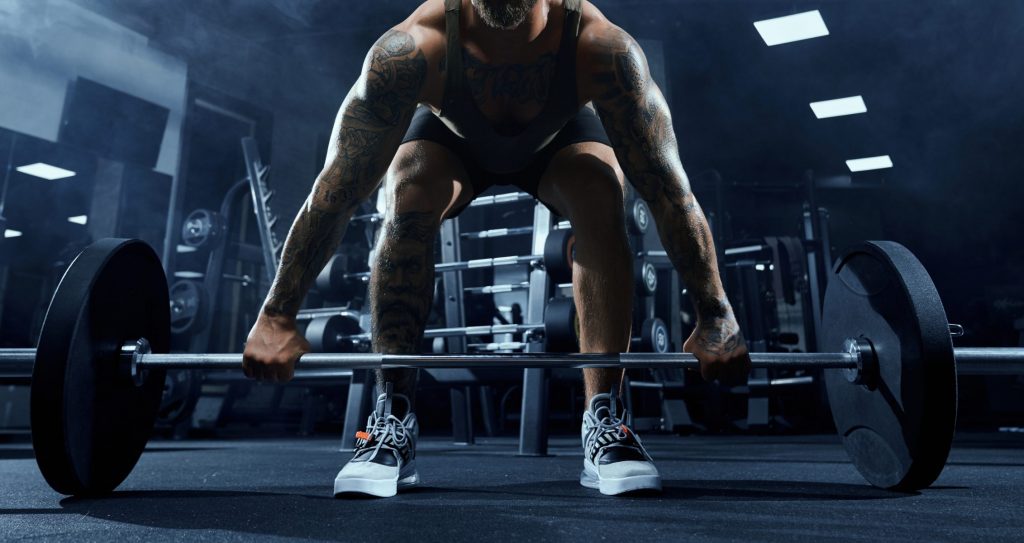
The suitcase deadlift challenges your stability and improves functional strength.
Deadlifts are a powerhouse exercise for building muscle and strength. While the conventional and sumo deadlifts often steal the spotlight, have you heard of the suitcase deadlift? This variation targets similar muscle groups but adds a unique challenge to your routine.
In this article, we’ll break down everything you need to know about the suitcase deadlift, including its key benefits, the muscles it engages, and a detailed step-by-step guide to mastering proper form. Plus, we’ve included a few other deadlift variations to help you diversify your workouts and elevate your training.
Overview — What Is the Suitcase Deadlift?
The suitcase deadlift applies the real lift concept of picking a suitcase from the floor using one hand. But instead of a suitcase, it’s any free weight, such as a dumbbell, kettlebell, or resistance band.
Compared to the conventional deadlift, this one challenges your stability more. We don’t advise using a barbell for this routine because it can be frustrating to perform. The challenge of the bar tilting towards one direction or getting the right-hand placement can be difficult.
Suitcase Deadlift — Muscles Worked
The suitcase deadlift applies similar mechanics to the traditional deadlift. They are compound movements that work both the upper and lower body muscles. Here are the muscles it works:
- Hamstrings: You can find the hamstrings at the back of your thigh, and they help with hip extension and knee flexion during the suitcase deadlift.
- Quadriceps: You can see the quadriceps muscles in front of the thigh. These muscles help extend your knee joints.
- Glutes: The function of the glutes during the suitcase deadlift is to help with the extension of the hip joint.
- Core: The core is one of the major muscles that is key during this routine. It serves as a base for supporting the erector spinae, thereby preventing injury. Some of the core muscles include the abs and obliques.
- Erector Spinae: The erector spinae are some of the collective muscles that run along your spine. They help keep the spine rigid and prevent injury during weightlifting.
- Traps: You can find the traps in your back, and the suitcase deadlift activates them to aid with shoulder retraction and elevation.
- Lats: The latissimus dorsi, commonly referred to as the lat muscle, is located on the back and helps with shoulder adduction and shoulder extension during this deadlift variation.
- Forearms: The forearms reinforce your grip strength during this exercise. The stronger your grip, the more effective your exercise.
How to Do the Suitcase Deadlift
The suitcase deadlift is a highly advanced functional movement. Therefore, paying attention to details is crucial to prevent injuries and maximize the benefits of your workout. You can start with light weights to do specific warm-ups for this exercise. This helps get the blood flowing and improve your technique for this exercise before adding your ideal weight (1).
Here is a detailed guide on how to do the suitcase deadlift using a dumbbell:
- Place the dumbbell on the floor and set your feet at hip-width distance, just next to the dumbbell.
- Keep your back straight and push your chest out while slightly bending your knees to initiate your movement.
- Next, hinge your hips, lean forward, and grab the dumbbell using a neutral, overhand grip.
- Keep your chest up, back straight, and engage your core muscles.
- Now, drive your feet into the floor and slowly lift the weight with your hips and upper body until you reach lockout.
- Repeat this movement for a prescribed number of reps, then take the weight to the other side.
Benefits
Suitcase deadlifts are compound movements that are very beneficial to add to your exercise arsenal. Here are some benefits of doing the workout.
Great Full-Body Workout
When performing the suitcase deadlift, it works all muscle groups, leaving no muscle behind. So, whether it’s the upper or lower body muscles, you’re sure to get maximum benefits and significant muscle and strength gains.
Build Muscle Mass
The suitcase deadlift not only improves your functional movements but also builds and strengthens muscles in both your upper and lower body. Performing this exercise works your back muscles, forearms, grip strength, core, and lower body muscles.
Activates the Core
Your core muscles are crucial for maintaining good posture and preventing injuries during exercise. The instability of the suitcase deadlift engages these muscles.
Addresses Lower Back Pain
Regularly doing suitcase deadlifts can help alleviate lower back pain. It serves as an excellent form of rehab for injuries sustained in the lower back (2). Strengthening your lower back can also enhance functional movements.
Unilateral Exercise
Unlike the traditional deadlift, the suitcase deadlift uses a unilateral approach. This helps address any muscle and strength imbalances. For explosive growth and strength gains, this routine allows you to focus and build a better mind-muscle connection because of training each side of your body.
Excellent Deadlift Alternative
The suitcase deadlift is an excellent way to add variety to your deadlift routine. Training with one particular deadlift variation can sometimes get monotonous and probably lead to a training plateau or less effective workouts.
Alternative Exercises You Can Try
Below are other forms of deadlifts for a more well-rounded training approach and variety.
Sumo Deadlifts
The sumo deadlift is a great variation of the deadlift for athletes with longer torsos, as it is more effective for training the quadriceps and inner thighs overall. This is an area many routines find difficult to reach effectively for those with this body structure. However, all athletes can utilize sumo deadlifts to target the quadriceps and inner thighs while engaging the hamstrings and glutes.
Rack Pulls
Rack pulls are a deadlift variation that works similar muscles to the regular deadlifts, but with a reduced range of motion. If you want to add more weight to your deadlifts and improve your lockout strength, consider incorporating the rack pull into your routine.
Romanian Deadlifts
If you’re looking for a deadlift variation that can work your posterior chain, then you should perform the Romanian deadlift. Although it works similar muscles to the suitcase deadlift, the major difference is that the Romanian deadlift uses a barbell and focuses special attention on those lower-body muscles.
FAQs
Are suitcase deadlifts effective?
Yes, suitcase deadlifts are an effective compound exercise that targets both your upper and lower body muscles. They are a slightly more advanced variation of the traditional deadlifts and an excellent alternative to include in your workouts.
What is the difference between deadlift and suitcase deadlift?
The suitcase deadlift is a variation of the deadlift. While the primary equipment used for the deadlift is the barbell, the suitcase deadlift can utilize weights such as kettlebells and dumbbells. Using barbells for suitcase deadlifts can be frustrating and challenging due to the bar’s tendency to tilt at the ends.
What muscles do suitcase deadlifts target?
The suitcase deadlift works similar muscles to the traditional deadlift. These muscles include the upper and lower back, glutes, core muscles, hamstrings, quadriceps (quads), and forearms.
Follow Generation Iron on Instagram, Facebook, and Twitter for more exercise guides!
References
- Abad, C. C., Prado, M. L., Ugrinowitsch, C., Tricoli, V., & Barroso, R. (2011). Combination of general and specific warm-ups improves leg-press one repetition maximum compared with specific warm-up in trained individuals. Journal of strength and conditioning research, 25(8), 2242–2245. https://doi.org/10.1519/JSC.0b013e3181e8611b
- Fischer, S. C., Calley, D. Q., & Hollman, J. H. (2021). Effect of an Exercise Program That Includes Deadlifts on Low Back Pain. Journal of sport rehabilitation, 30(4), 672–675. https://doi.org/10.1123/jsr.2020-0324