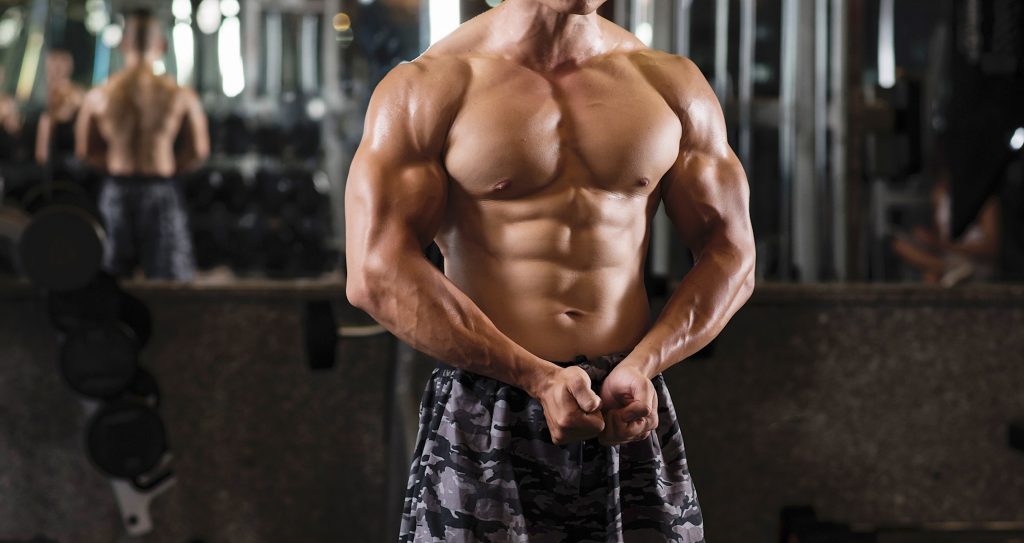
Dominate the stage with the mandatory poses
If you want to step on a bodybuilding stage and have a shot at winning it, whether that is a local show or the Mr. Olympia, it’s not enough to simply build muscle and look big — you need to know how to present it. Posing is where all the hard work in the gym and kitchen comes together. It’s how judges assess your physique and compare you to the competition. Whether you’re competing in Classic Physique, men’s physique, or women’s divisions, mastering the mandatory bodybuilding poses is essential for success.
In this guide, our team at Generation Iron is going to break down the key poses judges look for, what they’re evaluating in each one, and how to perform them to showcase your physique at its best.
Why Mandatory Poses Matter
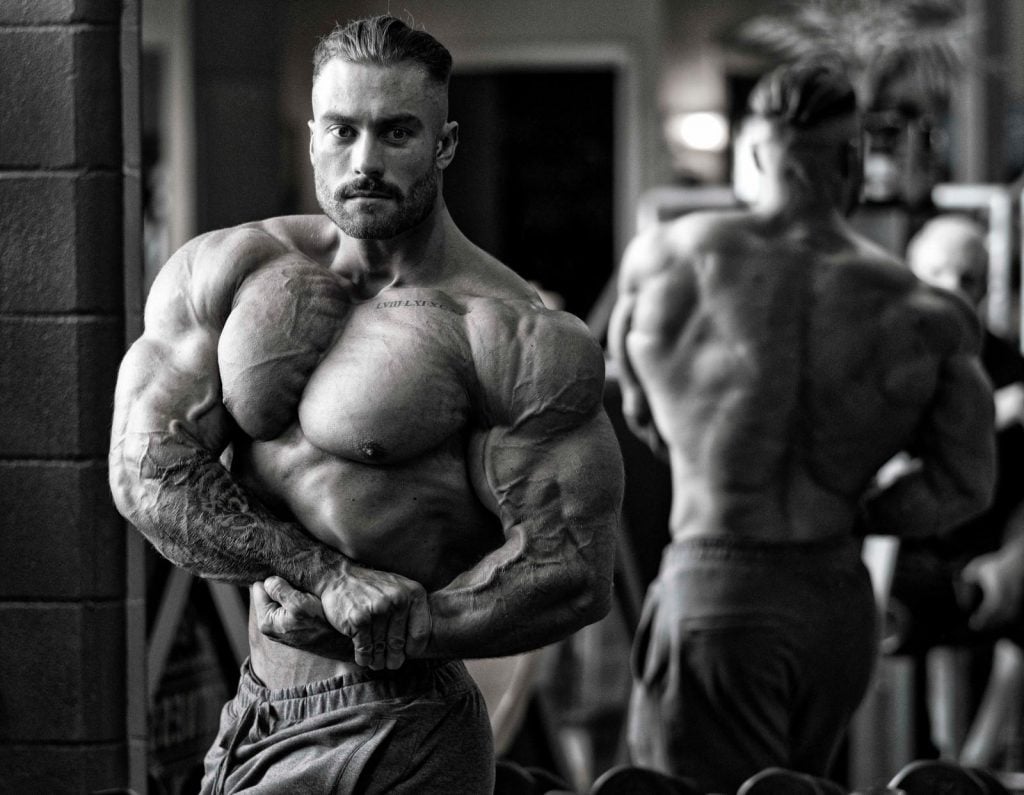
Mandatory poses are standardized positions that allow judges to objectively compare competitors’ muscle size, symmetry, proportion, conditioning, and stage presence. Even the most impressive physique can be overlooked if it’s not displayed properly.
These poses highlight all major muscle groups from multiple angles and show how well your body flows together. Mastering them is the difference between blending into the lineup and commanding the judges’ attention.
The 8 Mandatory Bodybuilding Poses
1. Front Double Biceps – Upper Body Dominance from the Front
What judges look for:
- Balanced arm development
- Wide, capped shoulders and narrow waist (V-taper)
- Abdominal definition and overall symmetry
How to perform it:
Stand tall with feet shoulder-width apart. Raise both arms and flex your biceps at shoulder height, making sure to keep your elbows slightly forward to enhance peak appearance. Engage your core and flare your lats to create a dramatic V-taper.
Pro tip: Don’t neglect your legs — keep them flexed to show quad detail and balance your upper and lower body presentation.
2. Front Lat Spread – Showcasing Width and Shape
What judges look for:
- Overall width and shoulder-to-waist ratio
- Fullness and symmetry of the lats
- Balanced lower body presentation
How to perform it:
From a front stance, place your fists on your waist or against your obliques. Expand your chest and spread your lats outward while keeping your waist tight. The goal is to appear as wide and powerful as possible without losing control of your midsection.
Pro tip: Focus on posture — stand tall with your chest lifted and abs braced to emphasize that classic V-taper.
3. Side Chest – Thickness and Density from the Side
What judges look for:
- Chest thickness and fullness
- Arm and shoulder development
- Hamstring and glute detail
How to perform it:
Stand sideways to the judges, bend the leg closest to them, and plant your foot firmly. Bring your hands together across your torso and contract your chest hard. At the same time, flex your arm and squeeze your bicep and tricep together for maximum density.
Pro tip: Don’t forget your legs — press your hamstrings and glutes tightly to show lower body separation and conditioning.
4. Back Double Biceps – The Ultimate Test of Back Development
What judges look for:
- Lat width and thickness
- Balanced arm development
- Hamstring, glute, and calf detail
How to perform it:
Turn around and raise both arms into a bicep pose. As you flex, spread your lats wide and keep your elbows slightly forward to enhance your silhouette. Contract your glutes, hamstrings, and calves to show lower body conditioning.
Pro tip: Posture is key — keep your chest lifted and shoulders back to display the full depth of your back muscles.
5. Back Lat Spread – Width, Shape, and Rear Detail
What judges look for:
- Width and structure of the back
- Taper from shoulders to waist
- Lower body conditioning
How to perform it:
With your back to the judges, place your hands on your waist or obliques and flare your lats outward. Keep your midsection tight and knees slightly bent to stabilize. Squeeze your glutes and hamstrings to highlight definition and balance.
Pro tip: Control your breathing — expanding your ribcage and maintaining tension will make your back appear larger and more impressive.
6. Side Triceps – Arm and Core Definition
What judges look for:
- Triceps size and separation
- Shoulder, chest, and oblique detail
- Overall symmetry from the side
How to perform it:
Stand sideways with the leg closest to the judges bent and flexed. Lock one arm behind your back and grab the wrist with your opposite hand, then extend and flex the triceps. Rotate slightly toward the judges to highlight your obliques and chest.
Pro tip: Exhale and tighten your core — a visible, defined midsection elevates this pose from good to great.
7. Abdominals and Thigh – Midsection Mastery
What judges look for:
- Abdominal definition and symmetry
- Quad separation and sweep
- Overall conditioning and vascularity
How to perform it:
Face the judges and place your hands behind your head. Exhale fully as you flex your abs and tighten your midsection. Extend one leg forward and flex your quadriceps to display detail and separation.
Pro tip: A deep exhale not only tightens your core but also enhances the appearance of your abdominal muscles.
8. Most Muscular – Maximum Mass and Density
What judges look for:
- Overall muscle size and density
- Conditioning and vascularity
- Stage presence and intensity
How to perform it:
There are several variations, but the most common is the “crab” pose. Bring your arms in front of your body and flex everything — chest, arms, shoulders, traps, and legs. The goal is to display total muscularity and stage presence.
Pro tip: Confidence sells this pose. Hit it with intensity and control, and let your conditioning speak for itself.
Mastering the Art of Posing

Nailing these eight poses requires more than just strength — it takes practice, precision, and presentation. Here’s how to improve:
- Pose daily: Treat posing like a workout. Spend at least 10–15 minutes a day refining transitions and hitting poses.
- Record yourself: Watching footage helps you catch mistakes and improve angles.
- Work with a coach: A posing coach can help you fine-tune details that make a big difference on stage.
- Focus on transitions: Judges notice how smoothly you move between poses — make it seamless.
Final Thoughts
Mandatory bodybuilding poses are the foundation of competitive success. They’re how judges measure muscle, balance, proportion, and presentation — and how you show the results of your hard work. Mastering the front double biceps, lat spreads, side chest, back poses, side triceps, abdominals and thigh, and most muscular will help you present your physique with confidence and stand out under the stage lights.
If you’re preparing for your first competition or aiming to improve your stage performance, start posing early and treat it with the same seriousness as your training and nutrition. On competition day, it’s not just about the muscle you built — it’s about how you display it.
For more news and updates, follow Generation Iron on Facebook, Twitter, and Instagram.