How to Eat for Maximum Muscle Growth
Bodybuilders are constantly testing their bodies to find the perfect balance of diet, training, and rest in order to become bigger, stronger, and more muscular. Building an impressive physique takes more than just lifting heavy weights. Nutrition plays a critical role in providing the energy, nutrients, and building blocks needed to support muscle growth and recovery.
While there is no single diet that works perfectly for everyone, establishing a solid nutritional foundation can help eliminate much of the trial and error involved in building muscle. From calculating your calorie intake to prioritizing protein, carbohydrates, and healthy fats, having a structured approach to eating can make it easier to consistently move toward your physique goals.
Our team at Generation Iron is breaking it down.
How Many Calories Do You Need to Build Muscle?

One of the most important aspects of a muscle-building diet is consuming enough calories to support growth. If you’re consistently eating fewer calories than your body needs, gaining muscle becomes more difficult.
For individuals looking to build muscle, a modest calorie surplus is generally a good starting point. Rather than dramatically increasing food intake, aim to consume slightly more calories than you burn throughout the day.
This allows you to provide your body with additional energy for training, recovery, and muscle-building processes without unnecessarily increasing fat gain.
Your calorie needs will depend on several factors, including:
- Body weight
- Height
- Age
- Activity level
- Training frequency and intensity
- Metabolism
- Daily movement outside the gym
Tracking your body weight and adjusting your calorie intake over time can help you determine whether you’re eating enough to support consistent progress.
Protein: The Foundation of a Muscle Building Diet
Protein is one of the most important nutrients for anyone looking to build muscle. It supplies amino acids that support muscle repair and the development of new muscle tissue following resistance training.
Bodybuilders and strength athletes should prioritize protein throughout the day rather than relying on a single large meal to meet their nutritional needs.
Some of the best protein sources for building muscle include:
- Chicken breast
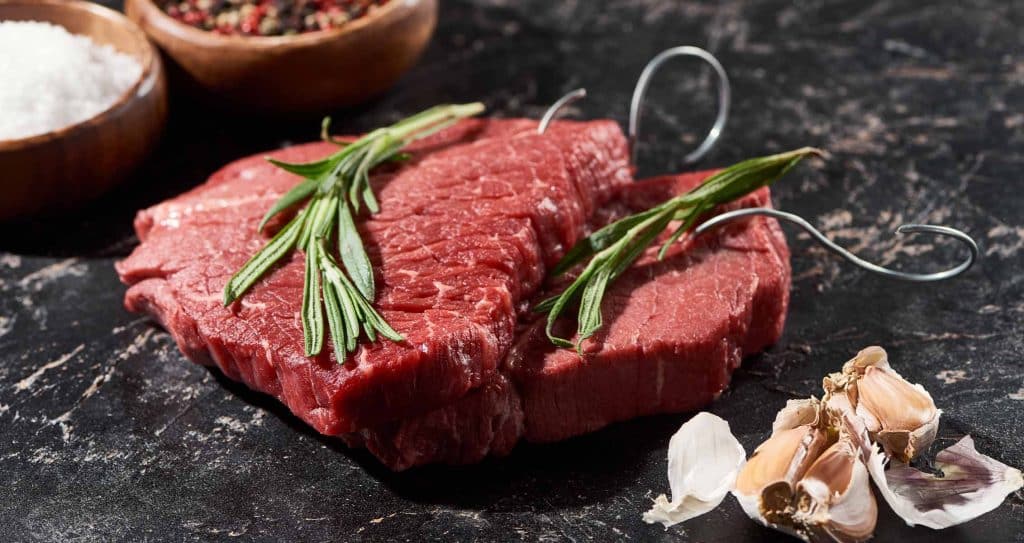
- Lean beef
- Turkey
- Eggs and egg whites
- Fish
- Greek yogurt
- Cottage cheese
- Whey protein
- Other high-quality protein supplements
A practical approach is to include a protein source in every meal. This makes it easier to meet your daily protein target while supporting recovery between workouts.
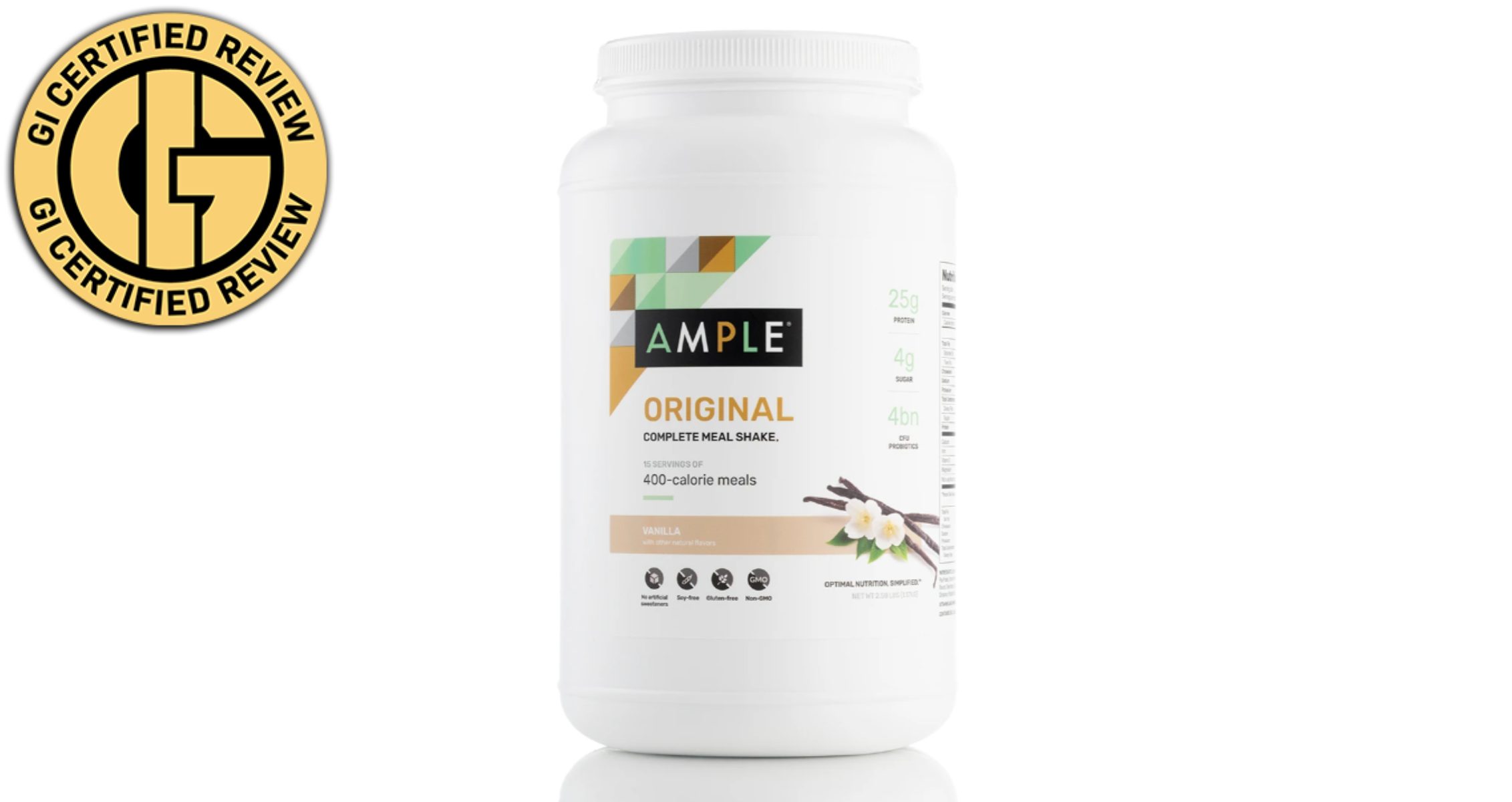
For those who have trouble getting enough protein through whole foods alone, a quality protein supplement can help fill the gap.
MUTANT ISO SURGE: High-Protein, Low-Carb Support
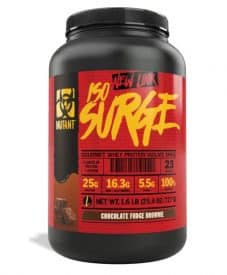
Maximize your gains with a great tasting and effective whey protein isolate, MUTANT ISOSURGE.
When you’re trying to hit your daily protein target without adding excessive carbohydrates or fats, MUTANT ISO SURGE is worth considering.
Featuring 25 grams of protein per scoop, just 1 gram of carbohydrates, and 1 gram of fat, ISO SURGE provides a convenient way to increase your daily protein intake while keeping calories relatively low. Each serving contains 120 calories and utilizes whey protein isolate and whey protein hydrolysate as its primary protein sources.
This makes it an appealing option for bodybuilders who are trying to build muscle while keeping their nutritional intake structured and consistent.
Whether you’re mixing up a shake after training, adding protein between meals, or looking for a convenient option when you’re on the go, ISO SURGE can help make hitting your daily protein goals easier.
With 23 servings per container and a wide variety of flavors, MUTANT ISO SURGE offers a convenient protein option for athletes looking to support their muscle-building nutrition.
Carbohydrates Fuel Your Training

Carbohydrates are an essential part of a muscle-building diet, particularly for bodybuilders performing high-volume resistance training.
Carbs provide energy that helps fuel demanding workouts. Having adequate carbohydrate intake can support training performance, allowing you to maintain intensity, volume, and effort throughout your sessions.
When building muscle, cutting carbohydrates too aggressively can make it harder to perform at your best in the gym.
Some of the best carbohydrate sources for bodybuilding include:
- Rice
- Oatmeal
- Potatoes and sweet potatoes
- Pasta
- Whole-grain bread
- Fruit
- Cereal
- Beans
Carbohydrates can be distributed throughout the day based on your schedule and preferences. Many athletes find that consuming carbohydrates before and after training helps support workout performance and post-training nutrition.
Don’t Neglect Healthy Fats

While protein and carbohydrates often receive the most attention in bodybuilding nutrition, dietary fats are also important.
Healthy fats contribute to overall health, support hormone production, help with the absorption of fat-soluble vitamins, and provide another source of energy.
Good dietary fat sources include:
- Avocados
- Olive oil
- Nuts
- Nut butters
- Whole eggs
- Fatty fish
- Seeds
A muscle-building diet shouldn’t eliminate fats in an attempt to maximize muscle growth. Instead, focus on incorporating appropriate amounts of healthy fats while maintaining the calorie balance needed to support your goals.
Build a Diet You Can Actually Follow
The perfect muscle-building diet isn’t necessarily the one with the most complicated meal plan or the most restrictive food choices. It’s the diet you can consistently follow while meeting your nutritional needs.
Bodybuilders often benefit from establishing a repeatable meal structure that makes food preparation and tracking easier.
For example, a daily meal plan could include:
Breakfast: Eggs, oatmeal, fruit, and Greek yogurt.
Lunch: Chicken breast, rice, and vegetables.
Pre-Workout Meal: Lean protein, potatoes, and fruit.
Post-Workout Meal: Lean beef, rice, and vegetables.
Dinner: Salmon, sweet potatoes, and a salad.
Snack: Cottage cheese, Greek yogurt, or a protein shake.
Your meals don’t need to look exactly like this. The goal is to establish a consistent structure that provides sufficient calories, protein, carbohydrates, fats, and micronutrients.
Meal preparation can also make a significant difference. Having meals ready ahead of time helps eliminate the temptation to skip meals or rely on convenient foods that don’t align with your goals.
Supplements Can Help Fill Nutritional Gaps
Supplements aren’t a replacement for a well-balanced diet, but certain products can make it easier to meet your nutritional goals.
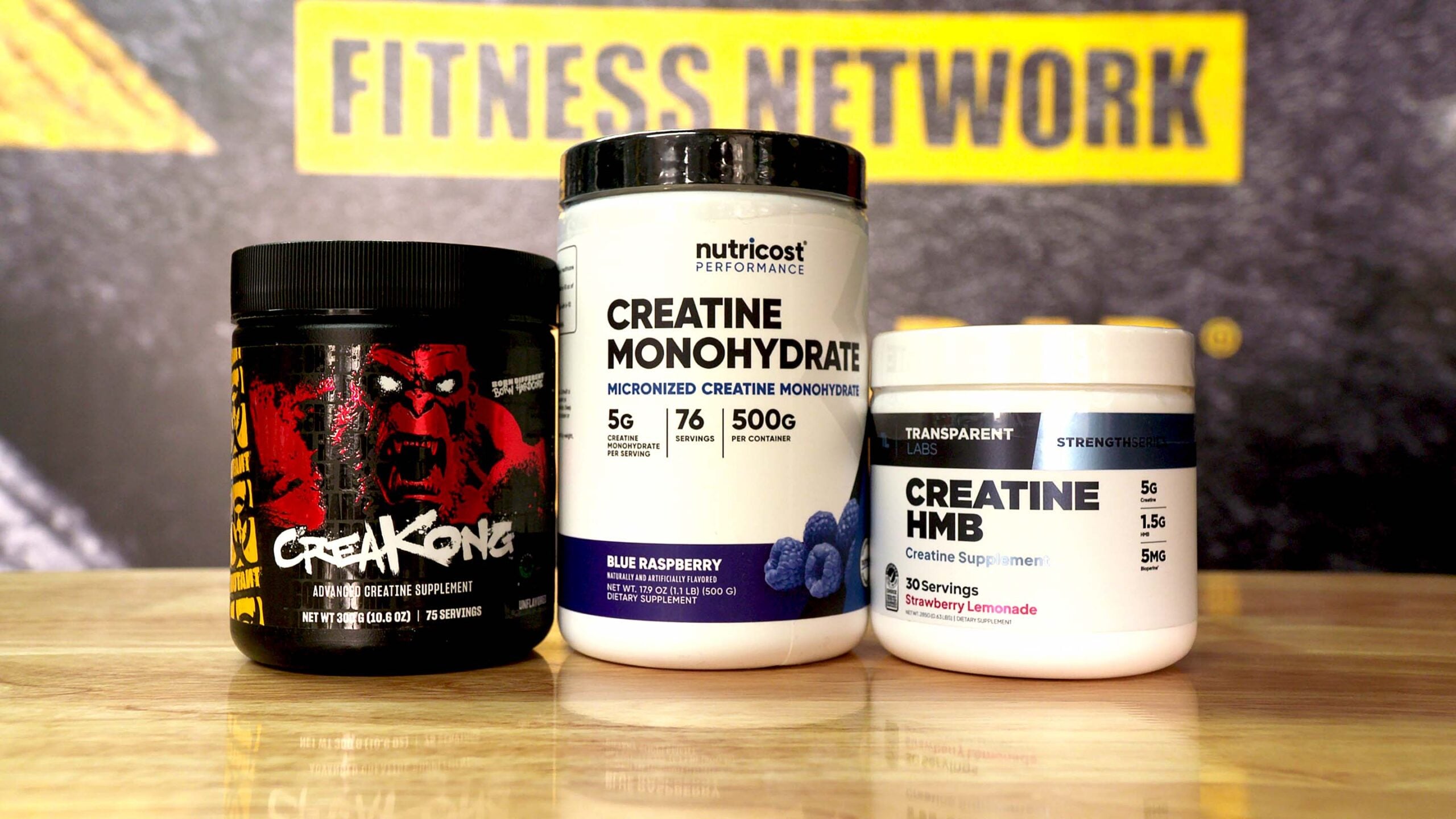
Protein powders can provide a convenient source of protein when preparing a full meal isn’t practical. Creatine is another widely used supplement among strength athletes looking to support training performance and muscle growth.
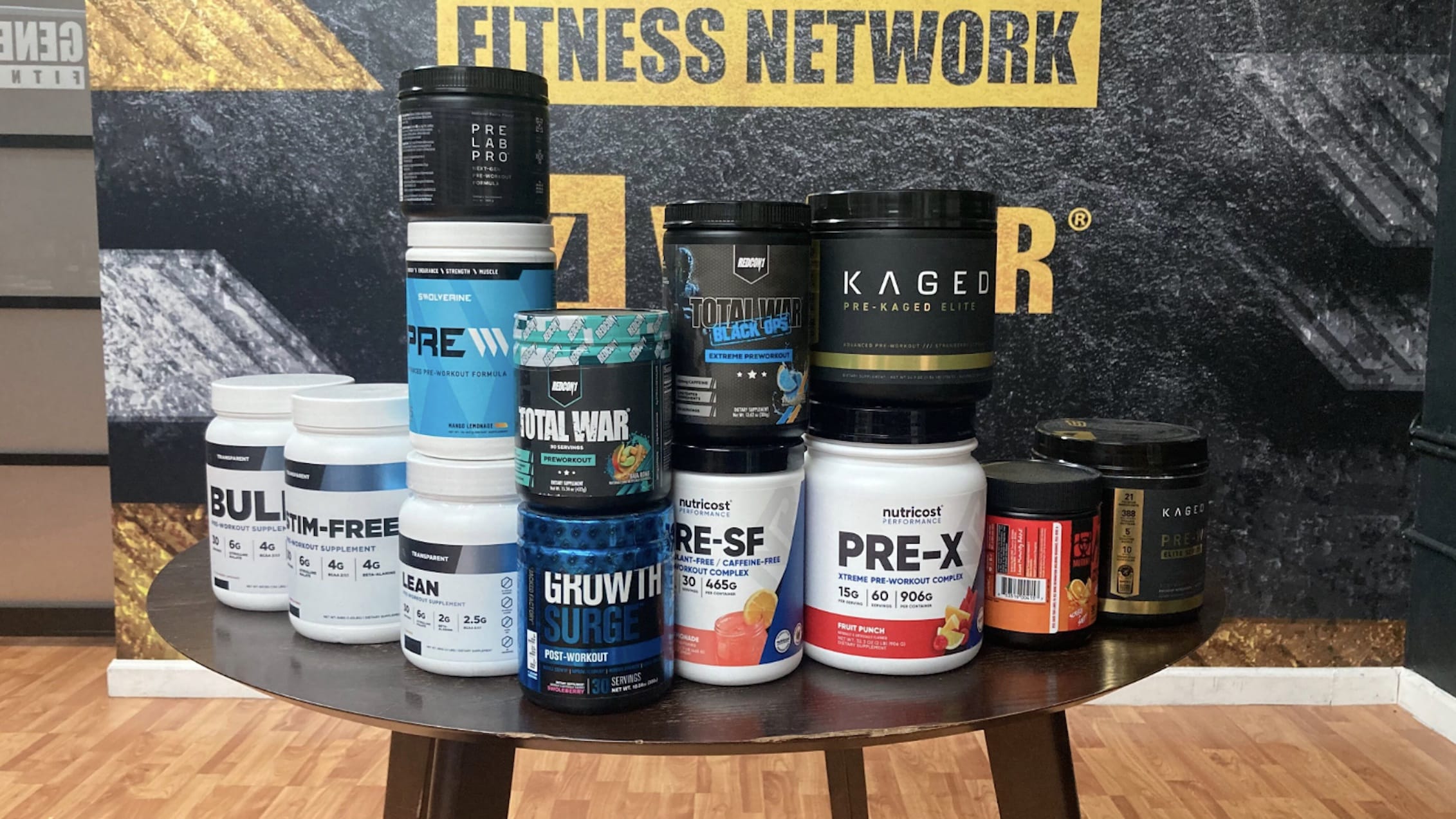
Other supplements may help support specific nutritional needs, depending on your diet, lifestyle, and individual circumstances.
The most important thing is to establish your nutritional foundation first. Supplements should complement a consistent diet and training program rather than serve as a substitute for either.
Adjust Your Diet Based on Your Progress
Even the most carefully planned muscle-building diet may require adjustments over time.
If your body weight isn’t increasing and you’re struggling to make progress in the gym, you may need to increase your calorie intake.
On the other hand, if you’re gaining weight too quickly and accumulating more body fat than desired, reducing your calorie surplus may help you maintain a more controlled approach to muscle growth.
Monitor your progress through:
- Weekly body weight averages
- Strength progression
- Training performance
- Recovery
- Measurements
- Changes in physique
Rather than making dramatic changes every few days, give your diet enough time to produce measurable results before adjusting it.
The Perfect Muscle Building Diet Is Built on Consistency

Building muscle requires patience, dedication, and consistency. Training hard is only one part of the equation. Your body also needs sufficient calories, protein, carbohydrates, fats, and recovery time to support the demands of resistance training.
There is no universally perfect muscle-building diet because every individual has different nutritional needs, preferences, and goals. However, establishing a calorie surplus, prioritizing protein, fueling workouts with carbohydrates, incorporating healthy fats, and consistently monitoring progress can provide a strong foundation for building muscle.
The sooner you establish a nutritional routine that works for your body and lifestyle, the sooner you can stop guessing and start making more consistent progress toward your physique goals.
And when you need a convenient way to hit your protein target, incorporating a quality protein supplement like MUTANT ISO SURGE can help make your muscle-building diet easier to maintain day after day.
Which other bodyweight exercises should be on the list? Let us know in the comments below. Also, follow Generation Iron on Facebook, Twitter, and Instagram!