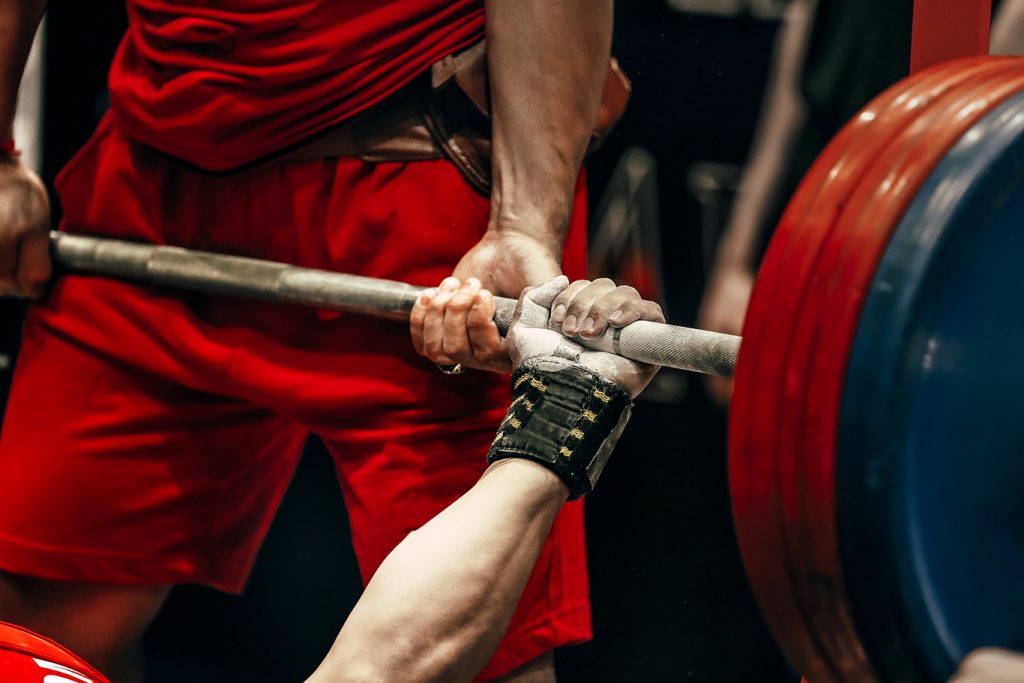
The Complete Guide to Rating of Perceived Exertion for Building Muscle and Strength
If you’ve spent time around powerlifters, bodybuilders, or strength coaches, you’ve probably heard someone say they performed a set at RPE 8 or stopped at RPE 9. But what exactly does that mean?
RPE, or Rate of Perceived Exertion, is a simple yet highly effective method of measuring how difficult a set feels. Rather than prescribing training solely by percentages or fixed repetitions, RPE allows you to adjust your workouts based on your daily readiness, helping you maximize performance while reducing unnecessary fatigue.
Whether your goal is building muscle, increasing strength, or preventing overtraining, understanding RPE can make your workouts more productive. Our team at Generation Iron is going to break it down.
What Does RPE Stand For?

RPE stands for Rate of Perceived Exertion. Originally developed to measure cardiovascular intensity, strength athletes have adapted the concept to estimate how close a set is to muscular failure.
In resistance training, RPE typically uses a scale from 1 to 10, with higher numbers representing greater effort.
The most common interpretation is based on Reps in Reserve (RIR)—how many additional reps you could have completed before failure.
The RPE Scale Explained
Here’s how the scale generally works:
| RPE | Effort Level | Reps Left in Reserve |
|---|---|---|
| 10 | Maximum effort | 0 reps |
| 9.5 | Nearly max | 0-1 reps |
| 9 | Very hard | 1 rep |
| 8.5 | Hard | 1-2 reps |
| 8 | Challenging | 2 reps |
| 7.5 | Moderate-hard | 2-3 reps |
| 7 | Moderate | 3 reps |
| 6 | Easy | 4+ reps |
For example:
- Squat 315 pounds for 8 reps and feel like you could have performed 2 more reps = RPE 8
- Bench press 225 pounds for 5 reps and barely complete the final rep = RPE 10
- Deadlift 405 pounds for 3 reps with one solid rep still left = RPE 9
Why RPE Is Better Than Training by Percentages Alone
Traditional programs often prescribe percentages such as:
- 5 sets of 5 at 80%
- 3 sets of 10 at 70%
While percentages work well, they assume you’re equally recovered every training session.
The reality is that recovery fluctuates based on:
- Sleep quality
- Nutrition
- Stress
- Hydration
- Previous workouts
- Illness
- Daily fatigue
An 80% load might feel effortless one week and brutally heavy the next.
RPE accounts for these variables by allowing you to adjust weight based on how you’re performing that day.
RPE vs. Training to Failure
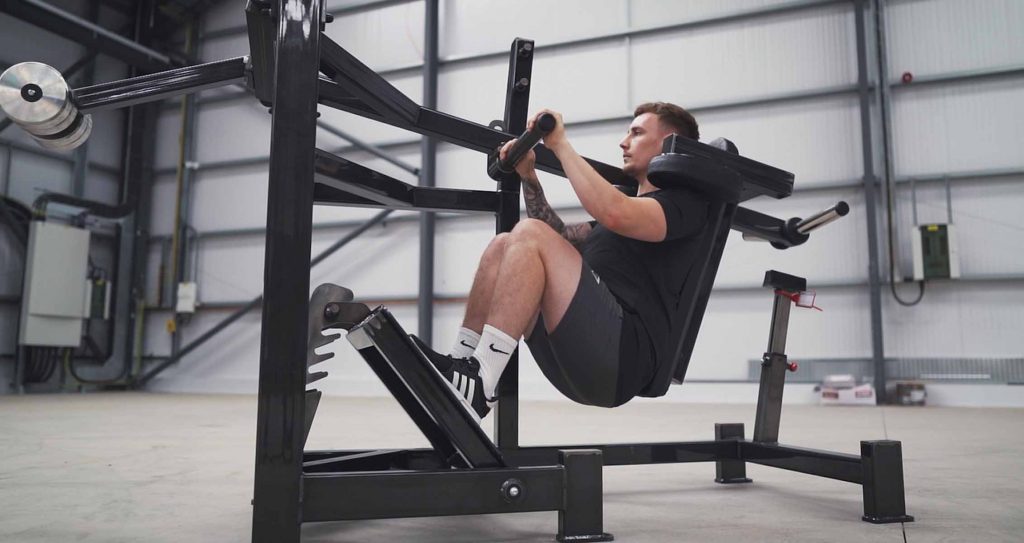
Many lifters believe every set should end in complete muscular failure. While training to failure has its place, research suggests it’s often unnecessary for maximizing muscle growth.
Most hypertrophy experts recommend stopping with 0-3 reps in reserve, which corresponds roughly to:
- RPE 7-10
Training in this range provides nearly identical muscle-building benefits while reducing recovery demands.
For compound lifts like squats and deadlifts, stopping around RPE 8-9 often allows you to maintain better technique and recover faster for future sessions.
Benefits
Improves Recovery
Because you’re not forcing maximal effort every workout, fatigue becomes much easier to manage.
This allows for:
Encourages Progressive Overload
Progressive overload doesn’t always mean adding weight.
With RPE, progression can come from:
- More repetitions
- Better technique
- Faster bar speed
- Lower perceived effort
- More total training volume
This creates multiple avenues for improvement without constantly chasing heavier loads.
Prevents Ego Lifting
One of the biggest mistakes in the gym is using weights that exceed your current ability.
Tracking RPE forces you to be honest with yourself.
If today’s prescribed RPE is 8, but the weight feels like a 10, it’s time to reduce the load rather than sacrifice form.
How Bodybuilders Use RPE

Bodybuilders often train with slightly higher repetitions and prioritize muscle fatigue over absolute strength.
Typical RPE ranges include:
Compound lifts
- RPE 7-9
Machine exercises
- RPE 8-10
Isolation movements
- RPE 8-10
For example:
Barbell Bench Press
- 4 × 8 @ RPE 8
Incline Dumbbell Press
- 3 × 10 @ RPE 9
Cable Flyes
- 3 × 15 @ RPE 10
This structure keeps heavy compound lifts safer while allowing isolation exercises to approach muscular failure.
How Powerlifters Use It
Powerlifters rely heavily on RPE because strength fluctuates from week to week.
A program might prescribe:
Top Single
- 1 rep @ RPE 8
Back-Off Sets
- 4 × 5 @ RPE 7
If the top single feels unusually easy, the athlete adds weight.
If it feels excessively difficult, they reduce the load accordingly.
This flexibility leads to more consistent strength gains over time.
Common Mistakes
Misjudging Effort
Beginners often think they’re training at RPE 10 when they still have several reps left. Experience improves accuracy.
Recording workouts and occasionally testing true failure can help calibrate your estimates.
Ignoring Technique
RPE should reflect muscular effort—not technical breakdown.
If your form deteriorates significantly, the set should end regardless of how many reps remain.
Never Training Hard Enough
Some lifters consistently underestimate effort and stop every set at RPE 6 or 7.
While useful for warm-ups and recovery phases, muscle growth generally requires spending meaningful time around RPE 8-10.
Sample Chest Workout Using RPE
Bench Press
4 × 6 @ RPE 8
Incline Dumbbell Press
3 × 8-10 @ RPE 9
Weighted Dips
3 × 8 @ RPE 8
Cable Flyes
3 × 15 @ RPE 10
Push-Ups
2 sets to technical failure
This approach balances heavy strength work with sufficient hypertrophy-focused volume.
Is RPE Better Than Reps in Reserve?
The two systems are nearly identical and many coaches actually use both simultaneously.
For example:
- RPE 8 = 2 Reps in Reserve
- RPE 9 = 1 Rep in Reserve
- RPE 10 = Failure
If you’re comfortable estimating how many reps remain, transitioning to RPE becomes intuitive.
Who Should Use RPE?
RPE works especially well for:
- Bodybuilders
- Powerlifters
- Strongman athletes
- CrossFit competitors
- Recreational lifters
- Older athletes managing recovery
- Anyone following autoregulated training programs
Even beginners can benefit once they develop enough experience to accurately estimate effort.
Final Thoughts
RPE is one of the most valuable tools available for modern strength training. Instead of relying solely on fixed percentages or chasing personal records every workout, it teaches lifters to adjust training based on real-world performance and recovery.
By aiming for the appropriate RPE, you can build muscle more efficiently, increase strength consistently, and reduce the risk of burnout or injury. Whether you’re preparing for a bodybuilding show, chasing a new one-rep max, or simply trying to make steady progress in the gym, learning to train by RPE can help you get more out of every session.
For more news and updates, follow Generation Iron on Facebook, Twitter, and Instagram.
References
Helms, E. R., et al. (2018). RPE-Based Training for Strength Athletes. Strength and Conditioning Journal.
Zourdos, M. C., et al. (2016). “Novel Resistance Training–Specific Rating of Perceived Exertion Scale Measuring Repetitions in Reserve.” Journal of Strength and Conditioning Research.
Schoenfeld, B. J. (2021). Science and Development of Muscle Hypertrophy (2nd Edition).
Grgic, J., et al. (2022). “Effects of Resistance Training to Failure vs. Non-Failure on Muscle Hypertrophy and Strength.” Sports Medicine.