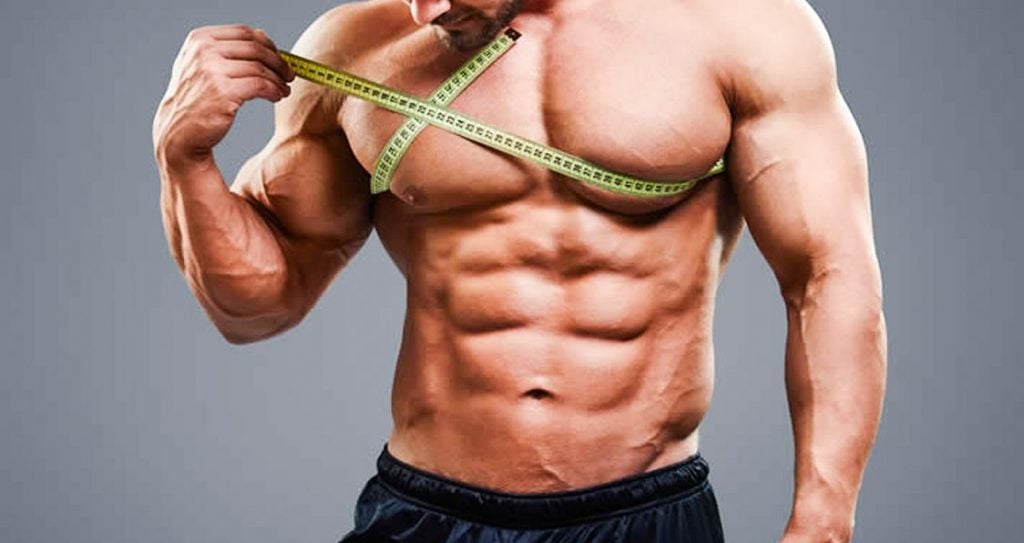
Could it be More Than Just Diet?
For many people, stubborn belly fat is one of the most frustrating obstacles to achieving a lean physique. You can eat well, train consistently, and even lose weight, yet the fat around your midsection refuses to budge.
While poor nutrition, lack of exercise, and stress certainly play a role, another factor is often overlooked: your hormones. In particular, declining testosterone levels can significantly influence where your body stores fat and how easily you lose it.
Understanding the connection between testosterone and abdominal fat can help you address the root cause instead of simply treating the symptoms. Our team at Generation Iron is going to break it down.
Why Belly Fat Is So Stubborn
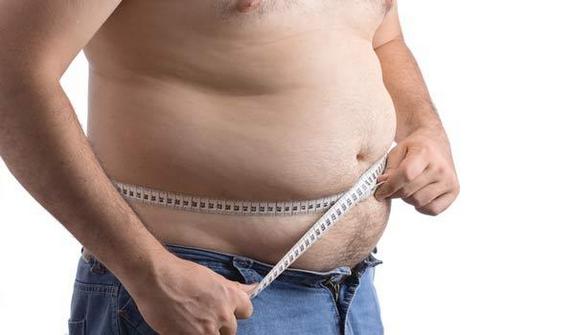
Not all body fat is created equal, meaning it may take more than just a treadmill to get rid of it.
The body stores fat in different locations based on genetics, lifestyle, age, and hormonal balance. Fat around the waist—especially visceral fat that surrounds your internal organs—is often more resistant to weight loss than fat stored elsewhere.
Several factors contribute to excess abdominal fat, including:
- Chronic stress
- Poor sleep quality
- Excess calorie intake
- Sedentary lifestyle
- Aging
- Hormonal imbalances
For men especially, testosterone is one of the most important hormones regulating body composition.
The Role Testosterone Plays in Body Composition

Testosterone is best known for supporting muscle growth and strength, but its effects extend much further.
Healthy testosterone levels help regulate:
- Muscle protein synthesis
- Fat metabolism
- Energy production
- Recovery from exercise
- Insulin sensitivity
- Overall body composition
As testosterone declines, the body becomes less efficient at building and maintaining lean muscle mass. Since muscle burns more calories than fat—even at rest—a reduction in muscle can slow metabolism over time.
At the same time, lower testosterone has been associated with increased fat storage, particularly around the abdomen.
Why Low Testosterone Can Lead to More Belly Fat
There is a two-way relationship between testosterone and body fat.
When testosterone drops, several changes may occur:
Reduced Muscle Mass
Lower testosterone makes it more difficult to build and preserve muscle tissue. Less muscle often means a lower resting metabolic rate, making fat gain easier.
Lower Energy Levels
Many men with declining testosterone experience fatigue and reduced motivation. This often leads to less physical activity and fewer calories burned throughout the day.
Changes in Fat Distribution
Testosterone helps regulate where fat is stored. When levels decline, fat tends to accumulate more readily around the waist.
Increased Visceral Fat
Visceral fat isn’t just a cosmetic concern. It is metabolically active and can contribute to inflammation, insulin resistance, and additional hormonal disruption.
Unfortunately, increased body fat can also contribute to lower testosterone levels, creating a cycle that’s difficult to break.
Signs Your Testosterone May Be Low

While belly fat alone doesn’t necessarily mean your testosterone is low, it can be one piece of the puzzle.
Other common symptoms include:
- Reduced sex drive
- Fatigue
- Loss of muscle mass
- Difficulty gaining strength
- Increased body fat
- Mood changes
- Brain fog
- Slower recovery from workouts
- Decreased athletic performance
If you consistently experience several of these symptoms, it’s worth discussing hormone testing with your healthcare provider.
Lifestyle Habits That Support Healthy Testosterone
Before turning to supplements, it’s important to build a strong foundation.
Some of the best natural ways to support testosterone include:
Prioritize Resistance Training
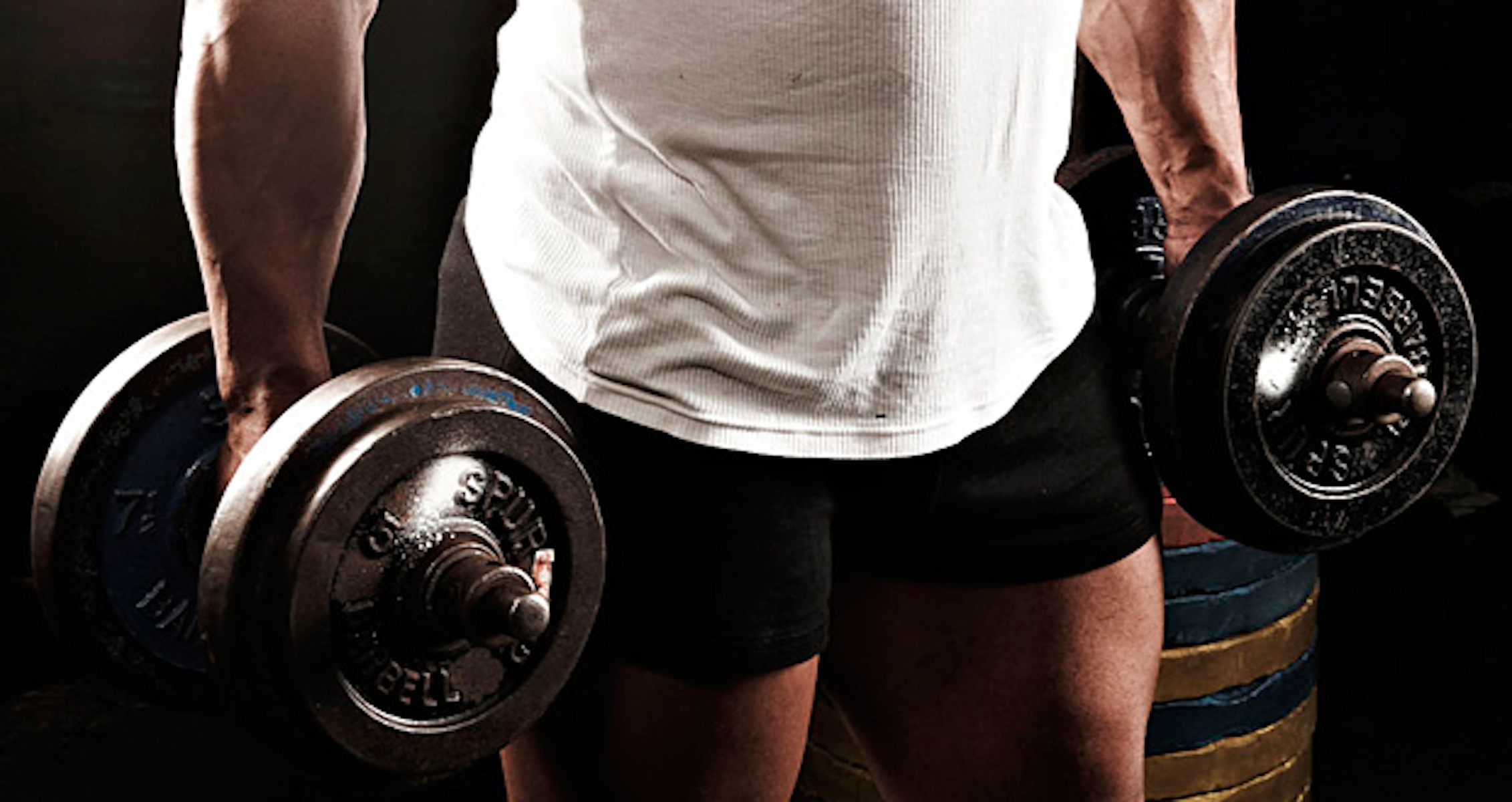
Heavy compound exercises like squats, deadlifts, bench presses, and rows stimulate muscle growth and support healthy hormone production.
Sleep 7-9 Hours
Sleep deprivation is one of the fastest ways to negatively impact testosterone production.
Maintain a Healthy Body Weight
Excess body fat, especially visceral fat, has been linked to lower testosterone levels.
Eat Enough Healthy Fats
Dietary fats are essential for hormone production. Include foods like eggs, avocados, olive oil, nuts, and fatty fish.
Manage Stress
Chronically elevated cortisol can interfere with testosterone production and make fat loss more difficult.
Can Testosterone Boosters Help?
If you’ve already established healthy nutrition, exercise, and sleep habits, a quality testosterone-support supplement may provide additional support.
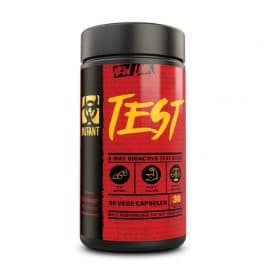
Higher testosterone levels make it easier for you to gain muscle mass, lose fat, feel energetic and have a healthy libido, and as you get older your levels will drop. MUTANT TEST is here to help.
One option worth considering is MUTANT TEST, a comprehensive testosterone support formula designed for active individuals looking to maximize their training results.
Unlike many testosterone boosters that primarily increase total testosterone—which includes forms that aren’t readily available for muscle-building signaling—MUTANT TEST is formulated around Testosurge®, a clinically studied ingredient shown to naturally increase active testosterone levels that your body can actually utilize.
The formula contains concentrated doses of 18 ingredients that work together to support testosterone production, performance, recovery, and overall vitality.
MUTANT TEST Break Down

Price: $39.99 (30 servings)
Pros
- Comprehensive ingredient profile
- Includes clinically studied Testosurge®
- Supports active testosterone levels
- Affordable compared to many competing formulas
Cons
- May feel strong for first-time users or those sensitive to testosterone-support supplements
For individuals who have already optimized their training and nutrition, MUTANT TEST may be a worthwhile addition to help support healthy testosterone levels naturally.
Don’t Ignore the Bigger Picture
It’s important to remember that no supplement can replace proper nutrition, consistent training, quality sleep, and medical evaluation when necessary.
If you’re gaining fat around your waist despite doing everything right—or you’re noticing additional symptoms like fatigue, reduced strength, and declining muscle mass—it may be worth investigating your hormone levels.
Addressing low testosterone early can improve not only body composition but also energy, performance, recovery, and overall quality of life.
Final Thoughts
Stubborn belly fat isn’t always just the result of eating too much or exercising too little. Hormonal changes, particularly declining testosterone, can make it significantly harder to stay lean as you age.
By focusing on resistance training, proper nutrition, quality sleep, stress management, and maintaining healthy testosterone levels, you can give yourself a much better chance of reducing abdominal fat and improving your overall physique.
For those looking for additional support, a clinically formulated supplement like MUTANT TEST offers a science-backed approach to helping maintain healthy, active testosterone levels as part of a complete fitness program.
Let us know what you think in the comments below. Also, be sure to follow Generation Iron on Facebook, Twitter, and Instagram.
References
- Bhasin S, Woodhouse L, Casaburi R, et al. Testosterone dose-response relationships in healthy young men. American Journal of Physiology-Endocrinology and Metabolism. 2001;281(6).
- Kelly DM, Jones TH. Testosterone and obesity. Obesity Reviews. 2015;16(7):581-606.
- Grossmann M. Low testosterone in men with obesity: mechanisms, morbidity and management. Asian Journal of Andrology. 2014;16(2):223-231.