Build Muscle the Right Way
If you’re new to lifting and your goal is to build muscle mass, you’ve probably heard the term hypertrophy thrown around. Simply put, hypertrophy is the process of increasing muscle size through resistance training, such as with barbells and dumbbells and machines; anything where you are moving weight for reps. But with so many programs out there, finding the best hypertrophy program for beginners can feel overwhelming.
The truth is, beginners don’t need anything complicated, or to spend 4 hours in the gym. What you need is a structured, consistent, and progressive plan that focuses on the fundamentals—because that’s where the real growth happens.
Our team at Generation Iron is going to break it down.
What Makes a Good Beginner Hypertrophy Program?

Before jumping into a workout routine, it’s important to understand what actually drives muscle growth. A solid hypertrophy program should include:
- Progressive overload (gradually increasing weight or reps)
- Sufficient training volume (enough sets per muscle group)
- Proper frequency (training each muscle 2x per week)
- Recovery time (rest days and sleep)
- Good exercise selection (compound + isolation movements)
Beginners tend to respond incredibly well to training, as your muscles are being shocked for the first time, so you don’t need advanced techniques like drop sets or supersets right away. Focus on consistency and execution. You can’t just go through the motions, you need a good mind-muscle connection.
The Ideal Beginner Hypertrophy Split
For beginners, a 3–4 day per week training split is perfect. It allows enough stimulus for growth without overwhelming your body.
Option 1: Full Body (3 Days Per Week)
- Best for absolute beginners
- High frequency for each muscle group
- More recovery between sessions
Option 2: Upper/Lower Split (4 Days Per Week)
- Slightly more volume
- Great balance between recovery and intensity
For most beginners, the Upper/Lower split is the best hypertrophy program to start with.
Sample 4-Day Beginner Hypertrophy Program
Day 1: Upper Body (Push Focus)
- Barbell Bench Press – 3 sets (8–12 reps)
- Incline Dumbbell Press – 3 sets (10–12 reps)
- Shoulder Press – 3 sets (8–12 reps)
- Lateral Raises – 3 sets (12–15 reps)
- Triceps Pushdowns – 3 sets (10–15 reps)
Day 2: Lower Body
- Squats – 3 sets (8–12 reps)
- Romanian Deadlifts – 3 sets (8–12 reps)
- Leg Press – 3 sets (10–15 reps)
- Hamstring Curls – 3 sets (10–15 reps)
- Calf Raises – 4 sets (12–15 reps)
Day 3: Rest or Active Recovery
Day 4: Upper Body (Pull Focus)
- Pull-Ups or Lat Pulldowns – 3 sets (8–12 reps)
- Barbell Rows – 3 sets (8–12 reps)
- Seated Cable Rows – 3 sets (10–12 reps)
- Bicep Curls – 3 sets (10–15 reps)
- Face Pulls – 3 sets (12–15 reps)
Day 5: Lower Body
- Deadlifts – 3 sets (5–8 reps)
- Lunges – 3 sets (10–12 reps per leg)
- Leg Extensions – 3 sets (12–15 reps)
- Hamstring Curls – 3 sets (10–15 reps)
- Calf Raises – 4 sets (12–15 reps)
Days 6–7: Rest
How to Progress (The Key to Muscle Growth)

No hypertrophy program works without progression. Here’s how to ensure you’re actually building muscle:
- Increase weight when you hit the top of your rep range
- Add reps before adding weight if needed
- Focus on better form and control
- Track your workouts weekly
Even adding 5 pounds to a lift over time can make a huge difference.
How Much Volume Do Beginners Need?
A good starting point is:
- 10–15 sets per muscle group per week
- Spread across multiple sessions
This is enough to stimulate growth without causing burnout.
Rest Times for Hypertrophy
- Compound lifts: 60–120 seconds
- Isolation exercises: 45–75 seconds
Resting too little can hurt performance, while resting too long can reduce workout efficiency.
Nutrition for Muscle Growth

You can follow the best hypertrophy program in the world, but without proper nutrition, your progress will stall.
Focus on:
- Protein: ~0.7–1g of protein per pound of bodyweight
- Calories: Slight surplus (250–500 calories above maintenance)
- Hydration: Stay consistently hydrated
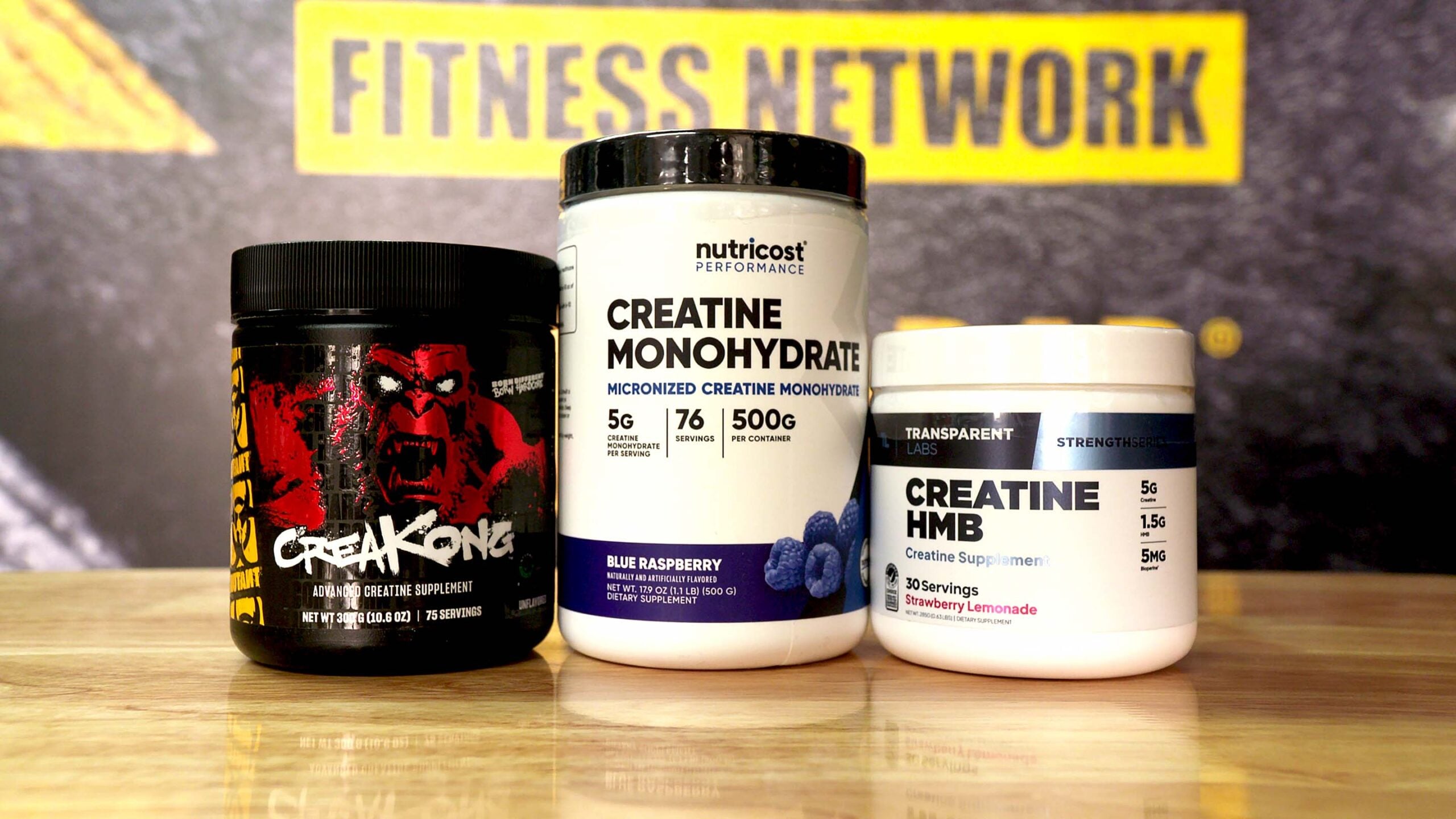
Whole foods should be your foundation, but supplements can help fill gaps. Take a look at things like meal replacement powders, creatine, and electrolytes.
Common Beginner Mistakes to Avoid
Many beginners slow their progress by making simple mistakes:
- Training too hard, too often
- Ignoring proper form
- Program hopping every few weeks
- Not eating enough
- Skipping rest days
Consistency beats intensity every time.
How Long Should You Run This Program?
Stick with this program for 8–12 weeks before making major changes. Your body needs time to adapt and grow.
If you’re still progressing, there’s no reason to switch.
Final Thoughts: Keep It Simple and Stay Consistent
The best hypertrophy program for beginners isn’t the most complex—it’s the one you can stick to. A structured upper/lower split, progressive overload, and proper nutrition will take you further than any “advanced” program ever will at this stage.
Build the foundation first. Master the basics. Stay consistent. That’s how real muscle is built.
Let us know what you think in the comments below. Also, be sure to follow Generation Iron on Facebook, Twitter, and Instagram.
References
Stuart Phillips (2014). A brief review of critical processes in exercise-induced muscular hypertrophy. Sports Medicine, 44(Suppl 1), 71–77.
Brad Schoenfeld (2010). The mechanisms of muscle hypertrophy and their application to resistance training. Journal of Strength and Conditioning Research, 24(10), 2857–2872.
Brad Schoenfeld, Ogborn, D., & Krieger, J. (2017). Dose-response relationship between weekly resistance training volume and increases in muscle mass: A systematic review and meta-analysis. Journal of Sports Sciences, 35(11), 1073–1082.