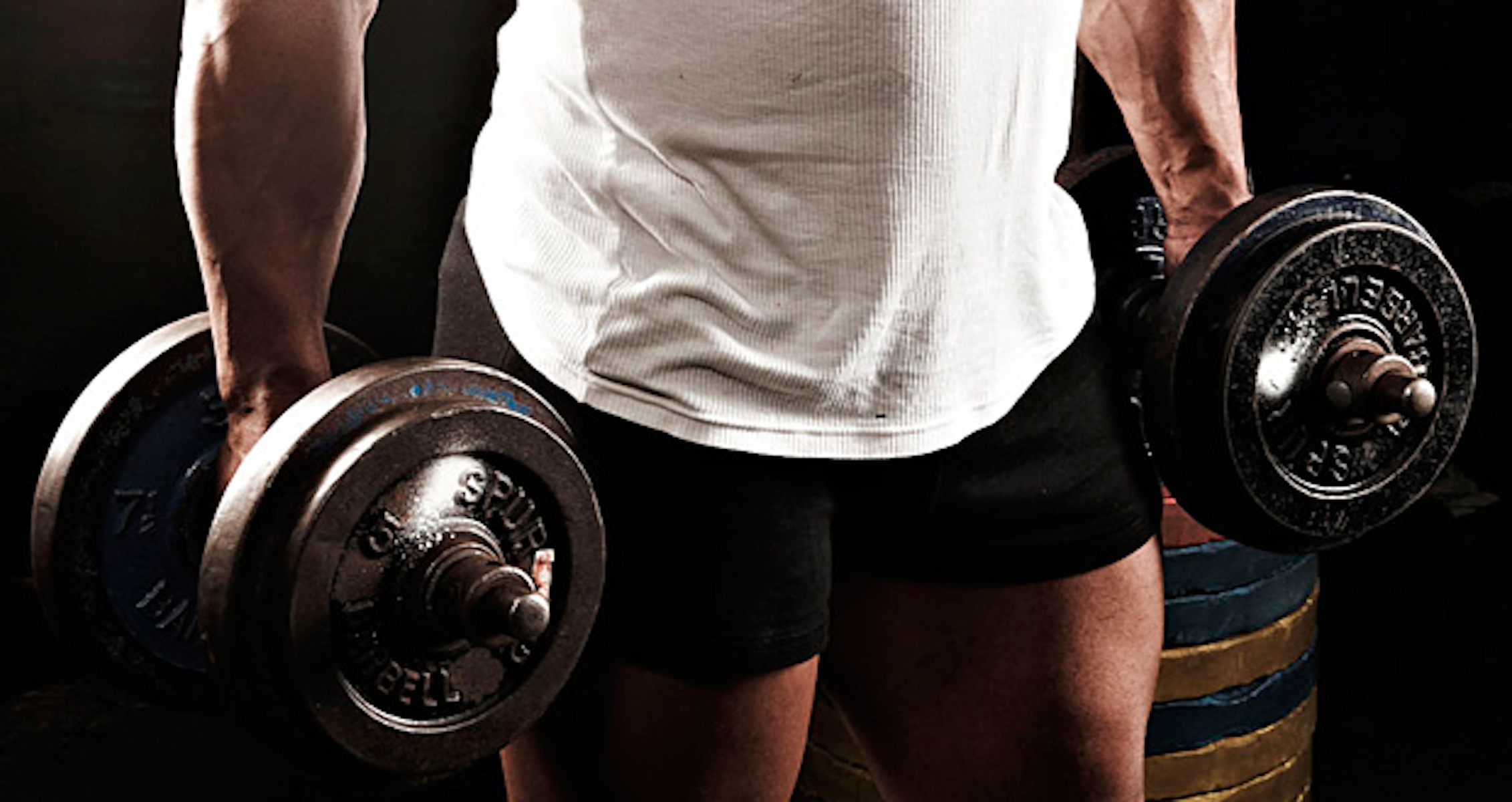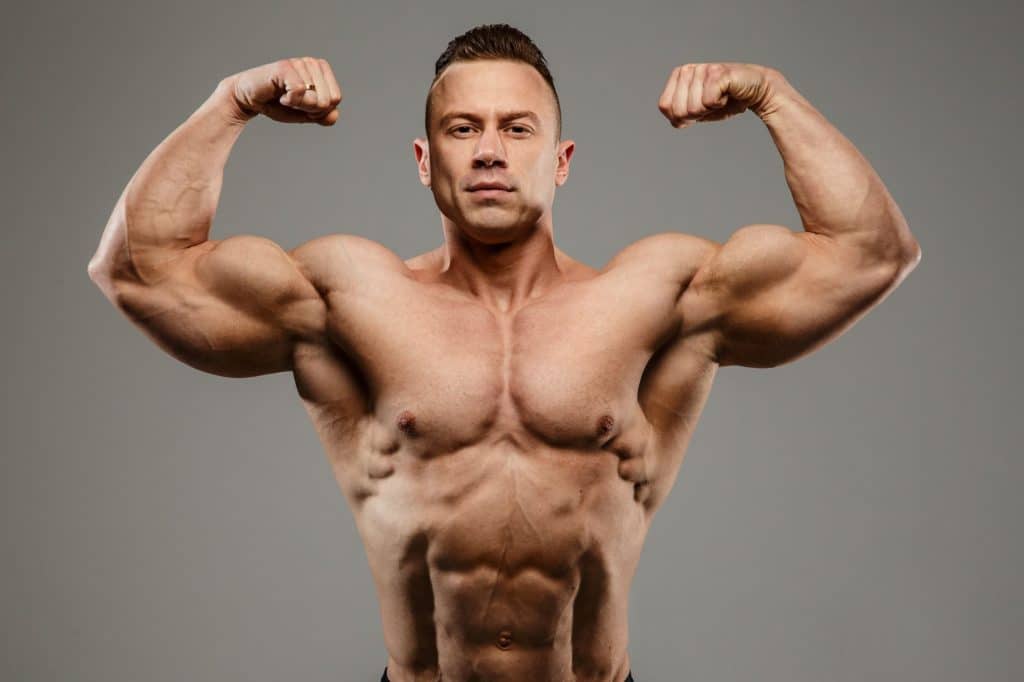
How to Build Bigger, Stronger Arms
Big arms are one of the most recognizable signs of a well-developed physique. Whether you’re chasing bigger sleeves, improving your bodybuilding proportions, or simply trying to add more size and strength to your upper body, building impressive biceps requires more than simply performing endless curls.
If you want bionic biceps, your training needs to combine progressive overload, controlled repetitions, sufficient volume, and exercises that challenge the biceps through different positions and ranges of motion.
The good news? You don’t need a complicated approach. A well-structured biceps workout can provide everything you need to stimulate growth and keep your arms progressing.
Our team at Generation Iron is going to break it down.
What Does It Take to Build Bionic Biceps?

The biceps brachii is responsible for elbow flexion and also plays an important role in supination of the forearm. Because the muscle performs multiple functions, using different exercises and grips can help you train it from different angles.
Building bigger biceps ultimately comes down to consistently creating enough training stimulus to encourage muscle growth while allowing the muscle to recover.
Some of the most important factors include:
- Progressive overload
- Proper exercise selection
- Controlled repetitions
- Sufficient training volume
- Training close to muscular failure
- Adequate protein and calories
- Consistent recovery
- Patience and long-term progression
You don’t need to destroy your biceps every day. You need to train them effectively and consistently.
The Best Exercises for Bionic Biceps
Barbell or EZ-Bar Curl
The barbell curl is one of the classic mass-building movements for the biceps.
Using an EZ-bar can provide a more comfortable wrist position while still allowing you to handle challenging loads. Keep your elbows. relatively stationary and avoid turning the exercise into a full-body movement.
Focus on lifting the weight under control rather than simply moving as much weight as possible.
Try: 3–4 sets of 6–12 reps
Dumbbell Curl
Dumbbell curls allow you to train each arm independently while giving you greater freedom to rotate your wrists throughout the movement.
A controlled supination as you curl can increase the challenge placed on the biceps.
Avoid swinging the dumbbells. Keep your upper arms relatively stable and concentrate on contracting the muscle.
Try: 3 sets of 8–12 reps
Incline Dumbbell Curl
If you’re looking for an exercise that challenges the biceps in a lengthened position, incline dumbbell curls are an excellent option.
The incline bench places your arms behind your torso, creating a different starting position than traditional curls. Use a manageable weight and emphasize the eccentric portion of every repetition.
Try: 2–3 sets of 8–15 reps
Preacher Curl
Preacher curls help reduce the amount of momentum you can generate with your body, making it easier to keep tension on the biceps.
Because the movement encourages strict form, don’t worry about using extremely heavy weights. The goal is to make the biceps do the work.
Try: 2–3 sets of 10–15 reps
Concentration Curl
Concentration curls are another useful isolation exercise for finishing a biceps workout.
By bracing your arm against your leg, you can minimize assistance from other muscle groups and concentrate on controlling the weight.
Try: 2 sets of 10–15 reps
A Bionic Biceps Workout

If your goal is bigger arms, try incorporating the following workout into your training routine:
1. EZ-Bar Curl
3 sets x 8–12 reps
2. Incline Dumbbell Curl
3 sets x 10–12 reps
3. Preacher Curl
3 sets x 10–15 reps
4. Hammer Curl
3 sets x 10–15 reps
5. Concentration Curl
2 sets x 12–15 reps
Rest approximately 60–120 seconds between sets and focus on maintaining good technique throughout the workout.
Don’t Ignore the Brachialis
If you want your arms to look bigger from every angle, don’t focus exclusively on the biceps brachii.
The brachialis sits underneath the biceps and contributes to overall upper-arm thickness. Exercises such as hammer curls and reverse curls can help place greater emphasis on the muscles involved in elbow flexion while using a more neutral or pronated grip.
This is one reason hammer curls can be such a valuable addition to a complete arm-training program.
Control the Eccentric
One of the easiest ways to make your biceps training more effective is to stop rushing through your repetitions.
The lowering portion of a curl should be controlled rather than allowing gravity to drop the weight. A slower eccentric can increase the time your muscles spend under tension and make lighter weights considerably more challenging.
Try taking approximately two to three seconds to lower the weight on many of your working sets.
You don’t need to make every repetition painfully slow. Instead, prioritize control and avoid letting momentum take over.
Progressive Overload Is Still King
You can have the perfect collection of biceps exercises, but if your training never progresses, your results will eventually stall.
Progressive overload doesn’t necessarily mean adding weight every workout.
You can progress by:
- Increasing the weight
- Performing more repetitions
- Improving your technique
- Increasing your range of motion
- Adding a set when appropriate
- Improving control during the eccentric
- Getting closer to muscular failure
For example, if you perform 10 reps with 30-pound dumbbells one week and eventually reach 12 controlled reps with the same weight, you’ve made progress.
Once you’ve reached the top of your desired rep range with good technique, you can consider increasing the resistance.
How Often Should You Train Your Biceps?

More isn’t always better. Your biceps already receive significant indirect stimulation during pulling exercises such as rows, pulldowns, and pull-ups. Adding multiple high-volume biceps workouts on top of that can make recovery more difficult.
For many lifters, directly training the biceps one to two times per week can be an effective starting point.
Your ideal frequency depends on your overall training program, recovery, experience level, and total weekly volume.
Pay attention to your performance. If your biceps are constantly sore and your strength is declining, more training may not be the answer.
Nutrition Matters for Bigger Arms
Training provides the stimulus for muscle growth, but your nutrition helps provide the resources necessary to recover and build new muscle tissue.
If you’re trying to gain size, make sure you’re consuming enough total calories and protein to support your goal.
Prioritize:
- High-quality protein sources
- Sufficient calories
- Carbohydrates to support training
- Healthy dietary fats
- Plenty of fluids
- Consistent meals throughout the day
A great biceps workout won’t compensate for consistently poor nutrition.
Build Bionic Biceps With Consistency
There is no secret exercise that will transform your arms overnight.
The lifters who build impressive biceps are the ones who consistently train hard, progressively increase their performance, recover properly, and stick with the process for months and years.
Focus on exercises that allow you to train the biceps effectively. Control your repetitions. Progress your lifts. Eat appropriately. Recover.
Do that consistently, and your arms will have a much better chance of becoming the bionic biceps you’ve been chasing.
Final Takeaway
Building bigger biceps isn’t about performing hundreds of curls every week. It’s about creating a quality training stimulus and progressively getting better over time.
Use a combination of heavy and moderate-rep curls, include movements that challenge the biceps in different positions, train with controlled technique, and give your muscles enough time and nutrition to recover.
Train intelligently, stay consistent, and keep pushing your limits.
Be sure to follow us on Facebook and Twitter.
References
- Currier, B. S., D’Souza, A. C., Fiatarone Singh, M. A., et al. (2026). American College of Sports Medicine Position Stand: Resistance Training Prescription for Muscle Function, Hypertrophy, and Physical Performance in Healthy Adults: An Overview of Reviews. Medicine & Science in Sports & Exercise, 58(4), 851–872. The updated ACSM position stand supports progressive resistance training and finds that higher weekly training volume can enhance hypertrophy. PubMed
- Schoenfeld, B. J., Ogborn, D., & Krieger, J. W. (2017). Dose-response relationship between weekly resistance training volume and increases in muscle mass: A systematic review and meta-analysis. Journal of Sports Sciences, 35(11), 1073–1082.
- Baz-Valle, E., Fontes-Villalba, M., & Santos-Concejero, J. (2022). A Systematic Review of the Effects of Different Resistance Training Volumes on Muscle Hypertrophy. Journal of Human Kinetics, 81, 199–210. The review specifically discusses training volume for the biceps brachii and other muscle groups.