IFBB Coach Explains Why Many Bodybuilders Miss Their Peak During Bodybuilding Competition Prep.
Peak week is often viewed as the most important stage of bodybuilding contest prep. After months of dieting, training, cardio, and conditioning, bodybuilders enter peak week hoping to maximize muscle fullness, conditioning, vascularity, and overall stage presentation. Now a highly-respected bodybuilding coach is revealing 5 key peak week mistakes that can ruin your physique on show day.
From aggressive water manipulation and excessive carb loading, to poor peak week planning and over-pumping backstage, these common bodybuilding mistakes can flatten muscles, blur conditioning, and cost competitors valuable placings when they step on stage.
Why Peak Week Is So Important In Bodybuilding Contest Prep
The purpose of peak week is simple: arrive on stage looking as full, dry, conditioned, and muscular as possible.

Unfortunately, many bodybuilders treat peak week as an opportunity to dramatically change their physique rather than refine the physique they spent months building. Ervin believes this is where many bodybuilding competitors go wrong.
Instead of trusting the contest prep process, athletes often panic when they notice small changes in their appearance. A slight loss of fullness, temporary water retention, poor sleep, travel stress, or digestive issues can trigger a chain reaction of unnecessary adjustments.
In many cases, competitors don’t lose bodybuilding shows because they weren’t conditioned enough. They lose because they overreacted during peak week.
The 5 Biggest Bodybuilding Peak Week Mistakes
1. Letting Panic And Chaos Take Over
IFBB coach Kovacs Ervin told Muscle and Fitness one of the biggest mistakes competitors make during bodybuilding peak week is abandoning a well-tested contest prep plan because they suddenly believe something is wrong.
Many athletes wake up during peak week looking slightly different due to travel, stress, poor sleep, inflammation, or digestion issues. Instead of trusting the process, they begin making drastic changes to food intake, water consumption, sodium levels, and supplementation.
The result is often unnecessary chaos that creates more problems than it solves.
For bodybuilders, consistency during peak week is often far more valuable than chasing a last-minute adjustment.
2. Reacting Emotionally To A Flat Or Spilled-Over Look
Every competitive bodybuilder has experienced it. You look in the mirror and suddenly feel flat, watery, or less conditioned than expected.
Ervin warns that many competitors immediately assume they need more carbohydrates, less water, more sodium, or some other drastic adjustment. In reality, a physique can temporarily appear different for dozens of reasons that have nothing to do with actual conditioning.
Stress, sleep deprivation, travel, inflammation, and digestion can all affect how a bodybuilder looks during contest prep.
The mistake is making emotional decisions based on a single glance in the mirror instead of understanding what is actually happening.
3. Force Feeding For More Muscle Fullness
One of the most common bodybuilding peak week strategies is carb loading. However, Ervin believes many competitors take things too far.
When bodybuilders begin force feeding carbohydrates and large meals in an effort to achieve maximum muscle fullness, they often create digestive distress that negatively impacts their physique. Bloating, stomach distension, poor digestion, and discomfort can all make a competitor look worse on show day.
Rather than trying to stuff down every possible carbohydrate, Ervin suggests that competitors focus on measured adjustments and foods their body already tolerates well.
Muscle fullness is important, but not at the expense of conditioning and presentation.
4. Pumping Past Perfection Backstage
A good pump can make a dramatic difference before stepping on stage. A great pump highlights muscle fullness, vascularity, and detail.
Too much pumping, however, can have the opposite effect.
According to Ervin, many competitors continue pumping long after they have already achieved the look they want. Instead of enhancing the physique, excessive pump-up work can lead to fatigue, cramping, excessive sweating, and reduced posing quality.
The goal of a bodybuilding pump-up session is not to get another workout in. The goal is simply to bring the muscles to life before prejudging or finals.
Sometimes the best decision is putting the bands down and conserving energy for the stage.
5. Trying To Peak Too Soon
Perhaps the most overlooked mistake during bodybuilding contest prep is attempting to achieve the perfect look too early.
Many competitors want to look stage-ready days before the competition. They begin manipulating carbohydrates, water, sodium, and training in an effort to force their peak ahead of schedule.
Ervin cautions that bodybuilding peak week is a dynamic process. A physique that looks perfect on Wednesday may not look perfect by Saturday if adjustments are made too aggressively or too early.
The best competitors understand that timing matters. The goal is not to peak several days before the show. The goal is to peak when the judges are actually evaluating the physique.
The Best Bodybuilding Peak Week Strategy May Be Doing Less
In modern bodybuilding, competitors often become obsessed with advanced peak week protocols, water manipulation strategies, sodium adjustments, and carb-loading plans. While these tools can be useful, Ervin’s message is a reminder that the fundamentals still matter most.
The best bodybuilding contest prep plans are built months before a competitor ever steps on stage. By the time peak week arrives, the focus should be on maintaining muscle fullness, preserving conditioning, managing stress, and executing a proven plan.
For many competitors, the difference between winning and missing their peak is not a secret supplement or an extreme protocol. It’s avoiding the common bodybuilding peak week mistakes that have ruined countless physiques before show day.
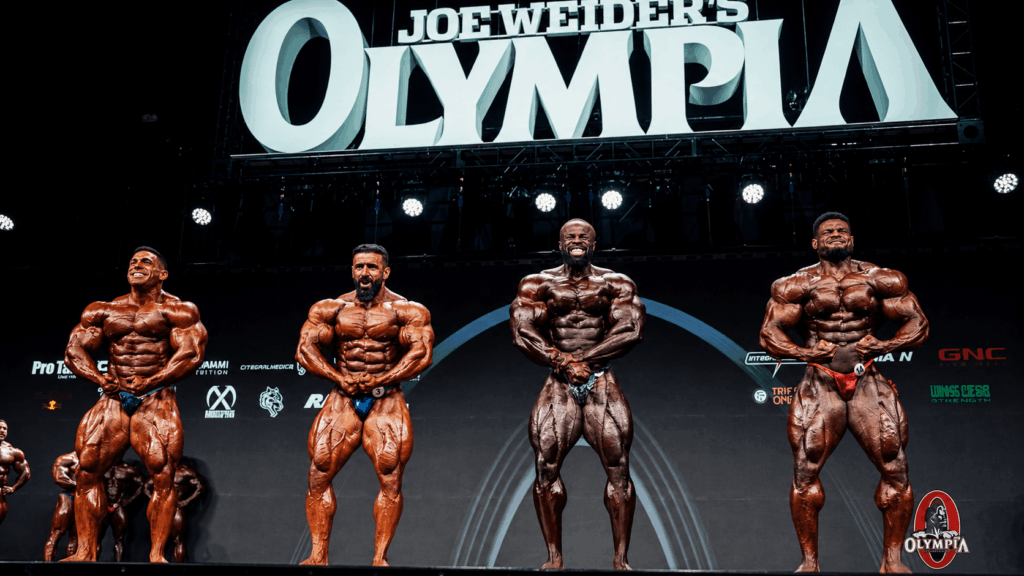
Featured image via Instagram @mrolympiallc