What Is It and How to Do One Without Losing Muscle
A mini cut is a short, focused period of dieting designed to reduce body fat without spending months in a calorie deficit. Unlike a traditional cutting phase, which can last for several months, a mini cut is intentionally brief and aggressive enough to quickly bring body fat back under control before returning to a muscle-building phase.
For lifters who spend much of the year in a calorie surplus, a mini cut can be an effective way to clean up their physique without sacrificing the progress made during a gaining phase.
The key is knowing how to structure a mini cut so you lose fat while doing everything possible to maintain muscle, strength, and training performance.
Our team at Generation Iron is breaking it down.
What Is a Mini Cut?

A mini cut is a short-term calorie deficit used to reduce body fat, typically lasting anywhere from a few weeks to roughly two months.
The goal isn’t to completely transform your physique during this period. Instead, the objective is to quickly remove some of the body fat accumulated during a prolonged gaining phase.
A mini cut can be especially useful for lifters who notice that:
- Body fat is increasing faster than desired
- Abdominal definition is disappearing
- A bulk has gone on longer than planned
- They want to improve their body composition before gaining again
- They want to maintain a relatively lean physique year-round
Rather than continuing to push calories higher during a bulk, a mini cut gives you an opportunity to reset before returning to a calorie surplus.
How Long Should a Mini Cut Last?
Most mini cuts are relatively short, often lasting 4–8 weeks depending on the individual’s starting point and goals.
The shorter duration is one of the biggest differences between a mini cut and a traditional fat-loss phase.
You generally don’t want to turn a mini cut into a six-month diet. The purpose is to make a relatively quick adjustment to your body composition and then return to your primary goal.
For someone focused on building muscle, spending too much time dieting can make it more difficult to maintain training performance and continue progressing in the gym.
How Aggressive Should a Mini Cut Be?
A mini cut is generally more aggressive than a typical long-term fat-loss phase, but that doesn’t mean you should dramatically slash calories or starve yourself.
A common starting point is a moderate-to-aggressive calorie deficit while maintaining adequate protein and continuing resistance training.
Your rate of weight loss will depend on your starting body composition, activity level, training volume, and calorie intake. A commonly used guideline for active individuals is approximately 0.5–1% of body weight per week, although the ideal rate can vary.
The goal is to create enough of a deficit to lose meaningful amounts of fat while still giving your body the resources necessary to train and recover.
Keep Protein High During a Mini Cut
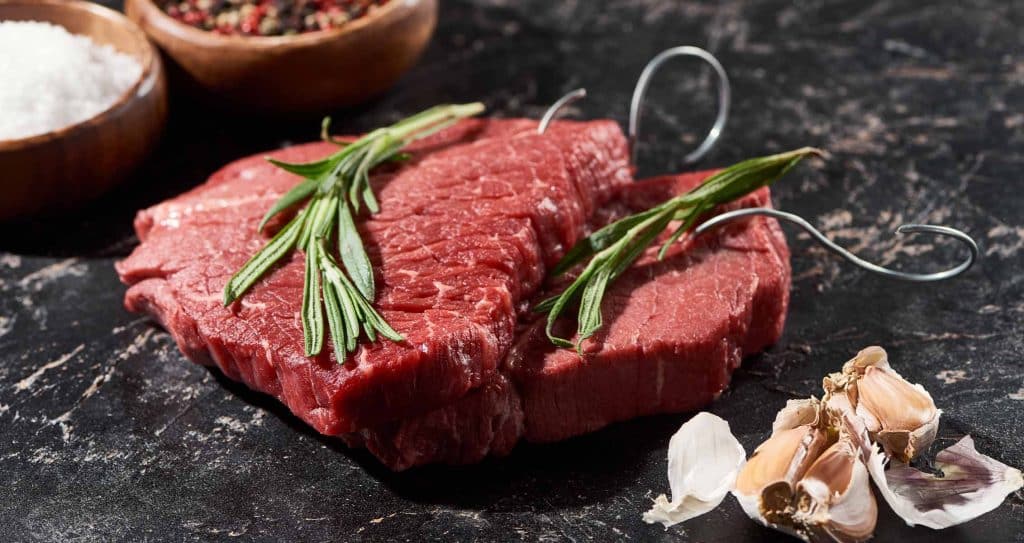
Protein becomes particularly important when calories are reduced.
When you’re dieting, your body has less energy available for recovery and other physiological processes. Maintaining adequate protein intake and continuing to train with weights can help support lean mass retention.
High-protein foods should form the foundation of your diet during a mini cut.
Good options include:
- Chicken
- Turkey
- Lean beef
- Fish
- Eggs
- Greek yogurt
- Cottage cheese
- Protein shakes
- Whey or other high-quality protein sources
Instead of simply eating as little as possible, build your mini cut around high-quality foods that provide plenty of protein and keep you satisfied.
Don’t Stop Lifting During a Mini Cut
One of the biggest mistakes lifters make during a mini cut is drastically reducing their training intensity.
Resistance training provides an important stimulus for maintaining muscle. You don’t need to turn every workout into a marathon, but you should continue giving your muscles a reason to stick around.
Your training may need some adjustments as calories decrease.
For example, you might reduce overall training volume if recovery starts to suffer while continuing to prioritize heavy, productive sets.
The goal is not to set personal records every workout. The goal is to maintain as much strength and muscle as possible while losing body fat.
What Should You Eat During a Mini Cut?
There isn’t one perfect mini-cut diet. The most important factor is establishing a calorie deficit that is appropriate for your goals while consuming enough protein and maintaining a balanced diet.
A simple mini-cut nutrition strategy can include:
Protein
Prioritize protein at every meal to help support muscle retention and recovery.
Carbohydrates
Carbohydrates can help support training performance, particularly when you’re lifting frequently. Rather than eliminating carbs, strategically place them around your workouts if that works well for your routine.
Dietary Fat
Don’t eliminate dietary fat completely. Include reasonable amounts from foods such as eggs, nuts, seeds, olive oil, avocado, and fatty fish.
Fruits and Vegetables
Fruits and vegetables can make a calorie-controlled diet more filling while providing important vitamins, minerals, and fiber.
The best mini-cut diet is one you can consistently follow.
Can Supplements Help During a Mini Cut?
Supplements aren’t a replacement for a calorie deficit, proper nutrition, resistance training, or adequate sleep. However, the right supplement can fit naturally into a well-structured fat-loss plan.
This is where a product such as Transparent Labs Recomp can make sense as part of the overall strategy.

Recomp your entire physique with Transparent Labs Recomp.
Rather than treating a supplement as the centerpiece of a mini cut, think of it as an addition to the fundamentals you’re already getting right.
Transparent Labs Recomp is a stimulant-based formula designed to complement a fat-loss-focused approach. The product comes in a 60-serving bottle, with a serving consisting of two capsules. The recommended use is two capsules with 8–10 ounces of water, twice daily, 30–60 minutes before meals.
For someone already following a structured mini cut, adding a product like Recomp can be a convenient way to incorporate a dedicated body-composition supplement into the routine.
The important distinction is that Recomp doesn’t create the calorie deficit for you. Your nutrition, activity level, and training are still responsible for the foundation of your results.
If you’re already using coffee, energy drinks, pre-workout, or other stimulant-containing products, it’s also important to account for your total daily stimulant intake.
Should You Do Cardio During a Mini Cut?

Cardio can be useful during a mini cut, but more isn’t always better.
Adding some cardiovascular activity can increase your overall energy expenditure and help create the calorie deficit necessary for fat loss.
Good options include:
- Walking
- Incline treadmill walking
- Cycling
- Stair climbing
- Elliptical training
- Moderate-intensity cardio
- Occasional HIIT
Walking is particularly useful because it generally creates less recovery demand than adding large amounts of high-intensity cardio.
Rather than immediately adding an hour of cardio every day, start with a manageable amount and adjust based on your progress.
How to Preserve Strength During a Mini Cut
Maintaining strength is one of the biggest priorities during a mini cut.
You may notice some performance fluctuations as calories and carbohydrates decrease. That doesn’t automatically mean you’re losing muscle.
Changes in:
- Glycogen
- Hydration
- Body weight
- Recovery
- Energy availability
can all affect your performance.
Continue training hard, but don’t force progression at all costs.
If you’re able to maintain most of your strength while your body weight and measurements are moving in the right direction, you’re likely doing a good job managing the cut.
Mini Cut vs. Traditional Cut
A mini cut and a traditional cut have the same basic objective: reduce body fat.
The difference is primarily the duration and context. A traditional cut may last for several months and is often used when someone has a significant amount of fat to lose.
A mini cut is much shorter and is often used by people who are primarily focused on building muscle but want to prevent body fat from climbing too high.
Think of it this way:
Bulk → Mini Cut → Bulk → Mini Cut
For some lifters, this approach can be easier to manage than completing one extremely long gaining phase followed by one extremely long dieting phase.
Common Mini Cut Mistakes
Cutting Calories Too Far
A larger deficit isn’t automatically better. If calories are pushed excessively low, training performance and recovery can suffer.
Dropping Protein
Protein should remain a priority throughout the mini cut.
Eliminating Carbohydrates
There’s no requirement to eliminate carbohydrates to lose fat. Carbohydrates can be valuable for maintaining training performance.
Doing Excessive Cardio
More cardio isn’t always the answer. Excessive cardio can increase fatigue and make recovery more difficult.
Changing Your Training Completely
You don’t need to replace your strength-training program with endless circuits and cardio. Continue providing your muscles with a strong resistance-training stimulus.
Turning a Mini Cut Into a Long Cut
A mini cut is supposed to be short.
If you continue extending the diet week after week, you may eventually find yourself in a traditional cutting phase without realizing it.
When Should You End a Mini Cut?
There’s no universal number that determines exactly when a mini cut should end.
You may want to finish the mini cut when you’ve reached your target body-fat level, achieved the desired amount of weight loss, or simply feel ready to return to a productive gaining phase.
The important thing is to have a plan for what comes next.
After completing a mini cut, don’t immediately go from a significant calorie deficit to an uncontrolled surplus.
Instead, gradually bring calories back toward maintenance and then establish an appropriate surplus if muscle growth is the next priority.
The Bottom Line on Mini Cuts
A mini cut can be a powerful tool for lifters who want to control body fat without abandoning their long-term muscle-building goals.
The formula is relatively simple:
- Establish a calorie deficit
- Keep protein high
- Continue resistance training
- Use cardio strategically
- Prioritize recovery
- Monitor your progress
- Keep the diet relatively short
- Return to a controlled gaining phase when appropriate
Supplements can complement that process, but they should never replace the fundamentals.
For lifters who want to add a dedicated body-composition supplement to their routine, Transparent Labs Recomp can fit naturally into a structured mini cut alongside proper nutrition and training.
Ultimately, the goal of a mini cut isn’t simply to weigh less. It’s to lose unnecessary body fat while preserving as much of the muscle and strength you’ve worked to build as possible.
Let us know what you think in the comments below. Also, be sure to follow Generation Iron on Facebook, Twitter, and Instagram.
References
- Helms, E. R., Aragon, A. A., & Fitschen, P. J. (2014). Evidence-based recommendations for natural bodybuilding contest preparation: nutrition and supplementation. Journal of the International Society of Sports Nutrition.
- Morton, R. W., et al. (2018). A systematic review, meta-analysis and meta-regression of the effect of protein supplementation on resistance training-induced gains in muscle mass and strength. British Journal of Sports Medicine.
- Garthe, I., Raastad, T., Refsnes, P. E., & Sundgot-Borgen, J. (2011). Effect of two different weight-loss rates on body composition and strength and power-related performance in elite athletes. International Journal of Sport Nutrition and Exercise Metabolism.
- Transparent Labs. Recomp product information.