BCAA Supplements Explained: Benefits, Timing, and How They Improve Muscle Growth & Performance
BCAA supplements, short for branched-chain amino acids, have long been a staple in bodybuilding and athletic nutrition. Used by beginners and elite athletes alike, BCAAs are known for supporting muscle growth, workout performance, and recovery.
Despite their popularity, BCAAs remain one of the most debated supplements in fitness. Some athletes swear by them, while others question whether they’re truly effective. The truth lies in understanding what BCAAs are, how they work, and when to use them properly.
This complete guide breaks down everything you need to know about BCAA supplements so you can decide whether they belong in your bodybuilding stack.
What Are BCAA Supplements?
Branched chain amino acids (BCAAs) are three essential amino acids (EAAs), yet they differ in their chemical structures. Too often we just don’t know what they are, the difference between BCAA’s vs EAA’s, what the benefits are, or when to take them. Let’s begin with amino acids.
BCAAs are three essential amino acids:
- Leucine
- Isoleucine
- Valine
Amino acids are organic compounds that are the foundation of protein, and as we all know, protein is the building blocks of muscle. 20 amino acids make up protein, but of those 20, only 9 are considered essential amino acids. They are essential because the body cannot produce them and must be obtained through food or supplements. The nine essential amino acids include: histidine, isoleucine, lysine, leucine, methionine, phenylalanine, tryptophan, threonine, and valine.
What separates BCAAs from EAAs is that their side chain branches out allowing for a different metabolic rate. You can find BCAAs in food with large amounts of protein and this will help with protein synthesis but also recovery. Since your body turns to glycogen stores for energy and fuel during a workout, BCAAs can prevent fatigue and offer that boost so your body doesn’t take from your muscle for that much needed fuel.
BCAA vs EAA: What’s the Difference
EAAs (essential amino acids) include all nine essential amino acids, while BCAAs are just three of them. However, BCAAs, particularly leucine, play a dominant role in stimulating muscle protein synthesis.
Because BCAAs are rapidly metabolized in muscle and can be used for energy, they’re especially effective during workouts to help reduce fatigue and muscle breakdown.
The Role Of Each Branched-Chain Amino Acid
Let’s break down the role of each of our three branched-chain amino acids because each offers a specific role to really enhance your overall growth and recovery.
Leucine
Leucine is the most important BCAA for muscle growth. It activates the mTOR pathway, which signals your body to start building muscle protein. Leucine also increases insulin release, creating a more anabolic environment while reducing cortisol, a hormone associated with muscle breakdown. This will help with protein synthesis which leads to the growth of muscle mass (1).
Isoleucine
Isoleucine supports glucose uptake and fat metabolism, helping improve energy utilization during training. It activates pathways associated with fat burning and contributes to better body composition over time. Using this stored fat for fuel will really see a shed in that unwanted and stubborn body fat (2).
Valine
Valine helps reduce central nervous system fatigue by competing with tryptophan, an amino acid that increases serotonin levels and signals tiredness to the brain. This allows you to stay focused and train harder for longer. Tryptophan wants to signal to the brain that the body is fatigued, but valine works to stop it in order to delay that fatigue so you cognitively work harder throughout your workout (3).

Proven Benefits of BCAA Supplements
BCAA supplements offer several performance and recovery benefits:
- Muscle growth support: Stimulates protein synthesis and preserves lean muscle mass
- Reduced muscle soreness: Helps limit muscle breakdown and speeds recovery muscles feeling sore (4).
- Decreased fatigue: Delays mental and physical exhaustion during workouts. (5).
- Muscle preservation: Especially useful during cutting phases or fasted training
While results vary between individuals, BCAAs consistently show value for athletes training at high intensity or volume.
When Should You Take BCAAs?
One of the biggest advantages of BCAA supplements is their flexibility.
Before a Workout
Helps reduce muscle breakdown, especially during fasted training, and may improve energy availability.
During a Workout
Acts as an intra-workout fuel source, reducing fatigue and maintaining mental focus.
After a Workout
Supports muscle repair and accelerates recovery by assisting protein synthesis.

Best Recommended BCAA Supplement
Nutricost BCAA Key Facts
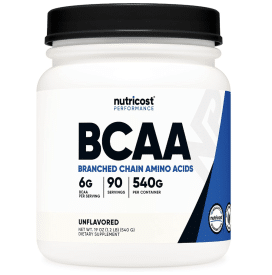
Get some great intra-workout recovery for an even greater price by using Nutricost BCAAs.
| Total BCAAs | 6g |
| Calories | 5 |
| Carbs | 0g |
| Number Of Servings | 60 |
| Serving Size | 1 scoop |
| Best Way To Take | Mix 1 scoop with 9-10 oz. of your desired beverage pre- or post-workout, or between meals. |
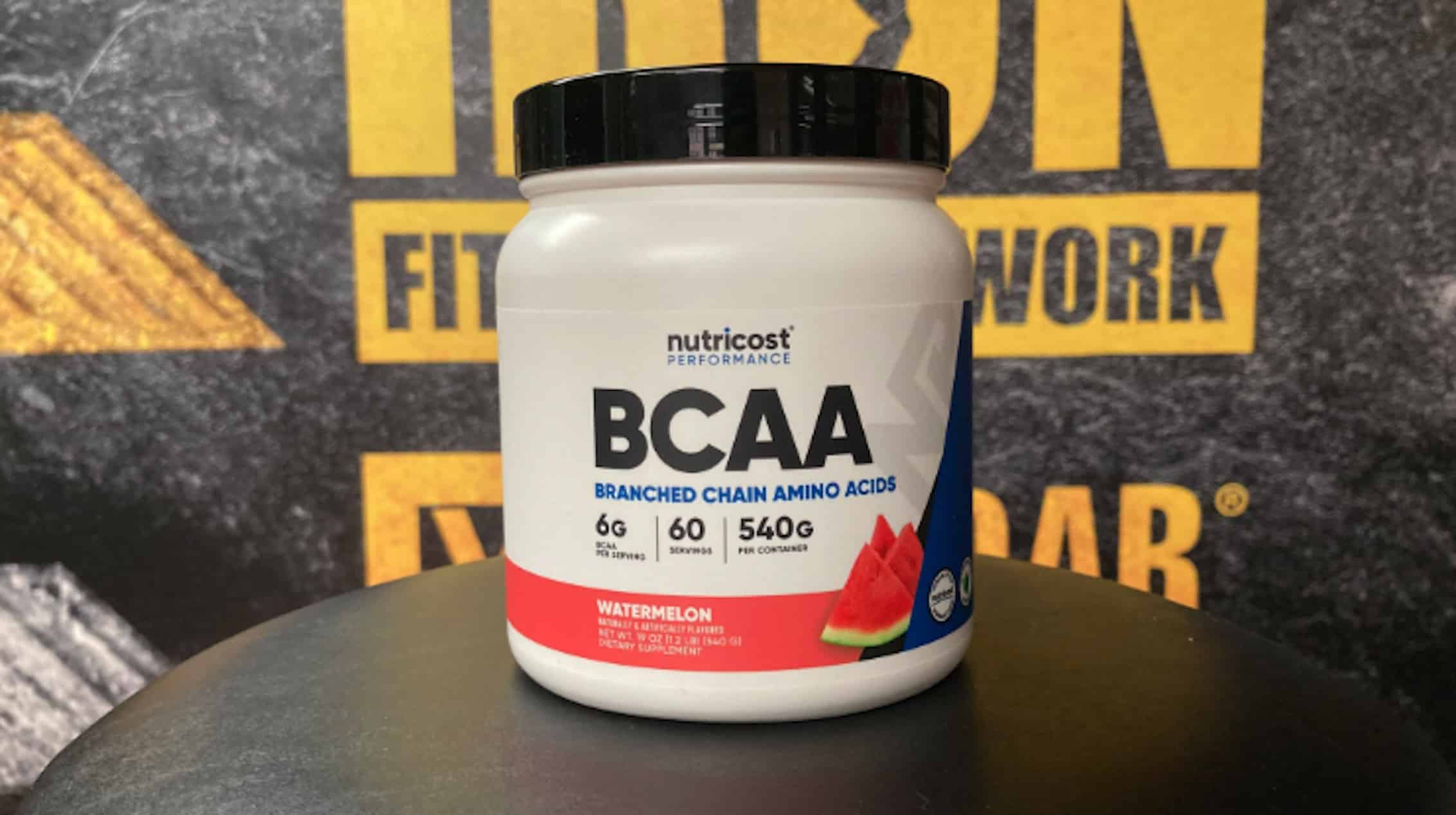
Nutricost BCAAs is an affordable BCAA supplement that stands out for its value, can be purchased for $23.95, and you get 60 servings, that is a great deal. With no unnecessary fillers and a high serving count at an affordable price point, it delivers everything most athletes want from a BCAA supplement without draining your wallet.
Best way to use: Mix one scoop with water before, during, or after training. Check out the full review for Nutricost BCAA here.
Final Thoughts: Are BCAA Supplements Worth It?
BCAA supplements aren’t magic—but when used correctly, they can meaningfully support muscle growth, recovery, endurance, and focus. They’re especially beneficial during intense training phases, calorie restriction, or fasted workouts.
If your goal is to train harder, recover faster, and protect lean muscle mass, adding a quality BCAA supplement to your routine can be a smart move.
Let us know your experience with BCAA supplements in the comments, and don’t forget to follow Generation Iron on Facebook, Twitter, and Instagram.
*Images courtesy of Envato
References
- Blomstrand, Eva; Eliasson, Jorgen; Karlsson, Hakan K. R.; Kohnke, Rickard (2006). “Branched-chain amino acids activate key enzymes in protein synthesis after physical exercise”. (source)
- Luo, Yanhong; Zhang, Xin; Zhu, Zhengpeng; Jiao, Ning; Qiu, Kai; Yin, Jingdong (2018). “Surplus dietary isoleucine intake enhanced monounsaturated fatty acid synthesis and fat accumulation in skeletal muscle of finishing pigs”. (source)
- Tsuda, Yuichi; Iwasawa, Kaori; Yamaguchi, Makoto (2018). “Acute supplementation of valine reduces fatigue during swimming exercise in rats”. (source)
- Negro, M.; Giardina, S.; Marzani, B.; Marzatico, F. (2008). ” Branched-chain amino acid supplementation does not enhance athletic performance but affects muscle recovery and the immune system”. (source)
- Blomstrand, Eva (2006). “A role for branched-chain amino acids in reducing central fatigue”. (source)