The Complete Guide to Fat Loss, Muscle Retention, and Lean Performance
It is no secret that creatine is one of the most researched supplements in sports nutrition. It’s widely known for increasing strength, improving power output, and supporting muscle growth. But when fat loss is the goal of an individual, many people wonder: Does creatine cause weight loss — or does it actually make you gain weight?
The answer is more nuanced than a simple yes or no.
Creatine does not directly burn fat, but it can play a powerful role in fat loss, muscle preservation, and body recomposition when used strategically. Understanding how it works — and choosing the right formula — makes all the difference, and our team at Generation Iron is going to break it down.
What Creatine Actually Does in the Body

Creatine helps your body regenerate ATP (adenosine triphosphate), the primary energy source for short bursts of high-intensity activity like:
- Weightlifting
- Sprinting
- High-intensity interval training
- Explosive sports
When ATP regenerates faster, you can:
- Lift heavier
- Perform more reps
- Train with greater intensity
- Recover faster between sets
Over time, this leads to increased strength and muscle development.
But how does that connect to weight loss?
Creatine and Fat Loss: The Indirect Advantage
Creatine doesn’t act like a thermogenic or stimulant. It doesn’t increase your heart rate or suppress appetite.
Instead, it supports fat loss indirectly in three powerful ways:
1. Helps Preserve Lean Muscle During Dieting
When you enter a calorie deficit to lose fat, your body doesn’t just burn fat — it can also break down muscle tissue if you are burning far more calories than you are consuming.
Loss of muscle leads to:
- Slower metabolism
- Reduced strength
- Less defined appearance
Creatine helps preserve muscle mass during a cut by maintaining strength and training capacity. The more muscle you retain, the higher your resting metabolic rate remains.
Preserving muscle is critical for sustainable fat loss.
2. Allows You to Train Harder While Eating Less
Dieting often reduces energy levels, making workouts feel harder. Creatine supports ATP production, which can help maintain performance even during lower-calorie phases.
Better workouts mean:
- Higher total training volume
- More calories burned
- Greater muscle stimulation
- Improved long-term body composition
If you can maintain strength while cutting, you are far more likely to lose fat instead of muscle.
3. Supports Body Recomposition
Body recomposition refers to:
- Losing fat
- Gaining or maintaining muscle
- Improving muscle definition
Because creatine enhances training intensity and muscle retention, it’s extremely effective for recomposition phases — especially when combined with resistance training and adequate protein intake.
You may not see dramatic scale drops, but you’ll often look leaner and more defined.
Why the Scale Might Go Up at First
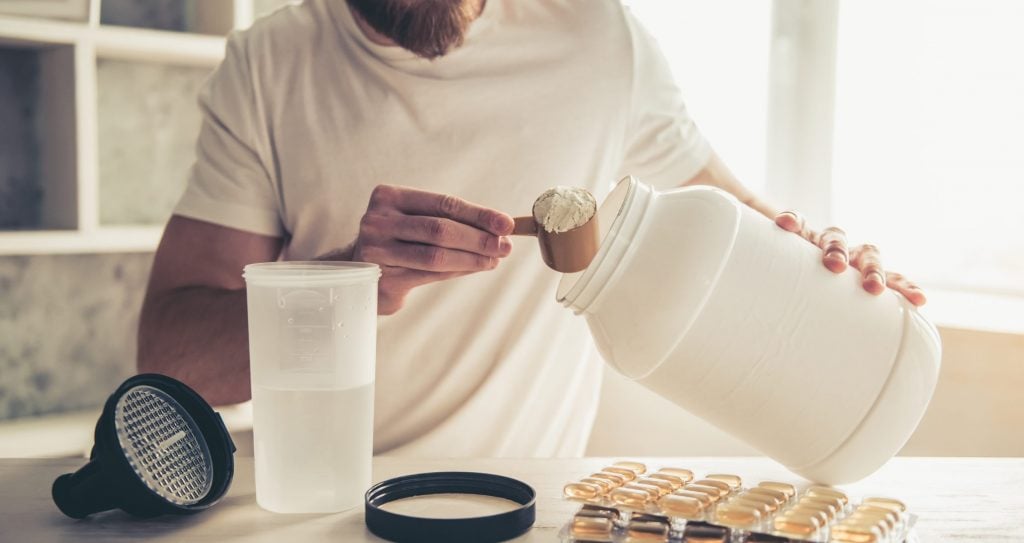
One reason people think creatine prevents weight loss is because scale weight may increase in the first week. While people think this is instant fat gain or bloat, that is just a myth.
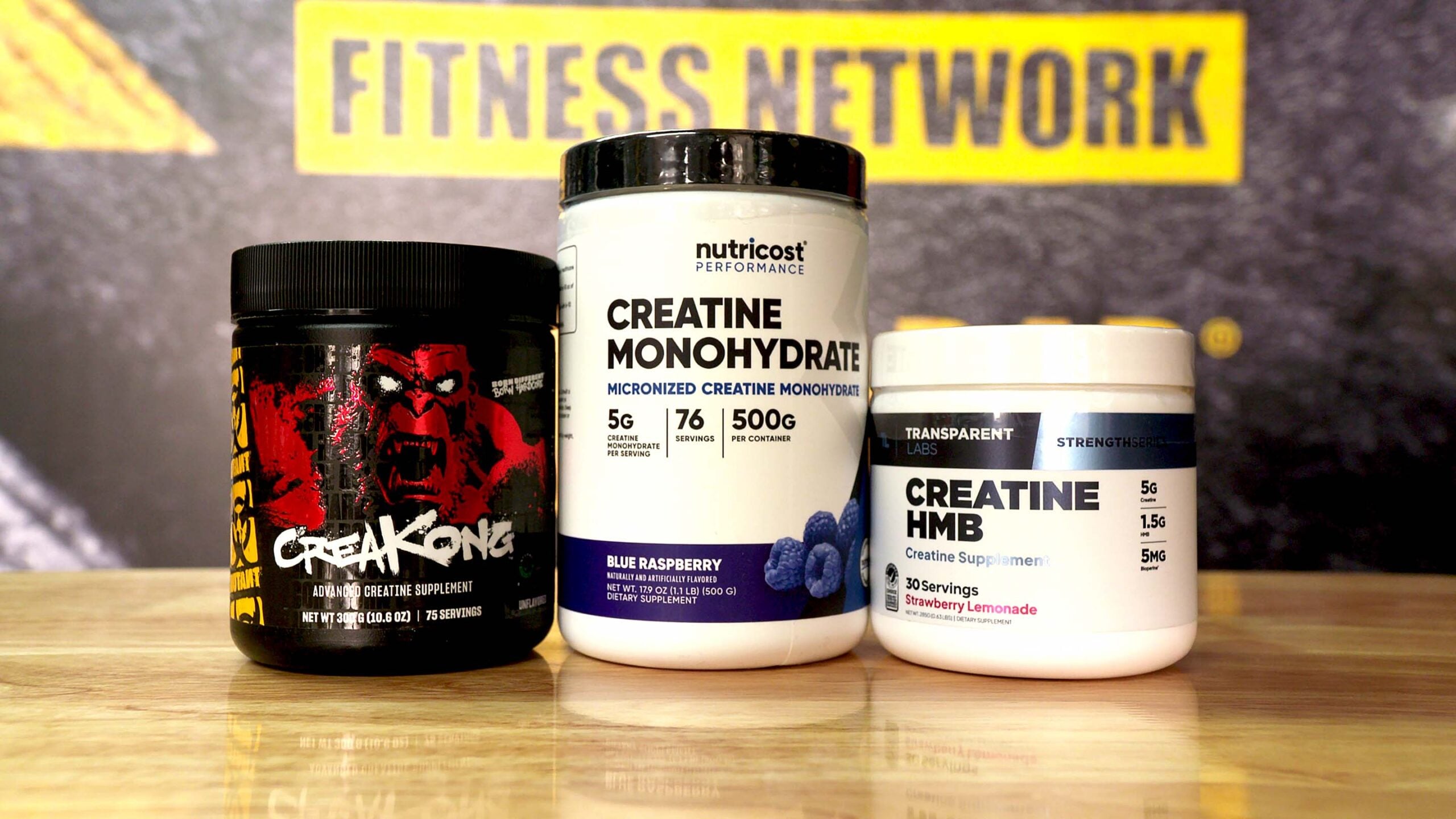
Traditional creatine monohydrate can cause:
- 1–3 pounds of intracellular water retention
- Slight body weight fluctuations
This water is stored inside muscle cells — not as fat — but it can temporarily mask fat loss progress on the scale.
For people focused heavily on numbers, this can feel discouraging.
That’s why formula selection matters.
A Leaner Approach to Creatine Supplementation

Fit and Lean My Creatine offers a creatine supplement to keep bloating to a minimum.
If your goal is fat loss while staying lean and defined, choosing a more advanced creatine formula can help minimize unnecessary water retention. One option designed specifically with this goal in mind is Fit and Lean My Lean Creatine.
Instead of relying solely on creatine monohydrate, this formula uses a clinically researched 3:1 ratio of creatine monohydrate and Guanidinoacetic Acid (GAA).
Why the Creatine + GAA Combination Matters
Guanidinoacetic Acid (GAA) is a direct precursor to creatine in the body. Supplementing with GAA alongside creatine monohydrate may improve overall creatine synthesis and uptake.
Clinical findings on this complex suggest:
- Up to 8.5x greater muscle creatine concentrations compared to creatine monohydrate alone*
- Up to 3.8x greater creatine levels in brain tissue*
- Reduced weight gain and water retention compared to traditional creatine supplementation*
This is important for individuals focused on fat loss because:
- You still get strength and performance benefits
- You minimize excessive water-related scale increases
- You maintain a leaner appearance
Creatine and Metabolism
While creatine doesn’t directly raise metabolic rate, it supports metabolic health through muscle preservation. Muscle tissue is metabolically active. The more lean muscle you carry, the more calories you burn at rest.
By helping preserve and build muscle, creatine supports:
- Higher resting energy expenditure
- Better insulin sensitivity
- Improved nutrient partitioning
Over time, this contributes to a more efficient fat-loss environment.
Cognitive Support During Fat Loss

Calorie deficits can sometimes lead to:
- Brain fog
- Low motivation
- Mental fatigue
Creatine also plays a role in brain ATP production. Increased creatine levels in brain tissue may support:
- Focus
- Cognitive performance
- Mental clarity under stress
Because My Lean Creatine enhances creatine levels in both muscle and brain tissue, it supports total performance — physical and mental — during demanding fat-loss phases.*
Ideal for Men and Women Focused on Staying Lean
Many women avoid creatine out of fear of “bulking up.” In reality, creatine does not cause fat gain or hormonal changes.
A formula like Fit and Lean My Lean Creatine is:
- Strong enough for men pushing heavy weight
- Ideal for women who want strength without unwanted bulk
- Designed to reduce bloating and excess weight gain*
- Made with natural ingredients and no artificial sweeteners, flavors, or colors
This makes it appealing for anyone focused on performance with a lean aesthetic.
How to Use Creatine for Fat Loss Goals
For best results:
- Take 1 level scoop daily
- Mix with 6–10 fl. oz. of cold water or your preferred beverage in your favorite shaker
- Stay consistent
- Pair with resistance training
- Maintain a moderate calorie deficit
- Prioritize protein intake
There is no need for a loading phase.
Consistency over time produces results.
So, Does Creatine Cause Weight Loss?
Here’s the honest breakdown:
Creatine does not directly cause fat loss.
However, it:
- Preserves lean muscle during dieting
- Maintains strength and performance
- Enhances training intensity
- Supports body recomposition
- May reduce unwanted water retention when using advanced formulas*
In other words, creatine doesn’t burn fat — but it creates the conditions that make fat loss more effective and sustainable.
Final Verdict

If your goal is to lose fat while maintaining strength and muscle definition, creatine is not something to avoid — it’s something to use intelligently.
Choosing a clinically researched formula like Fit and Lean My Lean Creatine allows you to:
- Maximize muscle and brain creatine levels*
- Increase strength and performance*
- Support cognitive function*
- Minimize bloating and excess weight gain compared to traditional creatine*
Fat loss isn’t just about the number on the scale. It’s about looking leaner, staying strong, and performing at your peak. Used correctly, creatine can absolutely support that goal.
Let us know what you think in the comments below. Also, be sure to follow Generation Iron on Facebook, Twitter, and Instagram.
References
Buford, Thomas W., et al. “International Society of Sports Nutrition Position Stand: Creatine Supplementation and Exercise.” Journal of the International Society of Sports Nutrition, vol. 4, no. 6, 2007, pp. 1–8.
Candow, Darren G., et al. “Effect of Creatine Supplementation During Resistance Training on Lean Tissue Mass and Muscular Strength in Older Adults: A Meta-Analysis.” Open Access Journal of Sports Medicine, vol. 10, 2019, pp. 213–226.
Chilibeck, Philip D., et al. “Effect of Creatine Supplementation During Resistance Training on Lean Tissue Mass and Muscular Strength in Older Adults: A Meta-Analysis.” Sports Medicine, vol. 47, no. 5, 2017, pp. 917–927.
Kreider, Richard B., et al. “International Society of Sports Nutrition Position Stand: Safety and Efficacy of Creatine Supplementation in Exercise, Sport, and Medicine.” Journal of the International Society of Sports Nutrition, vol. 14, no. 18, 2017, pp. 1–18.