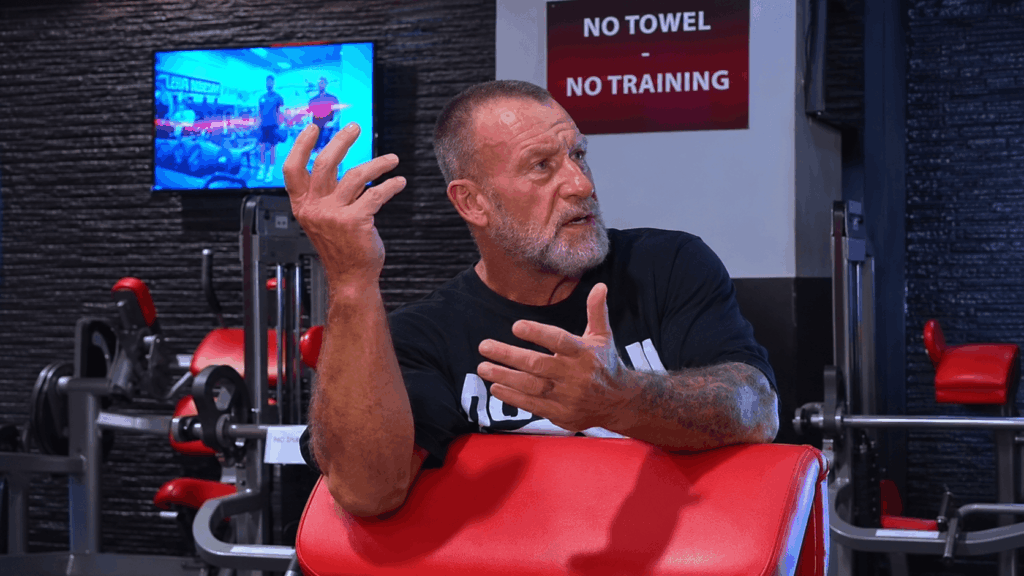
The six-time Mr. Olympia champion warns that preacher curls place unnecessary stress on the biceps tendon
Six-time Mr. Olympia champion Dorian Yates is warning lifters to reconsider one of the most popular biceps exercises in the gym. The bodybuilding legend recently criticized preacher curls, arguing that the movement puts excessive stress on the biceps tendon without delivering consistent resistance throughout the exercise.
In an Instagram video shared on October 28, Yates explained why he believes preacher curls are a poor choice for muscle growth. He also recommended two alternatives that he considers more effective for developing the biceps.
Dorian Yates Explains Why He Avoids Preacher Curls
Yates has never been afraid to challenge traditional bodybuilding methods. During his competitive career, the British bodybuilder became famous for his high-intensity training approach, emphasizing maximum effort, controlled repetitions, and relatively low training volume.

That philosophy helped him capture six consecutive Mr. Olympia titles from 1992 through 1997.
Now, Yates is applying the same critical approach to preacher curls, an exercise commonly used to isolate the biceps by supporting the upper arms against an angled pad.
“Never ever f***ing do this exercise. Never.”
His main concern is how resistance changes throughout the movement. According to Yates, preacher curls place considerable tension on the biceps tendon near the bottom of the repetition, while offering much less resistance as the weight approaches the top.
“Very unproductive and dangerous at the same time,” he said.
The warning carries additional significance given Yates’ own injury history. The former champion suffered serious muscle tears during his bodybuilding career, including injuries to his biceps and triceps.
However, his criticism reflects his personal training philosophy rather than an established conclusion that preacher curls are inherently unsafe. The exercise remains widely used for biceps development, with technique, loading, and individual anatomy playing important roles in injury risk.
Yates Recommends Two Alternatives for Bigger Biceps
Rather than relying on preacher curls, Yates prefers exercises that provide a more favorable resistance profile.
His first choice is a Nautilus biceps curl machine, which uses a specially designed resistance mechanism to change the load throughout the movement.
“A Nautilus machine is the same tension through the whole movement,” Yates explained.
He believes this design allows lifters to challenge their biceps more consistently instead of experiencing a sharp drop in resistance near the top of a repetition.
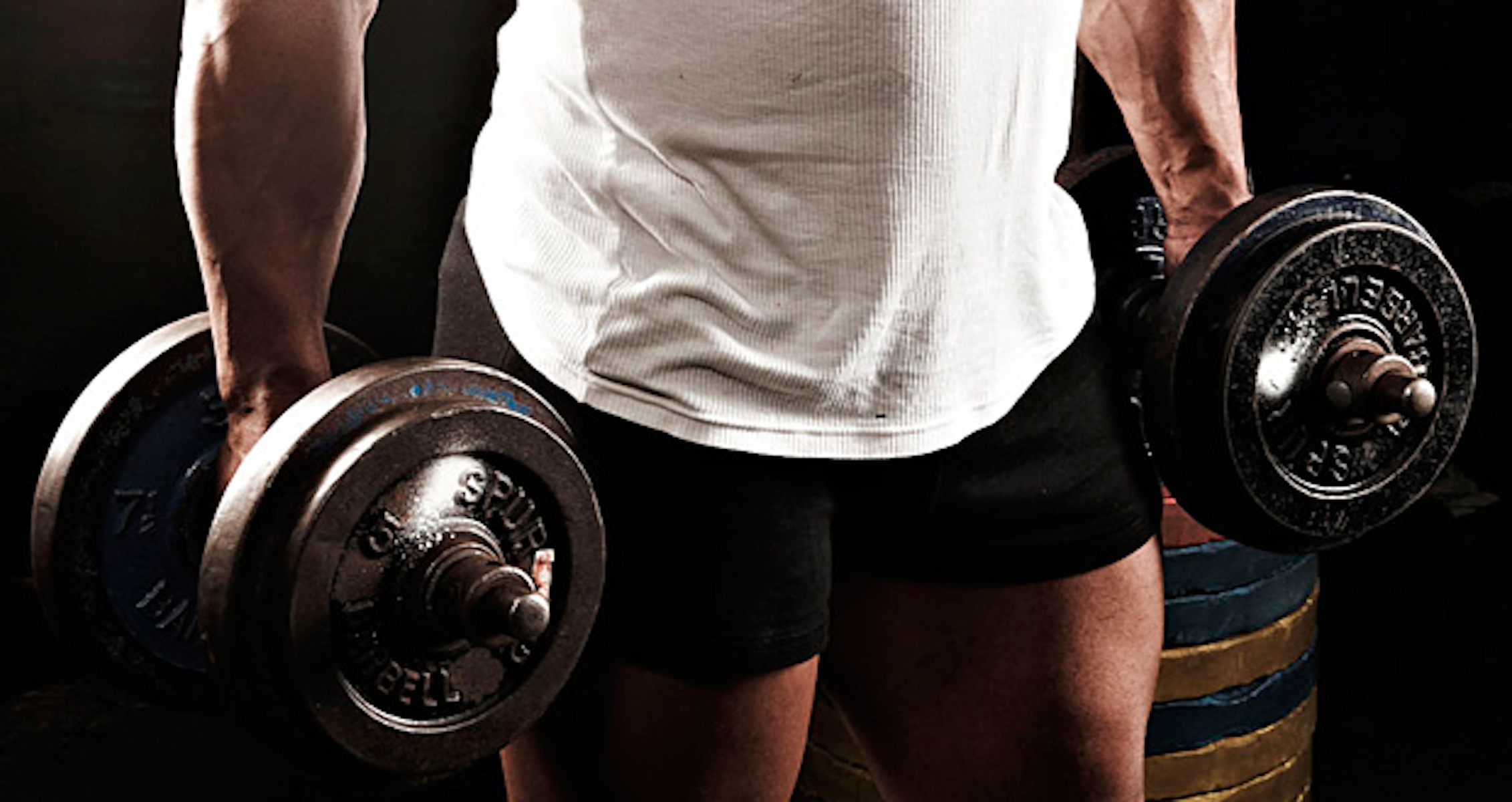
Yates also recommends dumbbell concentration curls, which allow lifters to isolate the biceps while keeping the upper arm relatively stationary.
Yates also suggested adjusting the arm position to approximately 90 degrees as another option.
Not Every Bodybuilding Legend Agrees
Yates’ position is far from universal among bodybuilding’s greatest champions.
Seven-time Mr. Olympia Arnold Schwarzenegger has previously praised preacher curls for their ability to challenge the biceps, particularly when compared with certain other curling variations.
The disagreement highlights how even elite bodybuilders can reach different conclusions about exercise selection.
Preacher curls can provide a substantial stimulus for muscle growth, particularly when performed with controlled technique and an appropriate weight. Research on resistance training also suggests that challenging muscles at longer lengths can be beneficial for hypertrophy, although that does not eliminate the potential risks of excessive loading.
For Yates, the priority remains finding exercises that deliver a strong muscular stimulus without unnecessary stress on vulnerable joints and tendons.
Decades after his final Mr. Olympia victory, the bodybuilding icon continues to share the training principles that helped him build one of the most formidable physiques in the sport.
Header image embed via Instagram @thedorianyates