Best Exercises to Build Strong, Balanced Shoulders
Face pulls are one of the most popular exercises for developing the rear deltoids, rotator cuff, and upper back muscles. However, not everyone has access to a cable machine—or can perform face pulls comfortably due to shoulder limitations. Fortunately, there are several effective face pull alternatives that deliver similar benefits for posture, shoulder health, and upper body strength.
In this guide, our team at Generation Iron is going to explore why face pulls are so effective, the muscles they target, and the best exercises to use as alternatives.
Why Face Pulls Are Important
Face pulls are designed to strengthen the rear deltoids, rhomboids, and external rotators of the shoulders. These muscles are critical for maintaining proper posture, improving shoulder stability, and balancing out the pressing movements that dominate most upper-body routines.
When performed correctly, face pulls help:
- Prevent shoulder injuries caused by muscular imbalances
- Improve overall posture and scapular control
- Enhance performance in bench pressing, overhead pressing, and pulling movements
If you can’t perform face pulls due to equipment limitations or discomfort, the following alternatives can keep your training balanced and effective.
1. Band Pull-Aparts

Muscles Worked: Rear delts, rhomboids, traps
How to Do It:
- Hold a resistance band at shoulder height with your arms straight.
- Pull the band apart until it touches your chest, squeezing your shoulder blades together.
- Slowly return to the starting position.
Why It’s a Great Alternative:
Band pull-aparts mimic the face pull’s range of motion and target the same stabilizing muscles. They’re also easy to do anywhere, making them an ideal choice for home or travel workouts.
2. Reverse Dumbbell Flyes
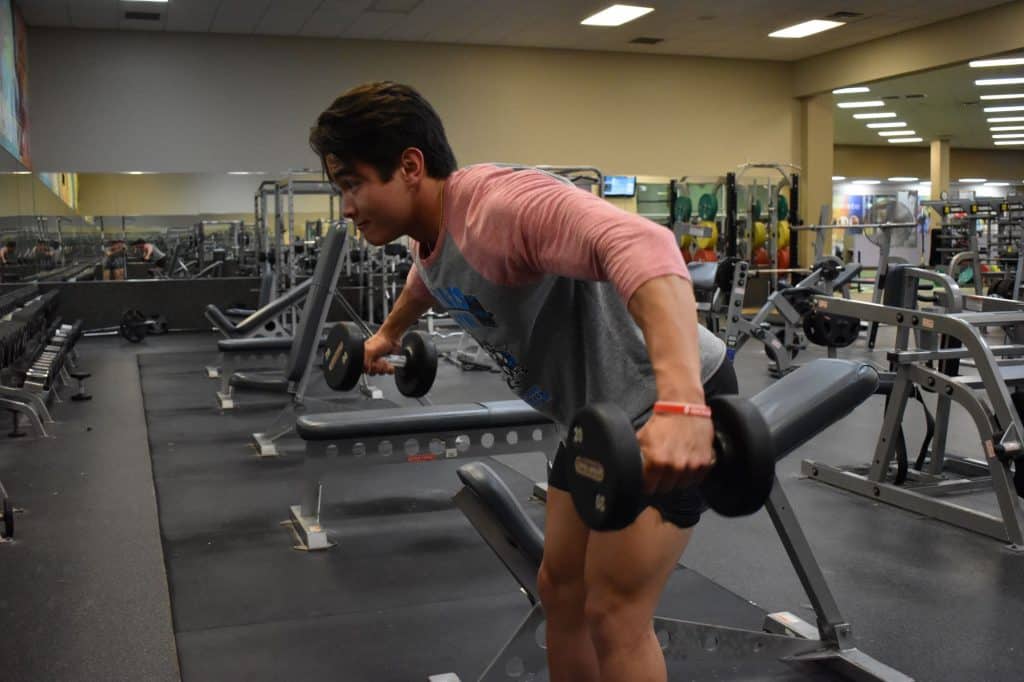
Muscles Worked: Rear delts, traps, rhomboids
How to Do It:
- Hold a pair of dumbbells and hinge at the hips with a flat back.
- With a slight bend in your elbows, raise the weights out to your sides until they’re parallel to the floor.
- Lower them slowly and repeat.
Why It’s a Great Alternative:
Reverse flyes emphasize the rear deltoids and upper back, helping improve posture and shoulder stability. They’re a simple but highly effective face pull replacement.
3. Rear Delt Rows
Muscles Worked: Rear delts, lats, traps
How to Do It:
- Use dumbbells, a barbell, or cables.
- Bend at the hips and pull the weight toward your upper chest or collarbone with elbows flared out.
- Squeeze your shoulder blades at the top before lowering.
Why It’s a Great Alternative:
By changing the angle of your row and flaring your elbows, you target the same muscles as a face pull while building strength through a greater range of motion.
4. Cable External Rotations
Muscles Worked: Rotator cuff, rear delts
How to Do It:
- Stand sideways to a cable machine with the handle set at elbow height.
- Keep your elbow bent at 90 degrees and rotate your arm outward, away from your body.
- Slowly return to the starting position.
Why It’s a Great Alternative:
Cable external rotations directly strengthen the rotator cuff—the small stabilizing muscles that play a huge role in shoulder health and performance.
5. Bent-Over Rear Delt Cable Fly
Muscles Worked: Rear delts, traps, rhomboids
How to Do It:
- Set the pulleys at the lowest setting and grab opposite handles.
- Bend at the waist and keep your back flat.
- Pull the cables out to your sides, keeping a slight bend in the elbows.
- Squeeze at the top, then return to the start position.
Why It’s a Great Alternative:
This movement closely replicates the face pull while offering constant tension from the cables—ideal for building muscle and improving control.
6. T-Bar Rows (Wide Grip)

Muscles Worked: Lats, traps, rear delts
How to Do It:
- Grab a T-bar handle with a wide grip.
- Pull the bar toward your upper chest, keeping your elbows out.
- Squeeze your upper back before lowering under control.
Why It’s a Great Alternative:
The wide grip shifts emphasis toward the upper back and rear delts, promoting balanced shoulder development similar to face pulls.
7. Prone Y-T-W Raises
Muscles Worked: Rear delts, traps, rotator cuff
How to Do It:
- Lie face down on a bench or stability ball.
- Lift your arms into a “Y” shape, then a “T,” then a “W,” pausing briefly in each position.
- Keep movements controlled and focus on squeezing your upper back.
Why It’s a Great Alternative:
This bodyweight exercise improves posture, mobility, and muscle endurance in the same stabilizing muscles face pulls develop.
Tips for Replacing Face Pulls
- Prioritize control over weight: Focus on form, slow eccentrics, and squeezing the rear delts.
- Include at least one external rotation movement weekly to keep the shoulders healthy.
- Balance push and pull training: For every press, include a pulling movement to prevent rounded shoulders.
Conclusion
While face pulls are a top-tier shoulder and upper back exercise, you don’t need a cable machine to build strength and stability. Band pull-aparts, reverse flyes, and other alternatives can offer the same benefits—sometimes with greater flexibility and comfort.
Incorporating these face pull alternatives into your training routine will help you maintain healthy shoulders, better posture, and a more balanced physique—whether you’re training at home or in the gym.
Let us know what you think in the comments below. Also, be sure to follow Generation Iron on Facebook, Twitter, and Instagram.