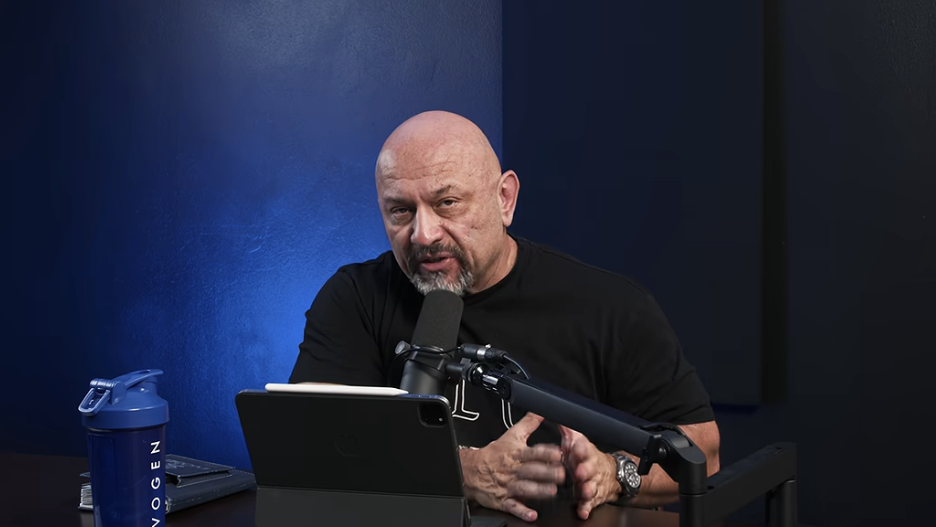
Hany Rambod explains why weight training and protein intake are essential for bodybuilders using popular weight-loss medications like Ozempic.
GLP-1 medications have become increasingly popular for weight loss, but legendary bodybuilding coach Hany Rambod is warning athletes about one of the biggest risks associated with their use: losing hard-earned muscle. During a recent episode of his The Truth Podcast, the 25-time Olympia-winning coach discussed the growing popularity of peptides. He explained why bodybuilders must prioritize resistance training and adequate protein intake if they decide to use GLP-1 medications.
Hany Rambod Warns Bodybuilders About Muscle Loss While Taking GLP-1 Drugs
GLP-1 medications such as Ozempic have transformed the weight-loss industry by helping individuals control their appetite and reduce their overall calorie intake. However, Rambod believes bodybuilders need to approach these medications differently from the average person.
He explained that medications such as Ozempic were initially used to treat diabetes before their appetite-suppressing effects helped drive their popularity for weight management.

Rambod also pointed out that there are now several medications available in this category, making it important for individuals to consult qualified medical professionals before deciding which treatment might be appropriate.
“So as you work with your qualified physician, they’re going to be able to walk you through the pros and cons of each of the GLP-1s,” he explained.
However, Rambod emphasized that preserving muscle mass should be one of the biggest priorities for bodybuilders considering these medications.
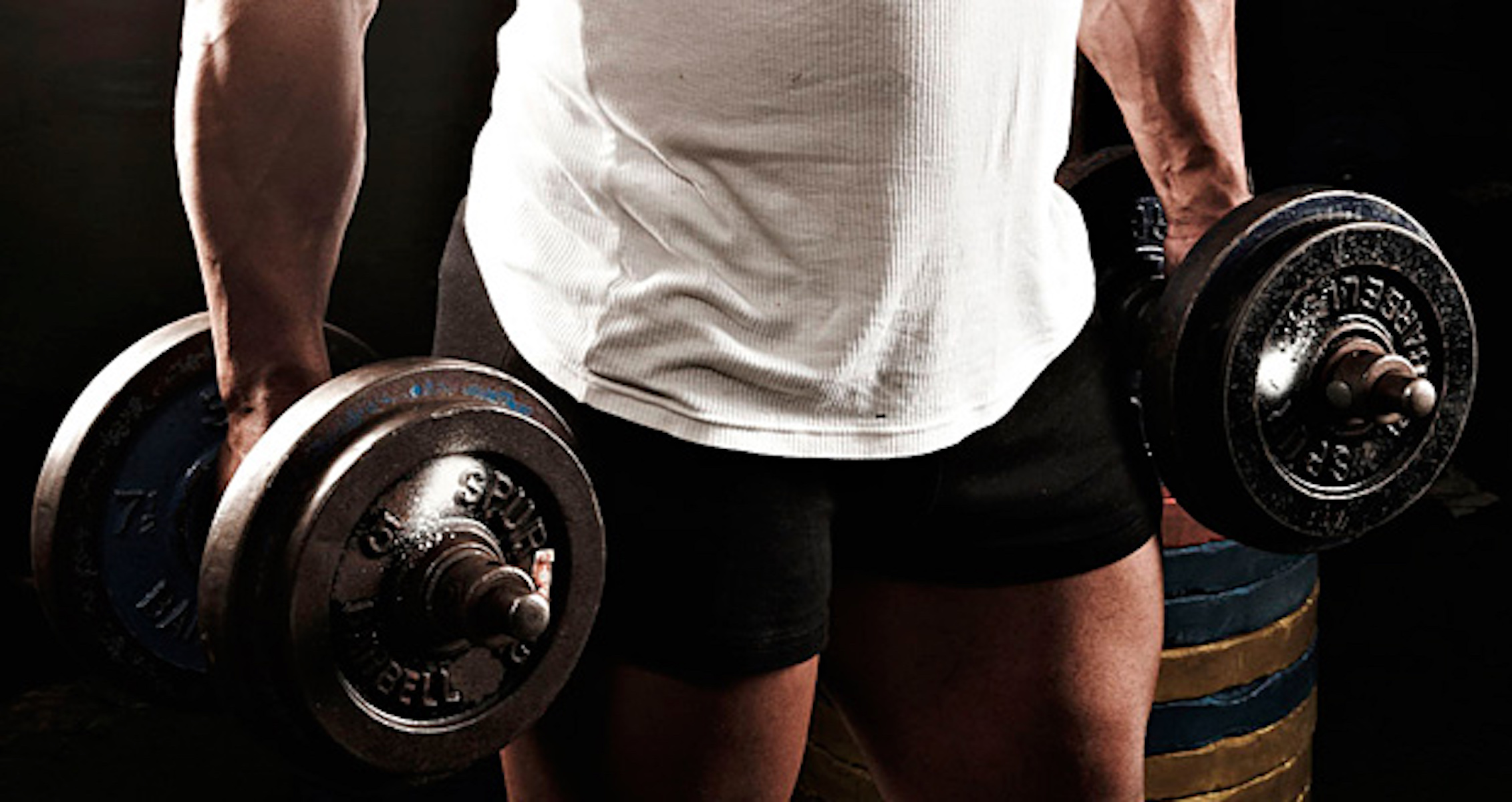
“But the thing that you have to remember is you have to make sure that you weight train and eat enough protein. Otherwise, you are at a much higher rate of muscle loss due to the fact that you simply will eat less.”
The veteran coach explained that appetite suppression can create a significant challenge for athletes who depend on consuming enough calories and protein to maintain their physiques.
When individuals begin eating less, their protein consumption may also decrease, potentially putting muscle mass at risk during weight loss.
“And when you eat less, chances are you’re going to be eating less protein. So, make sure you eat enough protein and make sure you’re training hard in the gym so you are able to also hold on to that hard-earned muscle.”
Why Protein and Resistance Training Matter When Using GLP-1 Medications
Rambod’s concerns reflect an important consideration surrounding GLP-1 medications. Although these treatments can produce substantial weight loss, some of that weight may come from lean tissue rather than body fat alone.
Research has shown that resistance training and sufficient protein intake can help preserve muscle during periods of calorie restriction. However, neither strategy guarantees that all muscle loss will be prevented.
For competitive bodybuilders, maintaining muscle mass is especially important because their success depends on maximizing muscular development while reducing body fat.
Earlier in the same podcast, Rambod discussed the importance of protein intake for building muscle, recommending at least one gram of protein per pound of body weight for athletes pursuing muscle growth.
That recommendation was made in the context of building muscle rather than as a specific requirement for everyone taking GLP-1 medications. Individual protein needs can vary depending on body composition, training demands, and medical circumstances.
Rambod’s overall message is that bodybuilders should not allow the appetite-suppressing effects of these medications to interfere with the nutritional and training habits needed to maintain their physiques.
GLP-1 Medications Continue to Generate Discussion in Bodybuilding
The increasing popularity of GLP-1 medications has sparked considerable discussion throughout the fitness industry, particularly among athletes looking to reduce body fat without sacrificing muscle.
Medications such as semaglutide and tirzepatide have demonstrated significant weight-loss benefits in clinical trials, but their effects on body composition remain an important consideration.
While GLP-1 medications can be useful treatments for appropriate patients, they are not substitutes for proper nutrition, consistent training, or medical supervision.
For Rambod, the biggest takeaway is straightforward. Bodybuilders considering GLP-1 medications must continue lifting weights and consuming enough protein to protect the muscle they have spent years developing.
His comments highlight an important distinction between simply losing weight and improving body composition, especially for athletes whose primary goal is maintaining a muscular physique.
Image embed via YouTube @hanyrambod_fst7