A Complete Guide
Whether you’ve been in the gym for awhile and decide to start competing, or you have just started at the gym for the first time and your goal is to be Mr. Olympia, starting bodybuilding as a beginner can feel confusing. There’s endless advice online about workouts, diets, supplements, and “secret” methods. But in reality, building muscle comes down to a few core principles: progressive overload, proper nutrition, and consistent recovery.
This guide from our team at Generation Iron breaks bodybuilding down into a simple, science-backed approach so beginners can build muscle mass efficiently and avoid common mistakes.
Step 1: Understand the Real Goal of Bodybuilding

Bodybuilding is not just lifting weights—it is the long-term process of building muscle size, strength, and symmetry through structured resistance training.
Research shows that muscle growth (hypertrophy) is primarily driven by mechanical tension, training volume, and progressive overload (Schoenfeld, 2010).
Core principles:
- Progressive overload
- Adequate training volume
- Proper recovery
- Sufficient nutrition
Without these, progress stalls regardless of effort.
Step 2: Start With a Simple Training Program
Beginners do not need advanced splits or complex programming. In fact, simpler programs tend to work better.
Recommended beginner splits:
- Full-body (3 days per week)
- Upper/lower split (4 days per week)
Best beginner exercises:
Focus on compound movements that recruit multiple muscle groups:
- Squats
- Bench press
- Deadlifts
- Overhead press
- Pull-ups or lat pulldowns
- Barbell or dumbbell rows
According to the American College of Sports Medicine, multi-joint movements are highly effective for improving strength and muscle development in novice lifters.
Step 3: Master Proper Form Before Heavy Weight
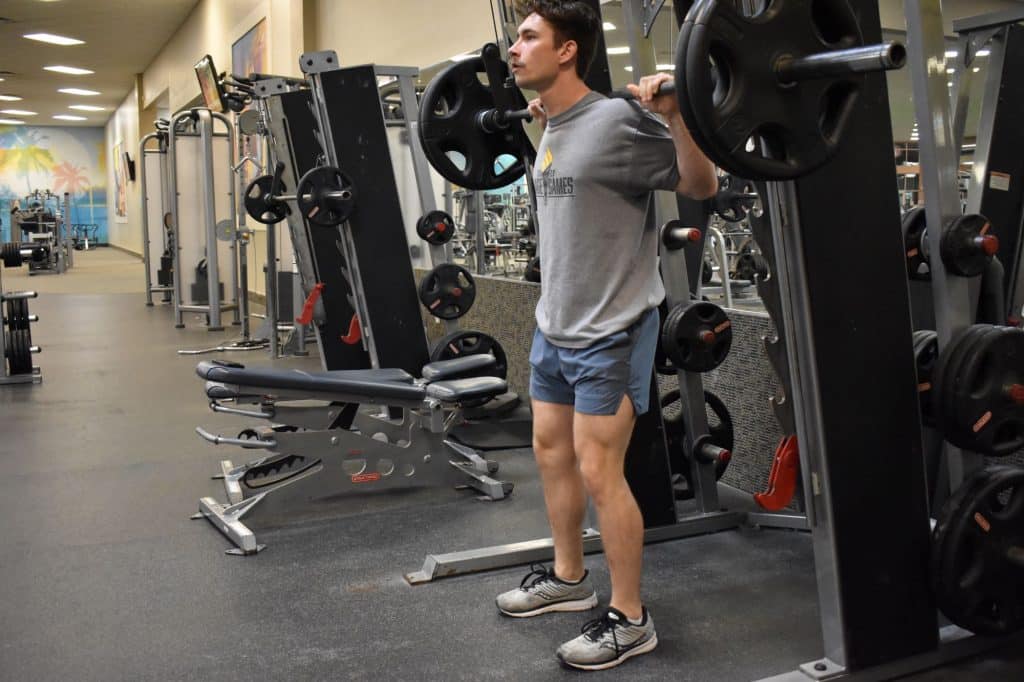
Lifting heavy too early increases injury risk and reduces long-term progress, focus on form. And if you are lifting with improper form consistently, then your muscles will not develop the way you want them to.
Learning correct technique improves:
- Muscle activation
- Movement efficiency
- Injury prevention
Motor learning research in resistance training shows that beginners improve strength significantly simply by improving coordination and technique—not just load increases (ACSM, 2009).
Step 4: Apply Progressive Overload
Progressive overload is the foundation of all muscle growth.
You can apply it by:
- Increasing weight gradually
- Adding reps over time
- Improving form and range of motion
- Increasing total training volume
A meta-analysis by James Krieger found that higher training volume is strongly associated with increased muscle hypertrophy.
Step 5: Eat for Muscle Growth
Training breaks muscle tissue down. Nutrition rebuilds it stronger.
Macronutrient targets:
- Protein: 0.8–1.2g per pound of bodyweight
- Carbohydrates: Primary energy source for training
- Fats: Support hormones and recovery
Beginner-friendly whole foods:
- Chicken, beef, eggs
- Rice, oats, potatoes
- Fruits and vegetables
- Greek yogurt
- Protein shakes when needed
Protein intake is especially important. Research by Stuart Phillips shows that sufficient dietary protein significantly supports muscle protein synthesis and recovery.
Step 6: Prioritize Recovery and Sleep

Muscle growth happens outside the gym.
Key recovery factors:
Studies consistently show that inadequate sleep reduces muscle recovery, performance, and hormonal balance (Phillips, 2014).
Step 7: Use Supplements Strategically (Not Reliance)
Supplements are not required—but they can help fill gaps.
Common beginner supplements:
- Whey protein (convenient protein source)
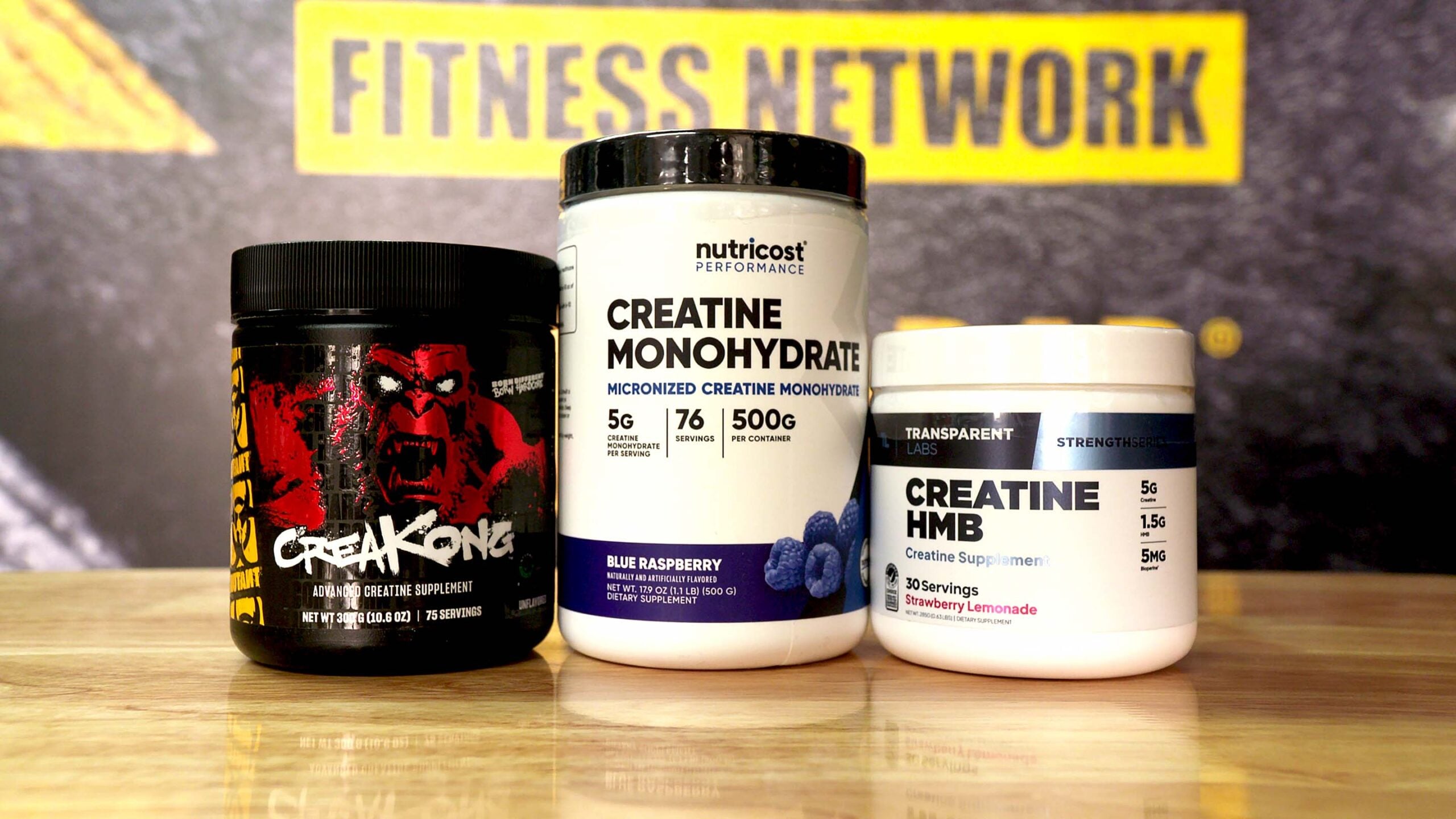
- Creatine monohydrate (strength and performance)
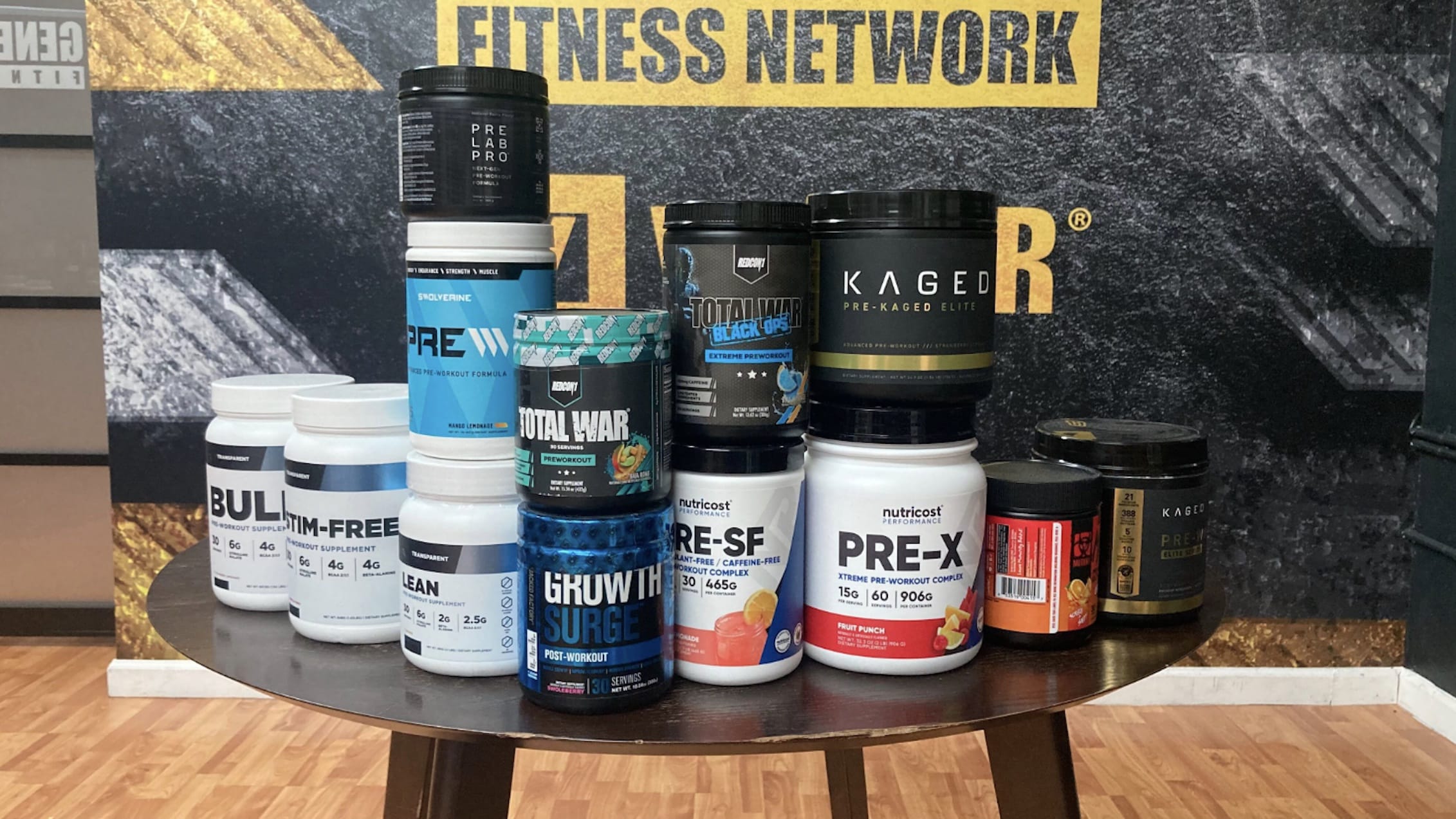
- Pre-workout (energy and focus, optional)
Creatine is one of the most researched supplements in sports science and is widely supported for improving strength and lean mass (ACSM, 2009 position stand).
Step 8: Track Your Progress
If you don’t track progress, you can’t optimize it.
Track:
- Body weight (weekly average)
- Strength improvements in lifts
- Progress photos
- Measurements (arms, chest, waist)
This helps ensure you’re actually building muscle and not just guessing.
Step 9: Avoid Common Beginner Mistakes
Most beginners fail due to avoidable issues:
- Program hopping too often
- Inconsistent training
- Not eating enough calories or protein
- Ego lifting instead of focusing on form
- Comparing progress to advanced lifters
Consistency is more important than perfection.
Step 10: Be Patient and Stay Consistent
Bodybuilding is a long-term process. It doesn’t happen overnight, the first few months are slow, but don’t leet that discourage you from continuing to train and eat right.
Typical timeline:
- 4–8 weeks: strength improvements
- 8–12 weeks: visible changes
- 6–12 months: significant physique development
Natural bodybuilding research by Eric Helms emphasizes that sustainable progress comes from long-term adherence, not short-term intensity.
Final Thoughts
Starting bodybuilding is simple, but staying consistent is the real challenge. Focus on mastering the basics: train with structure, eat enough to grow, and recover properly.
For beginners following Generation Iron, the goal is not to do everything at once—it’s to build a system that supports long-term growth.
Let us know what you think in the comments below. Also, be sure to follow Generation Iron on Facebook, Twitter, and Instagram.
References
- Schoenfeld, B. J. (2010). The mechanisms of muscle hypertrophy and their application to resistance training. Journal of Strength and Conditioning Research.
- American College of Sports Medicine (2009). Progression Models in Resistance Training for Healthy Adults.
- Krieger, J. W. (2010). Single vs multiple sets of resistance exercise for hypertrophy: a meta-analysis.
- Phillips, S. M. (2014). Dietary protein and muscle protein synthesis in humans.
- Helms, E. R. (2014). Evidence-Based Recommendations for Natural Bodybuilding Contest Preparation.