Jeff Cavaliere Shares 11 Pieces of Fitness Advice Learned Over 25 Years
Fitness advice is everywhere, but few coaches can condense decades of experience into lessons that are both practical and easy to understand. In a recent YouTube Short, Athlean-X founder Jeff Cavaliere shared what he described as “25 years of fitness advice in 60 seconds.” While the clip moved quickly, several key takeaways stood out for lifters looking to build muscle, stay healthy, and make long-term progress.
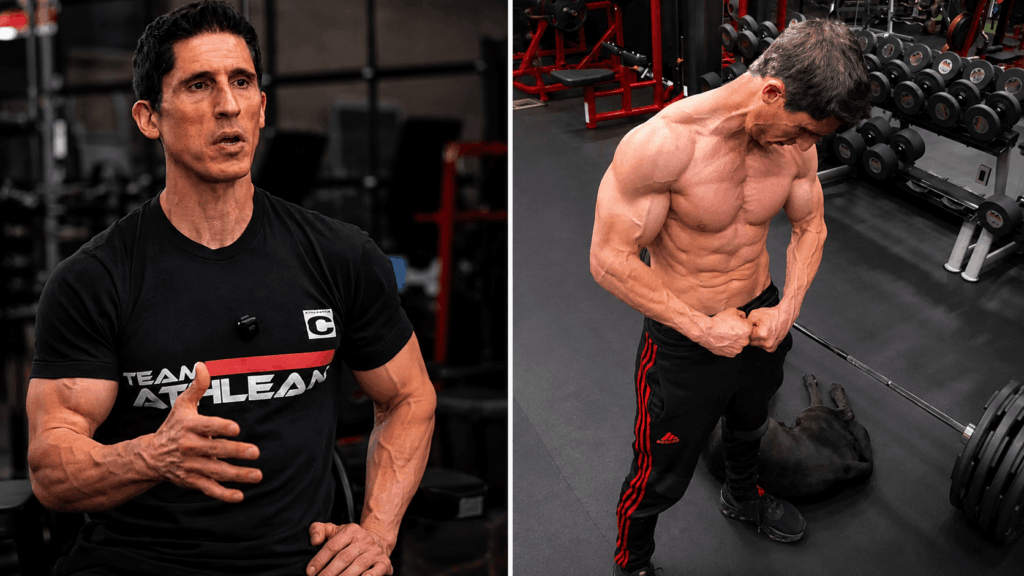
Cavaliere is one of the most recognizable fitness educators in the world. A former head physical therapist and assistant strength coach for the New York Mets, he built Athlean-X into one of the largest fitness brands online by blending science-based training principles with practical coaching advice that appeals to everyone from beginners to elite athletes.
Here are 11 of the most valuable lessons from his rapid-fire list.

1. Injuries Are Road Closures, Not City Shutdowns
One injury doesn’t mean your fitness journey is over. Smart athletes learn to adjust training around limitations rather than abandoning exercise altogether. A shoulder injury might mean more lower-body work, while a knee issue could shift focus to upper-body training and rehabilitation.
“You got to find the detour and keep moving.”
2. Change Your Training Split Before Your Body Forces You To
Many lifters become attached to a specific routine even when progress stalls. Sometimes the best program isn’t a revolutionary new method, it’s simply a fresh stimulus that challenges the body in a different way.
“The workout split you haven’t done in over a year will probably work better than the one you refuse to leave.”
3. Nutrition Is Simple, Just Not Easy
This may be one of the most important truths in fitness.
Most people know what healthy eating looks like. The challenge isn’t understanding nutrition, it’s consistently making good choices day after day, especially when life gets busy.
4. The Real Test Happens During The Other 23 Hours
Training is only part of the equation. Recovery, sleep, hydration, stress management, and food choices ultimately determine whether the work done in the gym translates into results.
“The workout’s just one hour. The real test is the other 23.”
5. Training To Failure Can Work, If Recovery Keeps Up
According to Cavaliere, training to failure remains one of the most reliable ways to ensure a muscle receives enough stimulus for growth.
However, there’s a catch: recovery must match the effort. Without adequate sleep, nutrition, and rest, constantly pushing to failure can quickly become counterproductive.
6. Tight Muscles Often Need Better Movement, Not More Stretching
Many lifters immediately reach for a stretching routine when something feels tight.
Cavaliere argues that the solution is often improving range of motion during exercises already being performed. Full-depth squats, controlled presses, and properly executed rows can frequently address mobility issues better than endless stretching sessions.
7. Age Isn’t An Alibi For Effort
While training methods should evolve over time, effort should not disappear. Older athletes may need smarter recovery strategies, but they can still train hard and continue making progress.
“Age isn’t an alibi for effort.”
8. Train Hard, Not Stupid
“You don’t stop training hard. You just stop training stupid.”
Experience teaches lifters that progress doesn’t require reckless loading, sloppy form, or ego lifting. Longevity often comes from making smarter decisions while maintaining intensity.
9. If You Can’t Control The Weight, It’s Too Heavy
Cavaliere offered a simple rule of thumb:
“If you can’t stop the weight at any point during the rep and hold it, then it’s probably too heavy.”
The ability to control a weight throughout the full range of motion is often a better indicator of proper loading than whatever number happens to be on the bar.
10. Know The Difference Between Muscle Soreness And Joint Pain
While delayed-onset muscle soreness is a normal part of training, persistent joint pain can be a warning sign. Learning the difference may help lifters avoid injuries before they become serious setbacks.
11. Carbs Don’t Make You Fat, Calories Do
For decades, carbohydrates have been blamed for weight gain, but Cavaliere argues the real culprit is consuming more calories than the body burns. He also adds an important caveat: carb-heavy foods can make it easier for some people to overeat. The takeaway isn’t to fear carbohydrates, but to understand portion control and total calorie intake. For athletes and bodybuilders, carbohydrates remain one of the body’s preferred fuel sources for performance and recovery.
Bonus Advice: Keep Supplements In Perspective
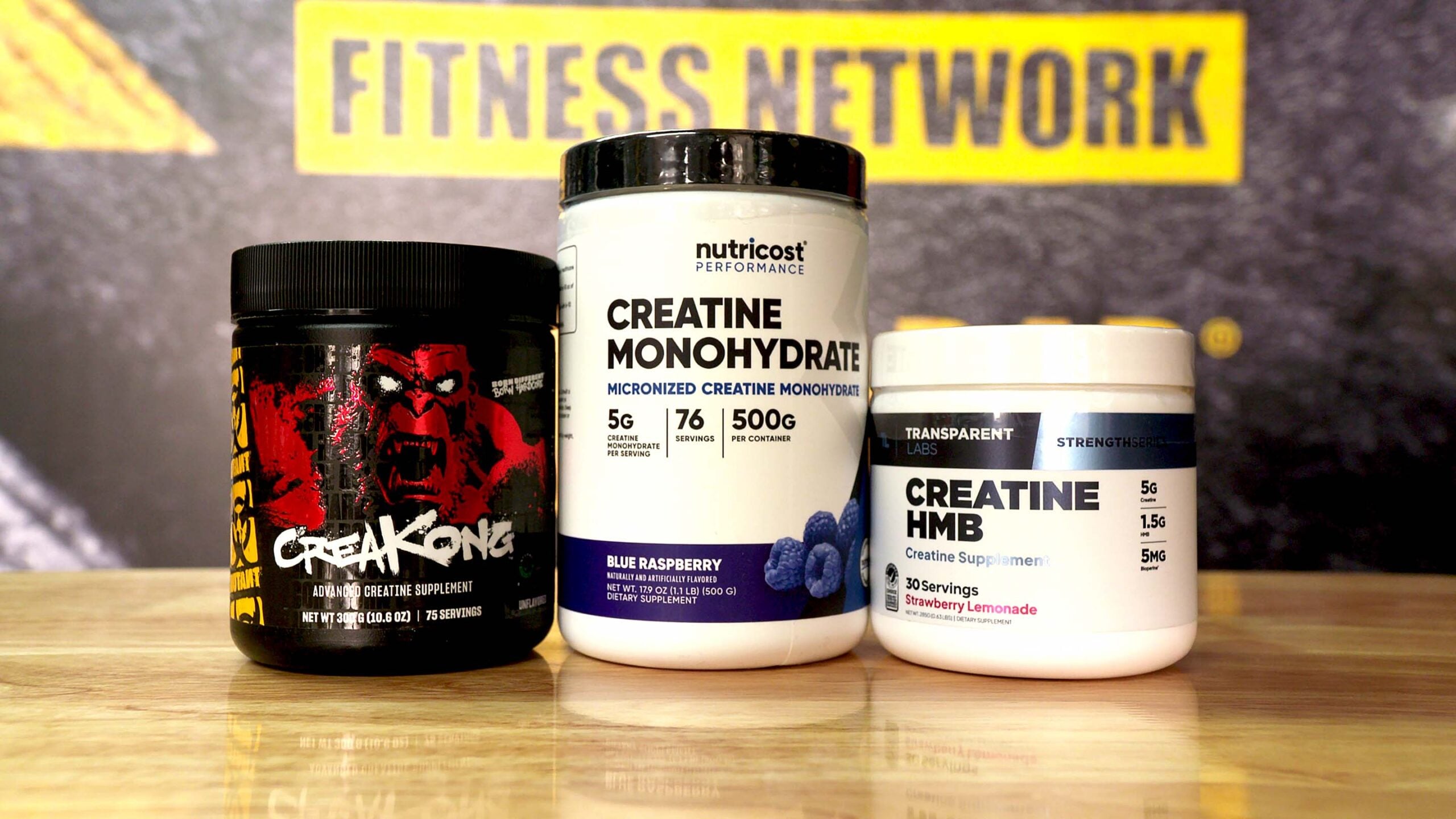
Cavaliere also noted that most supplements are optional, but identified three he considers closest to “non-negotiable”:
- Creatine
- Omega-3 fatty acids
- Protein supplementation when needed
After 25 years in the fitness industry, Cavaliere’s message is clear: long-term success comes less from secret training techniques and more from consistency, recovery, smart decision-making, and avoiding the mistakes that derail progress. Whether you’re a beginner or a veteran lifter, many of the lessons he shared can help keep you progressing while staying healthy enough to train for years to come.
Featured image via Instagram @ATHLEANX