Kai Greene reminisces about how he used to max out at 800 pound squats as a teenager
In this episode of the The Kai Greene Effect, Kai Greene touched upon conversations ranging from division debates in bodybuilding to Kevin Levrone’s views on pro cards, to training insights from Tom Platz, and another lightning round of fan questions. Most notably, Kai Greene shares the most he ever squatted in his life – and how he thinks it stunted his height as a bodybuilder.
Here’s a brief breakdown of the topics discussed this week:
- Kai Greene pushes back on Andre Ferguson’s statement about Men’s Physique and Women’s Bikini.
- Kai reacts to Kevin Levrone and the debate about pro cards. How many are too many?
- What is Kai’s heaviest squat? And did it stop him from being a six foot tall bodybuilding mass monster?
- How Tom Platz changed leg development forever in bodybuilding.
- Kai recounts the time that he lost 30 pounds in one day using sodium loading and water restriction.
You can watch the full episode of the Kai Greene Effect above. Keep reading for a more detailed overview of the topics discussed. Let’s dive in!
Andre Ferguson Defends Men’s Physique and Bikini Divisions
One of the most talked-about moments came when Men’s Physique competitor Andre Ferguson passionately defended the Men’s Physique and Bikini divisions. Ferguson argued that when he entered bodybuilding, the industry was struggling. According to him, these newer categories injected life into the sport, bringing in new athletes, larger audiences, and increased revenue. In his words:
“When I entered bodybuilding it was a dying business… The League wouldn’t be here without Men’s Physique or Bikini.”
Kai Greene acknowledged Ferguson’s right to share his opinion but pointed out the responsibility public figures carry when speaking about the sport and its community. Kai explained that when you’ve benefited from the bodybuilding industry, it’s important to be thoughtful about how you frame criticisms.
That said, Kai also admitted to his bias. Coming from a Men’s Open background, he still sees it as the heart of bodybuilding. Historically, it was the original and only category. Without Men’s Open, no other divisions would have existed. For him, when fans imagine bodybuilding in its purest form, they see Men’s Open physiques.
Co-host Vlad added a financial perspective, arguing that Ferguson had a point. From a business standpoint, more divisions mean more athletes, more entry fees, more ticket sales from friends and families, and a wider fanbase. Without these categories, bodybuilding might not generate enough revenue to sustain itself.
Kai wrapped the segment by recognizing both sides. He still believes Men’s Open holds the sport’s essence, but he acknowledged that what bodybuilding looks like in people’s imaginations depends on which division they connect with most.
Kevin Levrone on Pro Cards: “The Cream Will Always Rise to the Top”
The conversation then turned to Kevin Levrone’s bold stance on pro cards. Levrone stated that he doesn’t care how many pro cards are handed out—whether it’s 300 or 1,000—because only one person can win the Olympia. In his view, the best will always rise to the top regardless of how many pros exist.
Kai Greene partly agreed but had reservations. He values the prestige of becoming a pro and fears that giving out too many cards could water down the achievement. At the same time, he acknowledged that bodybuilding has evolved, and the business model must adapt. He admitted that some of his resistance might come from nostalgia for the era when earning a pro card was an almost insurmountable challenge.
Vlad challenged Kai by asking if he would prefer today’s system had he been an up-and-coming athlete now. Kai compared the question to comparing apples and oranges. For him, the journey of becoming a pro in the 1990s made the accomplishment feel more rewarding.
He also expressed concern that easier access to pro status attracts influencers who might split focus between social media content and true bodybuilding preparation. Kai emphasized that bodybuilding at its highest level requires complete dedication, not divided attention.
Kai Greene on His Heaviest Squat
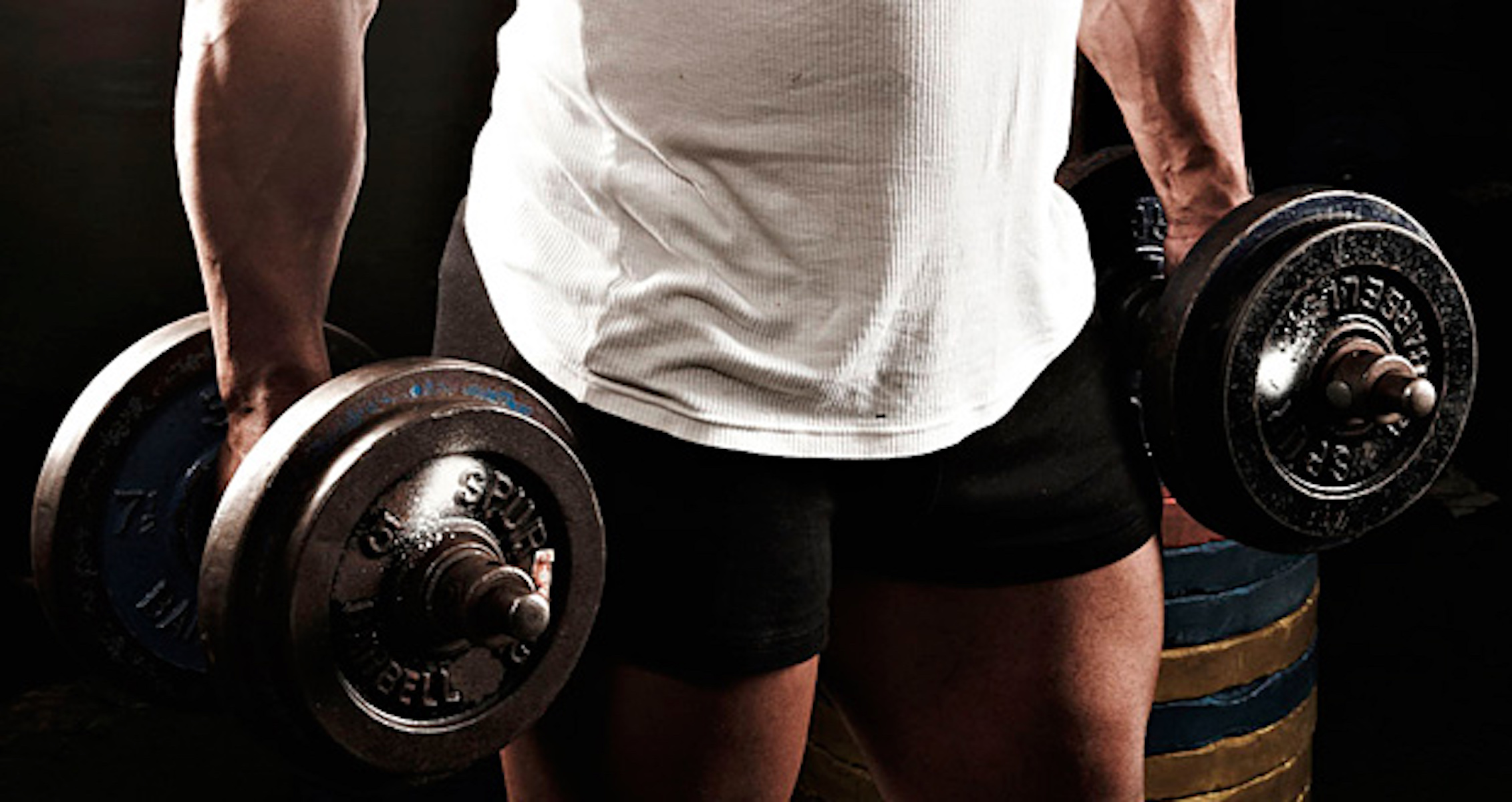
The podcast then shifted into training stories. Kai Greene shared that the heaviest squats of his life actually came when he was a teenager, not during his pro years. As a teen, he pushed into the low-to-mid 800-pound range. Once he became a pro, however, he trained smarter, focusing less on ego lifting and more on sustainable progress.
Kai even joked that his intense squatting as a teenager might have stunted his growth. At 5’8”, he speculated that his body proportions suggest he might have grown closer to six feet tall if not for his heavy squatting habits in his youth. While partly tongue-in-cheek, the story highlighted Greene’s reflective nature on training mistakes and lessons learned over time.
Tom Platz on Modern Squatting Techniques
Another highlight of the episode involved Tom Platz, often referred to as the “Quadfather.” Platz recently criticized modern squatting, claiming the technique has been “bastardized” and that athletes today fail to truly engage their quads.
While some may dismiss Platz’s comments as outdated or grumpy, Kai Greene strongly defended him. He reminded listeners that Platz revolutionized leg training and redefined what was possible in terms of leg development. Much like how Dorian Yates reshaped the standard for overall mass, Platz changed the standard for lower body development.
For Kai, Platz’s critique should not be brushed aside. Instead, today’s athletes should learn from his pioneering influence and consider his perspective seriously.
Lightning Round: Synthol, Weight Cuts, and Breakfast
The episode closed with a rapid-fire Q&A segment from fans. Here were some of the key takeaways:
1. Synthol Use in Bodybuilding
Kai Greene admitted to knowing athletes who have publicly acknowledged synthol use but said he’s never had personal conversations about it. While he generally doesn’t advocate for synthol, he understands its potential role in helping athletes with long-term injuries maintain symmetry.
2. Extreme Weight Fluctuations
Kai Greene revealed that he once lost 30 pounds in a single day through water manipulation. He discussed his experiences with sodium loading and water cutting, which caused dramatic differences in his physique from night to morning. However, he cautioned listeners to prioritize safety and noted he wouldn’t repeat those extremes again.
3. Kai Greene’s Breakfast During His Prime
When asked about his typical breakfast, Kai Greene explained that during his peak years, he often started his day with 12 egg whites. However, this wasn’t always his “first meal.” Later in the morning, he would add protein sources like chicken or tilapia. He made sure to consume at least one gram of protein per pound of body weight daily.
Wrap Up
This episode of The Kai Greene Effect showcased why Greene continues to be a respected voice in bodybuilding. He balanced nostalgia for the sport’s golden era with an openness to new perspectives, whether discussing Ferguson’s defense of Men’s Physique, Levrone’s stance on pro cards, or Platz’s training wisdom.
More than anything, the podcast underscored Greene’s role as both a historian and philosopher of bodybuilding. He honors the traditions that shaped the sport while recognizing the realities of its evolution. And as always, his reflections are sprinkled with personal anecdotes, humor, and an unmistakable passion for bodybuilding.