The powerlifting star has been unable to train his upper body for months as he recovers from back-to-back surgeries and shares an important lesson about injury prevention
Larry Wheels is working his way back from two biceps surgeries. The powerlifting star recently shared an encouraging recovery update after months away from upper-body training. He also delivered a warning to lifters about the dangers of increasing weight too quickly, explaining why tendons may struggle to keep up with growing muscle strength.
Wheels has built a career around extraordinary feats of strength. He has competed in powerlifting, strongman, bodybuilding and arm wrestling. More recently, he entered the boxing ring. However, his pursuit of new challenges has also resulted in several serious injuries.
In 2019, Wheels tore his left biceps while lifting Atlas stones during strongman training. Seven years later, he suffered another biceps injury during an August boxing match against YouTuber Vitaly Zdorovetskiy at Adin Ross’ Brand Risk 15 event.

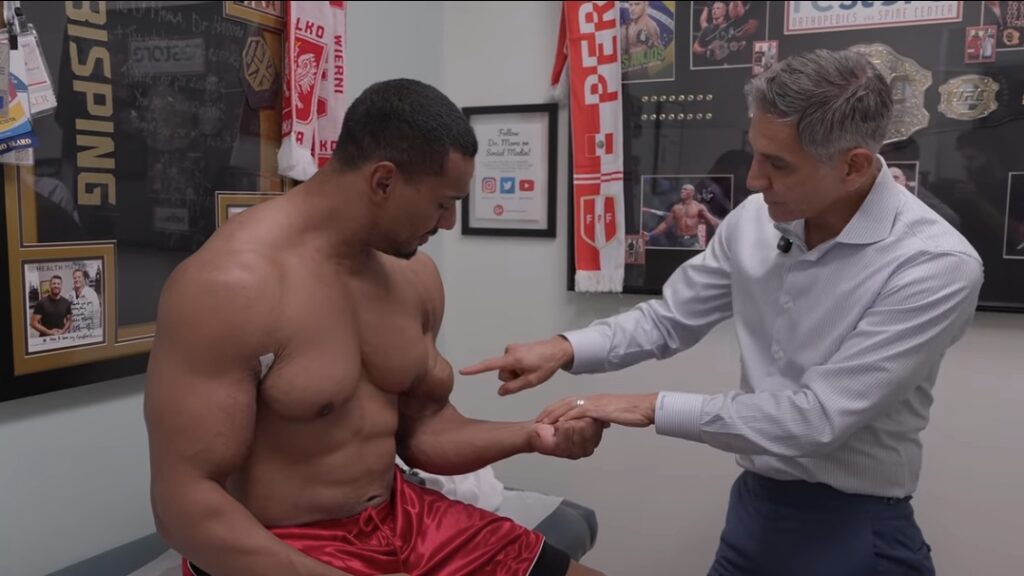
The latest injury required surgery, while his previously injured left biceps also underwent another procedure.
Larry Wheels Provides Encouraging Update After Biceps Surgeries
In an October 26 Instagram post, Wheels revealed that his left biceps had been reattached following another operation. He also shared that swelling was beginning to subside.
“This is the bicep I tore 7 years ago Steve just reattached. Swelling going down and starting to see the shape. Looks much better already.”
The injuries have forced Wheels to dramatically change his training routine. Between preparing for boxing and undergoing two surgeries, he has gone several months without lifting weights for his upper body.
“Can’t wait to get back to iron therapy. In the meanwhile i am focusing on the things I can control not what I cannot.”
Despite the setbacks, Wheels appears optimistic about his recovery and eventual return to weight training.
Larry Wheels Explains Why Tendons Tear During Heavy Lifting
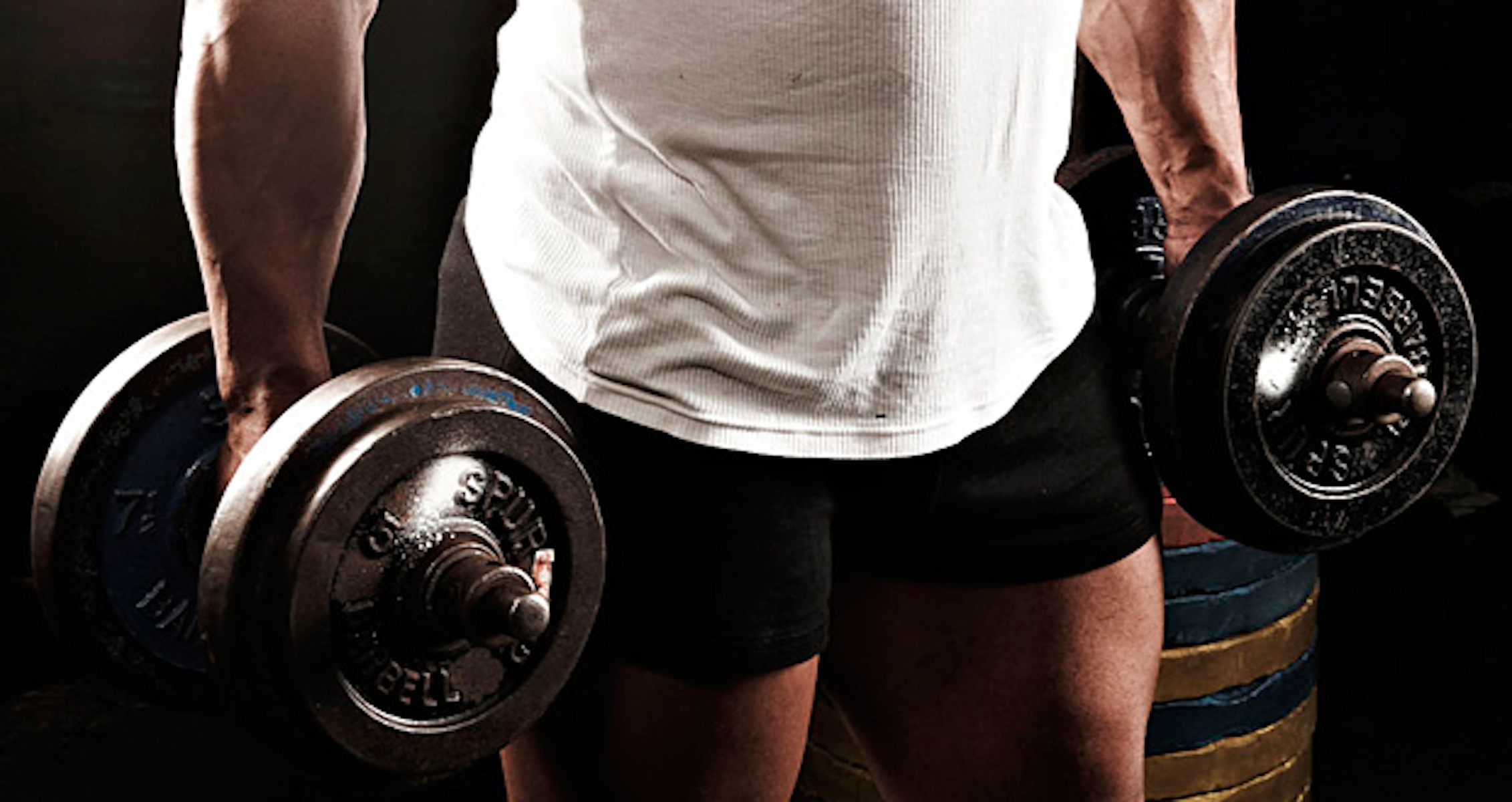
In a November 3 YouTube video, Wheels turned his attention to injury prevention. He explained that one of the biggest mistakes lifters make is assuming their tendons strengthen at the same rate as their muscles.
“The number one reason lifters tear tendons is because they don’t understand the difference between muscle adaptation and connective tissue adaptation,” Wheels explained.
According to Wheels, muscles can recover and adapt relatively quickly following intense training. Tendons and ligaments, however, respond differently to increasing workloads.
He suggested that connective tissue may require six to 12 months to develop the strength necessary to tolerate significantly heavier loads.
“When you jump your working weights up too quickly, your muscular engine is producing elite horsepower, but your chassis is still stuck.”
His message is particularly relevant to strength athletes who regularly chase personal records.
While muscles may become capable of moving heavier weights, the surrounding connective tissue may not be prepared for the additional stress. Rapid increases in training intensity can raise injury risk, particularly when combined with fatigue or inadequate recovery.
Tendons do have a blood supply, although their vascularity and adaptation rates differ from muscle tissue. The timeline for tendon strengthening also varies depending on the individual, training program and injury history.
Wheels’ broader warning is straightforward: progressive overload is important for building strength, but increasing weights too aggressively can come with serious consequences.
Could Larry Wheels Return to Competitive Bodybuilding?
Wheels has plenty of options once he is healthy enough to resume serious training.
The strength athlete recently earned his IFBB Pro card, opening the door to competing at the professional level in bodybuilding.
He has also expressed interest in potentially moving into the Men’s Open division. Wheels previously suggested that building his physique up to 300 pounds could make the challenge particularly exciting.
For now, however, his priority remains recovery.
After years of pushing his body through multiple strength sports, Wheels is using his latest setbacks to remind other lifters that building muscle and protecting connective tissue must go hand in hand.
Image embed via YouTube @larrywheels