Building Muscle With Just 3 or 6 Days
If your goal is to build serious size and strength, there are some great workout routines out there but the push pull legs routine (PPL) is one of the most effective and time-tested training splits you can follow. Whether you’re a beginner looking to structure your workouts or an experienced lifter aiming to break through a plateau, a properly designed PPL program can help you pack on lean muscle mass efficiently.
In this guide, our team at Generation Iron break down exactly how the push pull legs routine works, why it’s ideal for hypertrophy, and how to structure it for maximum mass gain.
What Is a Push Pull Legs Routine?
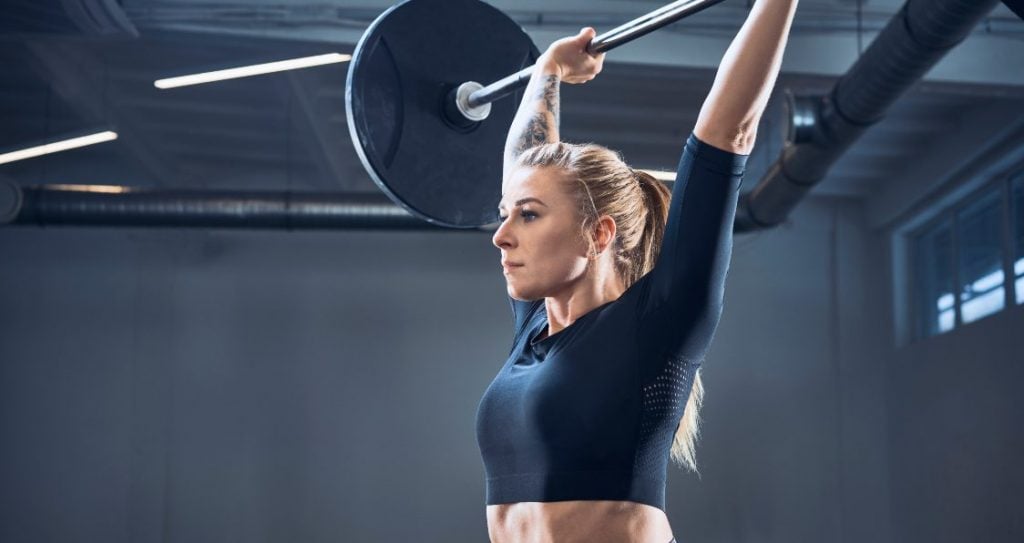
A push pull legs routine divides your workouts into three categories based on movement patterns:
- Push Day: Chest, shoulders, triceps
- Pull Day: Back, biceps
- Leg Day: Quads, hamstrings, glutes, calves
This structure allows you to train muscles together that naturally work in the same movement patterns, improving recovery and performance.
Why Push Pull Legs Is Ideal for Mass Gain
The PPL split is highly effective for hypertrophy (muscle growth) for several reasons:
1. Increased Training Frequency
Instead of hitting each muscle group once per week, PPL allows you to train each muscle twice per week, which is ideal for maximizing growth.
2. Better Recovery
Because you’re separating muscle groups by function, your body gets enough time to recover between sessions.
3. Progressive Overload Made Easy
With consistent structure and repetition, it’s easier to track lifts and progressively increase weight, reps, or intensity.
4. Flexibility
You can run a PPL routine as:
- 3 days per week (beginner)
- 6 days per week (advanced hypertrophy)
The Best Push Pull Legs Routine for Mass Gain
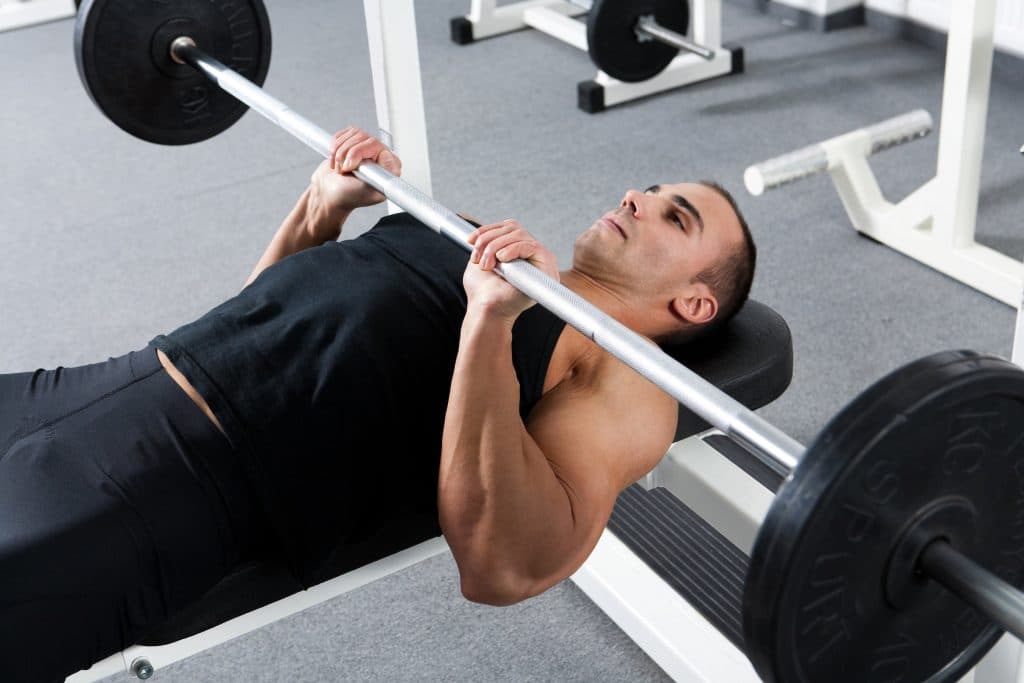
Below is a proven 6-day PPL split designed specifically for building muscle.
Push Day (Chest, Shoulders, Triceps)
Focus: Heavy pressing + hypertrophy work
Workout:
- Barbell Bench Press – 4 sets (6–10 reps)
- Incline Dumbbell Press – 3 sets (8–12 reps)
- Overhead Shoulder Press – 3 sets (6–10 reps)
- Lateral Raises – 3 sets (12–15 reps)
- Triceps Pushdowns – 3 sets (10–15 reps)
- Overhead Triceps Extensions – 3 sets (10–15 reps)
Pull Day (Back, Biceps)
Focus: Thickness + width of the back
Workout:
- Deadlifts – 3 sets (4–8 reps)
- Pull-Ups or Lat Pulldowns – 4 sets (8–12 reps)
- Barbell Rows – 3 sets (6–10 reps)
- Seated Cable Rows – 3 sets (8–12 reps)
- Barbell Curls – 3 sets (8–12 reps)
- Hammer Curls – 3 sets (10–12 reps)
Leg Day (Quads, Hamstrings, Glutes, Calves)
Focus: Lower body strength + size
Workout:
- Squats – 4 sets (5–10 reps)
- Romanian Deadlifts – 3 sets (8–12 reps)
- Leg Press – 3 sets (10–15 reps)
- Leg Curls – 3 sets (10–15 reps)
- Leg Extensions – 3 sets (12–15 reps)
- Standing Calf Raises – 4 sets (12–20 reps)
Weekly Training Schedule
Option 1: 6-Day Split (Best for Mass Gain)
- Day 1: Push
- Day 2: Pull
- Day 3: Legs
- Day 4: Push
- Day 5: Pull
- Day 6: Legs
- Day 7: Rest
Option 2: 3-Day Split (Beginner-Friendly)
- Day 1: Push
- Day 2: Rest
- Day 3: Pull
- Day 4: Rest
- Day 5: Legs
- Day 6–7: Rest
Key Tips for Maximizing Muscle Growth
1. Train Close to Failure
For hypertrophy, aim to finish most sets 1–2 reps shy of failure. You want to leave the gym knowing you gave it your all, and you’re forcing your body out of its comfort zone.
2. Prioritize Compound Movements
Exercises like squats, bench press, and deadlifts should be the foundation of your program.
3. Progressive Overload
Increase weight, reps, or sets each week to force muscle growth.
4. Dial in Your Nutrition
To gain mass:
- Eat in a caloric surplus
- Consume 0.8–1g of protein per pound of body weight
5. Rest and Recovery
Muscle grows outside the gym. Aim for:
- 7–9 hours of sleep
- At least one full rest day per week
Common Mistakes to Avoid

- Skipping Leg Day: Leads to imbalances and slower overall growth
- Too Much Volume: More isn’t always better—focus on quality sets
- Poor Form: Increases injury risk and reduces muscle activation
- Inconsistent Training: Consistency beats perfection every time
Push Pull Legs vs Other Splits
Compared to other popular training splits:
- Bro Splits: PPL offers higher frequency and better growth potential
- Full Body Workouts: PPL allows more volume per muscle group with better recovery
- Upper/Lower Splits: PPL provides more targeted focus per session
Final Thoughts
The push pull legs routine for mass gain is one of the most effective ways to build muscle, increase strength, and stay consistent in the gym. Its simplicity, flexibility, and proven results make it a go-to program for lifters at all levels.
If you apply progressive overload, maintain a proper diet, and stay consistent, a PPL split can help you achieve serious muscle growth over time.
If you want, I can turn this into a 12-week progressive program, a home gym version, or a bulking meal plan tailored to your goals.
Let us know what you think in the comments below. Also, be sure to follow Generation Iron on Facebook, Twitter, and Instagram.
References
- American College of Sports Medicine. ACSM’s Guidelines for Exercise Testing and Prescription. 11th Edition. Wolters Kluwer, 2021.
- Brad Schoenfeld. “The Mechanisms of Muscle Hypertrophy and Their Application to Resistance Training.” Journal of Strength and Conditioning Research, 2010.
- Brad Schoenfeld, Dan Ogborn, & James Krieger. “Dose-Response Relationship Between Weekly Resistance Training Volume and Increases in Muscle Mass.” Journal of Sports Sciences, 2017.