How “KingRy” Trains for Speed, Power, and Knockouts
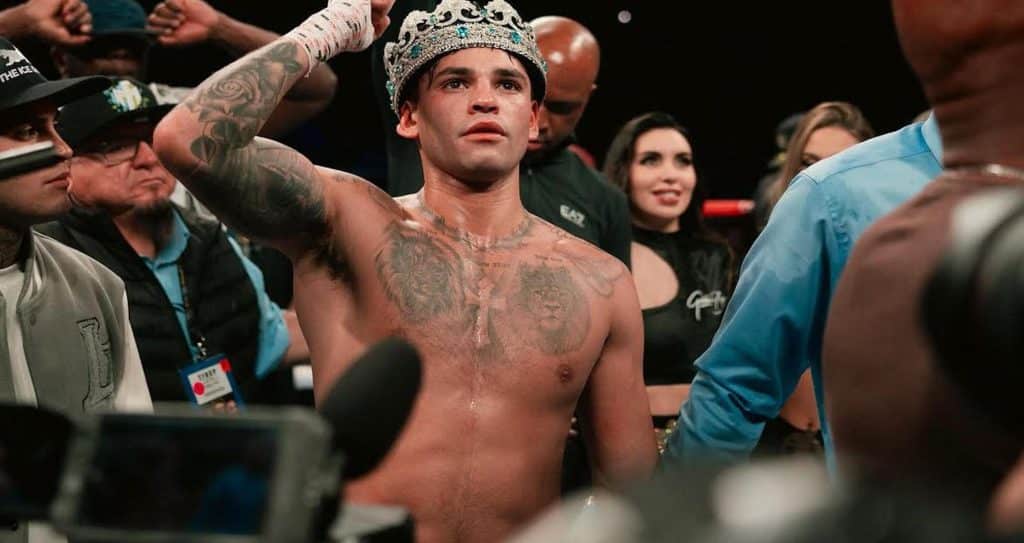
If you’ve ever watched Ryan Garcia shadowbox, you know one thing immediately—his speed is different. The lightning-fast left hook, explosive combinations, and sharp footwork aren’t accidental, or just pure luck. They’re built through a structured, high-volume training routine designed to maximize speed, endurance, and knockout power.
Our team at Generation Iron is going to break down Ryan Garcia’s workout plan, how he structures his training camps, and how you can adapt elements of his routine into your own fitness program.
Who Is Ryan Garcia?
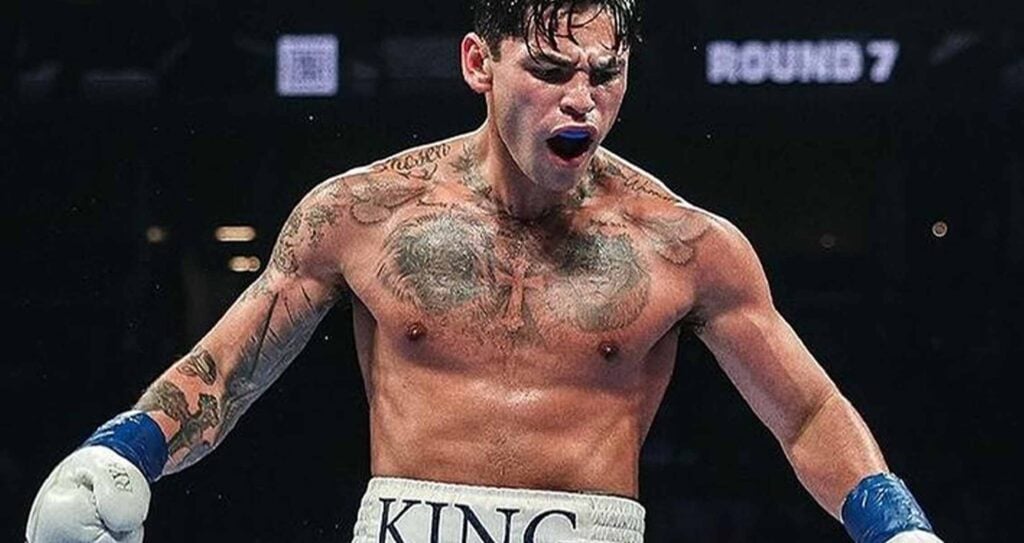
| Full Name: Ryan Garcia (Boxer) | ||
| Weight | Height | Date Of Birth |
| 147 lbs | 5’9″ | 08/08/1998 |
| Division | Era | Nationality |
| N/A | 2020s | Mexican |
Ryan Garcia is a professional boxer known for his elite hand speed and devastating left hook. Fighting in the lightweight and super lightweight divisions, Garcia built a massive following thanks to both his boxing skill and social media presence. But behind the flashy Instagram clips is a disciplined, old-school work ethic rooted in traditional boxing fundamentals.
Overview of Ryan Garcia’s Training Philosophy
Ryan’s training focuses on five pillars:
- Hand speed
- Explosive power
- Cardiovascular endurance
- Technical precision
- Mental sharpness
Unlike many commercial workout programs, his routine is built around boxing-specific performance—not aesthetics. While he’s lean and muscular, the goal is always performance inside the ring.
Ryan Garcia’s Daily Training Schedule
During fight camp, Ryan typically trains twice per day, sometimes three times depending on intensity.
Morning Session: Conditioning & Roadwork
Most elite boxers, including Garcia, start their day with cardio.
Morning routine includes:
- 3–5 mile run
- Sprint intervals (hill sprints or track work)
- Agility ladder drills
- Jump rope (10–15 minutes)
Why Roadwork Matters
Running builds:
- Aerobic endurance
- Leg strength
- Mental toughness
Sprint work develops the explosiveness needed for rapid-fire combinations and quick defensive movements.
Boxing Training: Skill and Speed Work
The core of Ryan Garcia’s workout plan unsurprisingly revolves around boxing drills.
1. Shadowboxing (4–6 Rounds)
Shadowboxing is where speed is developed. Garcia focuses on:
- Rapid combinations
- Head movement
- Defensive slips
- Footwork transitions
He often performs shadowboxing with light hand weights to increase shoulder endurance.
2. Heavy Bag Work (6–10 Rounds)
Heavy bag rounds are where power meets conditioning.
Typical heavy bag session:
- Round 1–2: Speed combinations
- Round 3–4: Power shots
- Round 5–6: Body work emphasis
- Later rounds: Combination endurance drills
Garcia’s signature left hook is drilled relentlessly during bag sessions.
3. Mitt Work
Mitt sessions are designed for:
- Timing
- Accuracy
- Reaction speed
- Counter-punch practice
Pad work is often done at high intensity to simulate fight pace.
4. Sparring (2–3 Times Per Week)
Sparring is where skills are sharpened under pressure. During camp, Garcia may spar:
- 6–12 rounds
- Multiple partners
- Fresh opponent rotations
This builds ring IQ, adaptability, and stamina.
Strength and Conditioning Routine
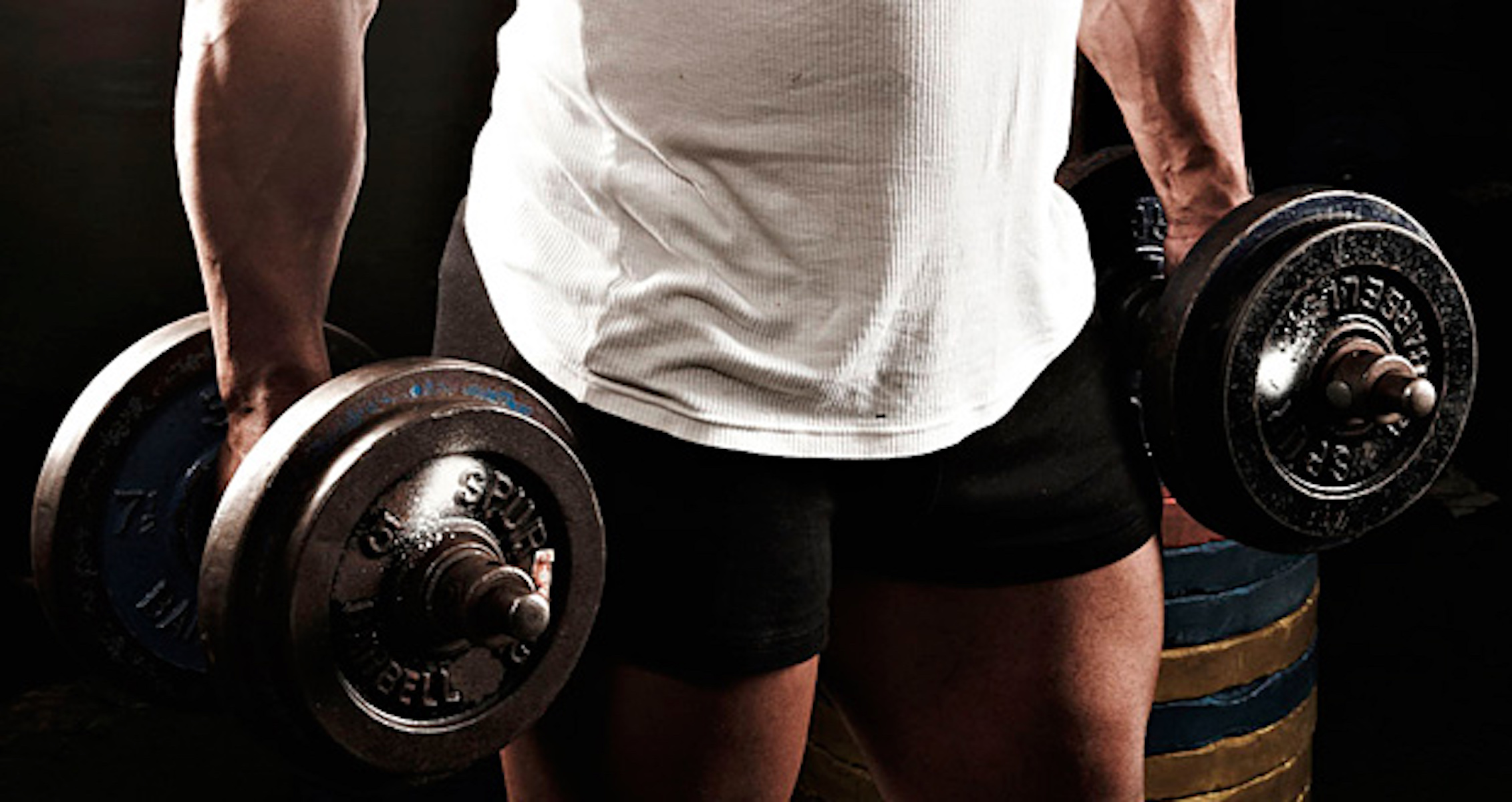
Ryan Garcia incorporates strength training—but it’s functional and explosive, not bodybuilding-focused.
Lower Body Power
- Squats
- Box jumps
- Lunges
- Deadlifts
- Hill sprints
Leg drive is critical for punching power.
Upper Body & Core
- Medicine ball slams
- Plyometric push-ups
- Pull-ups
- Rotational core throws
- Russian twists
- Planks
Core rotation generates knockout power. Punches begin from the ground and transfer through the hips.
Speed & Reaction Drills
Garcia emphasizes:
- Double-end bag drills
- Reflex ball training
- Hand-eye coordination drills
- Slip rope drills
These exercises enhance defensive reflexes and counter-punch speed.
Weekly Training Breakdown (Sample Fight Camp Week)
Monday
- AM: 4-mile run + sprints
- PM: Boxing drills + heavy bag + core
Tuesday
- AM: Jump rope + agility drills
- PM: Sparring (8 rounds)
Wednesday
- AM: Roadwork
- PM: Mitt work + strength training
Thursday
- Active recovery (light boxing + mobility work)
Friday
- AM: Sprint intervals
- PM: Sparring (10 rounds)
Saturday
- Conditioning circuits + heavy bag
Sunday
- Rest or light recovery
Nutrition and Recovery
Ryan Garcia follows a strict fight camp diet:
- Lean protein (chicken, fish)
- Complex carbs (rice, sweet potatoes)
- Healthy fats (avocado, nuts)
- High water intake
He avoids processed foods and excess sugar, especially when cutting weight.
Recovery tools may include:
Without proper recovery, high-volume boxing training can quickly lead to burnout.
Can You Follow Ryan Garcia’s Workout?
You probably shouldn’t copy it exactly unless you’re training to compete. His volume is extremely high and designed for professional-level conditioning.
However, you can adapt elements:
Beginner Adaptation
- 2–3 boxing sessions per week
- 20–30 minutes jump rope
- 3 strength workouts weekly
- 1 sprint day
Intermediate Adaptation
- 3–5 boxing sessions
- 2 sprint sessions
- 2–3 strength workouts
- Core work every session
The key takeaway: prioritize performance over aesthetics.
What Makes Ryan Garcia’s Training Unique?
- Elite hand speed emphasis
- High-volume shadowboxing
- Focus on explosive rather than slow strength
- Traditional boxing fundamentals
- Consistency and discipline
Unlike some fighters who rely heavily on flashy strength programs, Garcia keeps his training boxing-centered.
Final Thoughts: Why Ryan Garcia’s Workout Plan Works
Ryan Garcia’s workout plan is built on discipline, repetition, and performance-based conditioning. His speed and knockout ability aren’t genetic accidents—they’re developed through thousands of rounds of technical practice and structured conditioning.
If you want to train like Ryan Garcia:
- Master the basics
- Build endurance first
- Add explosive power second
- Train consistently
- Recover properly
Boxing is one of the most demanding sports in the world. Garcia’s routine reflects that reality—high intensity, high focus, and no shortcuts.
Let us know what you think in the comments below. Also, be sure to follow Generation Iron on Facebook, Twitter, and Instagram.