Natural sunlight and testosterone
Testosterone plays a critical role in muscle growth, strength, energy, recovery, libido, and overall health. Because of its importance, many lifters and fitness enthusiasts are constantly searching for natural ways to optimize testosterone levels. One question that continues to gain attention is: Does sunlight increase testosterone?
The short answer is it may help indirectly, particularly if you’re deficient in vitamin D. However, the relationship between sunlight and testosterone is more complex than many social media posts suggest.
Our team at Generation Iron is going to break down what the latest research says.
The Connection Between Sunlight and Testosterone

Sunlight itself doesn’t directly produce testosterone. Instead, exposure to sunlight helps your skin manufacture vitamin D, a nutrient that functions more like a hormone than a traditional vitamin.
Vitamin D receptors are found throughout the body, including in the testes, where testosterone is produced. Because of this, researchers have investigated whether maintaining healthy vitamin D levels can support normal testosterone production.
Several observational studies have found that men with higher vitamin D levels often have higher testosterone levels than those who are deficient. However, correlation doesn’t necessarily mean causation.
Can Vitamin D Increase Testosterone?
The research is mixed.
Some studies have shown that men who were deficient in vitamin D experienced modest increases in testosterone after correcting that deficiency through supplementation or increased sun exposure.
Other randomized controlled trials found little or no increase in testosterone among healthy men who already had sufficient vitamin D levels.
The takeaway is straightforward:
- If you’re vitamin D deficient, improving your vitamin D status may help support healthy testosterone production.
- If your vitamin D levels are already adequate, getting additional sunlight is unlikely to dramatically increase testosterone.
Other Benefits of Sunlight

Even if sunlight doesn’t dramatically boost testosterone, regular outdoor exposure offers several health benefits that can indirectly support hormone health.
Better Sleep
Morning sunlight helps regulate your circadian rhythm, making it easier to fall asleep at night.
Since the majority of daily testosterone production occurs during sleep, consistently getting high-quality sleep is one of the most effective ways to maintain healthy hormone levels.
Improved Mood
Sunlight can increase serotonin production, helping improve mood and reduce stress.
Lower stress may help reduce chronically elevated cortisol levels, which can negatively affect testosterone when consistently high.
Higher Energy Levels
Many people notice improved energy and motivation after spending time outdoors. This often translates into more productive workouts and better training consistency.
How Much Sunlight Do You Need?
The amount varies depending on several factors:
- Skin tone
- Geographic location
- Season
- Time of day
- Clothing coverage
- Sunscreen use
For many people, approximately 10–30 minutes of midday sun several times per week is enough to support vitamin D production, although individual needs vary considerably.
People living in northern climates often struggle to produce adequate vitamin D during the winter months.
Other Natural Ways to Support Testosterone
If your goal is maximizing natural testosterone production, focus on the habits that have the strongest scientific support.
Prioritize Sleep
Aim for 7–9 hours of quality sleep each night.
Sleep deprivation has repeatedly been shown to lower testosterone levels.
Lift Heavy Weights
Resistance training remains one of the best lifestyle strategies for supporting healthy testosterone.
Compound exercises such as:
- Squats
- Deadlifts
- Bench press
- Overhead press
- Rows
can produce favorable hormonal responses while building muscle.
Eat Enough Healthy Fats
Very low-fat diets may reduce testosterone production in some individuals.
Include healthy fat sources like:
- Eggs
- Salmon
- Olive oil
- Nuts
- Avocados
Maintain a Healthy Body Weight
Excess body fat, especially visceral fat, is associated with lower testosterone levels.
Regular exercise and balanced nutrition can help improve overall hormonal health.
Manage Stress
Chronically elevated cortisol can interfere with testosterone production.
Strategies such as:
- Walking
- Meditation
- Deep breathing
- Time outdoors
- Recovery days
can all support long-term hormone health.
Can Supplements Help?
While no over-the-counter supplement can replace medical treatment for clinically low testosterone, some ingredients have been studied for their ability to support healthy testosterone levels in otherwise healthy men.
High-quality testosterone support formulas often include ingredients that may help optimize free testosterone, reduce stress, or support overall hormonal balance.
Recommended Testosterone Support: MUTANT TEST
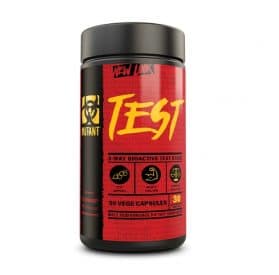
Higher testosterone levels make it easier for you to gain muscle mass, lose fat, feel energetic and have a healthy libido, and as you get older your levels will drop. MUTANT TEST is here to help.
If you’re looking to complement healthy habits with a comprehensive testosterone support supplement, MUTANT TEST is an excellent option.
Unlike many testosterone boosters that primarily focus on increasing total testosterone—which includes testosterone bound to proteins and unavailable for muscle-building signals—MUTANT TEST is formulated around Testosurge®, a clinically studied ingredient designed to naturally support active (free) testosterone, the form your body can actually utilize.
Why MUTANT TEST Stands Out
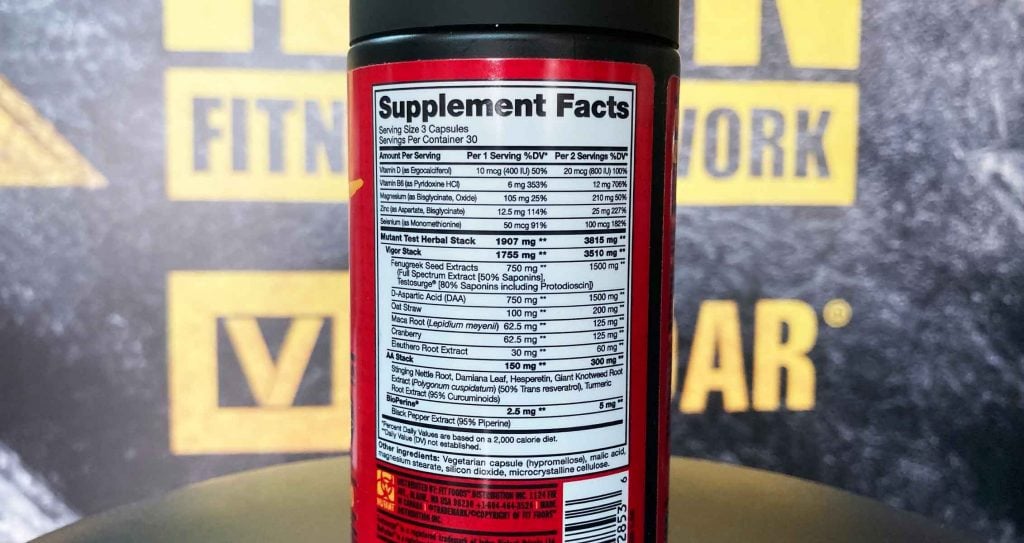
- 18 research-backed ingredients
- 30 servings per bottle
- 3 capsules daily
- Features Testosurge® as its highest-dosed ingredient
- Designed to naturally support active testosterone
- Easy once-daily dosing with breakfast
- Excellent value at $39.99
Whether you’re training to build muscle, improve strength, or simply support healthy hormone levels as you age, MUTANT TEST provides a comprehensive formula backed by clinically studied ingredients.
Pros
- Comprehensive 18-ingredient formula
- Clinically studied Testosurge®
- Supports active testosterone
- Convenient once-daily dosing
- Affordable compared to many premium testosterone boosters
Cons
- The formula may feel strong for individuals who are sensitive to testosterone support supplements.
Final Verdict
Sunlight is an important part of overall health and may help support healthy testosterone levels if it improves or restores adequate vitamin D status. However, current research does not support the idea that simply spending more time in the sun will dramatically raise testosterone in healthy individuals.
Instead, think of sunlight as one piece of the puzzle. Combine regular outdoor exposure with quality sleep, resistance training, a nutrient-rich diet, stress management, and, if desired, a well-formulated supplement like MUTANT TEST to support your body’s natural testosterone production.
While no supplement can replace healthy lifestyle habits, MUTANT TEST’s clinically informed formula—featuring Testosurge® and 18 total ingredients—makes it one of the more compelling options for athletes and fitness enthusiasts looking to naturally support healthy testosterone levels.
Let us know what you think in the comments below. Also, be sure to follow Generation Iron on Facebook, Twitter, and Instagram.
References
- Pilz S, Frisch S, Koertke H, et al. Effect of vitamin D supplementation on testosterone levels in men. Hormone and Metabolic Research. 2011.
- Lerchbaum E, Obermayer-Pietsch B. Vitamin D and fertility: A systematic review. European Journal of Endocrinology. 2012.
- Heijboer AC, Oosterwerff M, Schroten NF, et al. Vitamin D supplementation and testosterone concentrations in healthy men. Clinical Endocrinology. 2015.
- Holick MF. Vitamin D deficiency. New England Journal of Medicine. 2007.
- Kraemer WJ, Ratamess NA. Hormonal responses and adaptations to resistance exercise. Sports Medicine. 2005.
- Leproult R, Van Cauter E. Effect of one week of sleep restriction on testosterone levels in healthy young men. Journal of the American Medical Association (JAMA). 2011.