Are you training too much?
In bodybuilding culture, there’s a common belief that more training always equals more muscle mass. Many lifters think the key to growth is endless workouts, marathon gym sessions, and pushing harder every single day. But the reality is far more complicated.
The truth is that overtraining is real, and if ignored, it can completely stall your progress in the gym.
For readers of Generation Iron, understanding the difference between hard training and overtraining is critical for maximizing muscle growth, improving recovery, and avoiding burnout.
What Is Overtraining?

Overtraining occurs when the body experiences more physical stress than it can recover from over time. In bodybuilding, this usually happens when training intensity and volume consistently exceed your ability to recover.
This goes beyond normal soreness after a hard workout. True overtraining can involve:
- Chronic fatigue
- Decreased performance
- Poor recovery
- Increased injury risk
- Hormonal imbalances
Many lifters confuse temporary exhaustion with overtraining, but genuine overtraining syndrome can take weeks or even months to recover from.
Overreaching vs Overtraining
It’s important to understand the difference between functional overreaching and full overtraining.
Functional Overreaching
This is short-term hard training designed to temporarily push your limits. Many bodybuilders intentionally use overreaching during intense phases of training.
With proper rest, the body adapts and comes back stronger.
Overtraining Syndrome
Overtraining syndrome occurs when fatigue continues to build without adequate recovery. Instead of improving, strength, energy, and performance steadily decline.
The issue is not training hard—it’s failing to recover from hard training.
Signs You May Be Overtraining

1. Declining Strength
One of the biggest warning signs is reduced gym performance.
If your:
- Bench press stalls
- Workout intensity drops
- Recovery between sets worsens
…it may be time to reassess your recovery.
2. Constant Fatigue
Feeling drained every single day is not normal.
Overtraining can lead to:
- Low motivation
- Mental fatigue
- Lack of energy
- Reduced training drive
3. Poor Sleep Quality
Training too hard can actually disrupt sleep and recovery.
Common signs include:
- Difficulty falling asleep
- Waking up frequently
- Feeling unrested despite sleeping enough hours
4. Persistent Muscle Soreness
Muscle soreness should improve within a reasonable timeframe. Constant soreness often means your body isn’t recovering efficiently.
5. Increased Joint Pain and Injuries
Excessive training stress can wear down:
- Joints
- Tendons
- Ligaments
- Connective tissue
This increases the risk of chronic pain and overuse injuries.
Why Overtraining Happens
Excessive Training Volume
Many bodybuilders mistakenly believe more sets automatically mean more muscle growth.
In reality, there’s a limit to how much productive training your body can recover from.
Poor Recovery Habits
Without enough:
…the body struggles to repair muscle tissue properly.
Training Too Heavy Too Often
Heavy compound lifts are effective, but constantly maxing out places enormous stress on the nervous system and joints.
Inadequate Nutrition
Low-calorie diets and insufficient protein intake reduce recovery capacity dramatically, especially during cutting phases.
The Importance of Recovery Supplements
Recovery is about more than just rest days. Proper supplementation can also help support muscle repair, reduce soreness, and improve hydration.
One solid option is MUTANT GEAAR, an amino acid formula designed to support recovery and muscle performance.
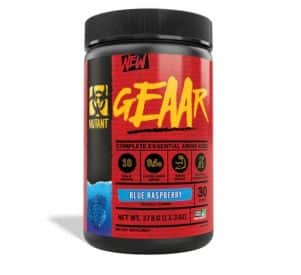
MUTANT GEAAR is one of the better amino acid supplements on the market. Not only do they contain all 9 essential amino acids that your body can’t produce on its own, but they also have arginine, which is critical to include to optimize muscle-building and recovery which is great because of how it plays an important role in the metabolism of an organism.
Why It Stands Out
MUTANT GEAAR contains:
- 7g of BCAAs per serving
- All 9 essential amino acids (EAAs)
- Added arginine
- 4g of leucine to support muscle protein synthesis
- Natural electrolytes for hydration and recovery
This combination helps support:
- Muscle recovery
- Reduced fatigue and soreness
- Muscle growth and repair
- Workout performance
Unlike many amino acid products, it avoids synthetic colors and flavors while still delivering a complete recovery-focused formula.
Nutrition Facts
- Calories: 0
- Carbs: 0g
- Servings: 30
- Serving Size: 1 scoop
Best Way to Take It
Mix:
- 1 scoop with 9–10 oz of water or your preferred beverage
- Use pre-workout, post-workout, or between meals
For bodybuilders training with high volume or intensity, amino acid supplementation can help bridge recovery gaps and improve overall training quality.
Can You Build Muscle Without Training Every Day?

Absolutely.
In fact, many successful bodybuilders grow best by balancing:
- Intense training
- Strategic recovery
- Proper nutrition
- Smart supplementation
More workouts do not automatically equal more gains.
How to Prevent Overtraining
Prioritize Sleep
Aim for:
- 7–9 hours of quality sleep
- Consistent sleep schedules
- Proper nighttime recovery habits
Manage Training Volume
Focus on:
- Progressive overload
- Quality sets
- Proper intensity
Avoid endless “junk volume” that adds fatigue without results.
Schedule Deload Weeks
Deload weeks reduce accumulated fatigue and help long-term progress.
This can include:
- Lower weights
- Fewer sets
- Reduced intensity
Eat Enough to Recover
Recovery requires:
- Adequate protein
- Sufficient carbohydrates
- Proper hydration
- Enough calories to support training demands
Support Recovery Properly
Alongside nutrition and sleep, products like MUTANT GEAAR can help support muscle recovery and reduce soreness during demanding training phases.
Final Thoughts
The truth about overtraining in bodybuilding is simple: hard training stimulates muscle growth, but recovery is what allows that growth to happen.
For readers of Generation Iron, the goal should not be to train harder every single day without limits. The goal is to train intelligently, recover effectively, and stay consistent over the long term.
Sometimes the best thing you can do for muscle growth is not another workout—it’s giving your body the recovery tools it needs to come back stronger.
You can get the info first by following us on Facebook and Twitter.
References
- Brad Schoenfeld — Schoenfeld, B. J. (2010). The mechanisms of muscle hypertrophy and their application to resistance training. Journal of Strength and Conditioning Research.
→ Explains how training stress and recovery impact muscle growth. - American College of Sports Medicine — (2009). Progression Models in Resistance Training for Healthy Adults.
→ Provides evidence-based guidelines for resistance training volume, intensity, and recovery. - Eric Helms — Helms, E. R. (2014). Evidence-Based Recommendations for Natural Bodybuilding Contest Preparation.