The Right Balance for Muscle Growth and Fat Loss
Cardio and bodybuilding have often been treated like enemies in the fitness world. For years, lifters worried that too much cardio would “kill gains,” while endurance athletes avoided heavy lifting out of fear of getting bulky. The truth is that cardio and bodybuilding can work together extremely well when programmed correctly.
Whether your goal is building lean muscle mass, staying shredded year-round, improving conditioning, or preparing for a bodybuilding competition, cardio has a place in your routine. The key is understanding how much cardio to do, what type to use, and when to perform it without interfering with recovery and muscle growth.
Our team at Generation Iron is going to break it down.
Does Cardio Hurt Muscle Growth?

One of the biggest myths in bodybuilding is that cardio automatically causes muscle loss. In reality, cardio only becomes a problem when:
- You do excessive amounts
- Recovery is poor
- Calories are too low
- Training intensity drops
- Sleep and nutrition suffer
When used strategically, cardio can actually improve bodybuilding performance by:
- Increasing work capacity
- Improving recovery between sets
- Enhancing heart health
- Supporting fat loss
- Improving insulin sensitivity
- Helping nutrient delivery to muscles
The issue is not cardio itself. The problem is poorly programmed cardio.
Why Bodybuilders Should Include Cardio

Many bodybuilders only think about cardio during a cutting phase, but cardiovascular training provides benefits year-round.
Improved Recovery
Light-to-moderate cardio increases blood flow, helping deliver nutrients and oxygen to muscles. This can reduce soreness and improve recovery between workouts.
Better Conditioning
If you get winded walking between sets, your conditioning may be limiting your training performance. Better cardiovascular fitness allows you to handle more training volume and maintain higher workout intensity.
Heart Health
Heavy bodybuilding alone does not guarantee cardiovascular health. Cardio helps improve heart function, circulation, and endurance while lowering the risk of cardiovascular disease.
Easier Fat Loss
Adding cardio allows you to burn additional calories without drastically cutting food intake. This helps preserve muscle mass during a cut.
Improved Nutrient Partitioning
Cardio can improve insulin sensitivity, helping your body better utilize carbohydrates for muscle recovery and growth instead of storing excess calories as fat.
The Best Types of Cardio for Bodybuilding

Not all cardio is equal when it comes to preserving muscle mass.
Low-Intensity Steady State (LISS)
LISS cardio is often considered the best option for bodybuilders because it burns calories without creating excessive fatigue.
Examples include:
- Walking on an incline treadmill
- Stair climber at a moderate pace
- Cycling at low intensity
- Outdoor walking
- Easy elliptical sessions
LISS is easier to recover from and less likely to interfere with strength training.
High-Intensity Interval Training (HIIT)
HIIT involves short bursts of intense effort followed by recovery periods.
Examples include:
- Sprint intervals
- Assault bike intervals
- Rowing sprints
- Circuit conditioning
HIIT burns calories quickly and improves conditioning, but it can also create significant fatigue. Too much HIIT may negatively affect leg recovery and strength performance.
For most bodybuilders, HIIT should be used sparingly.
Moderate Cardio
Moderate cardio falls between LISS and HIIT. This includes jogging, moderate cycling, or steady rowing sessions.
While useful, too much moderate-intensity cardio can sometimes create recovery issues because it is hard enough to produce fatigue but not easy enough to recover from quickly.
How Much Cardio Should Bodybuilders Do?
The ideal amount of cardio depends on your goals.
Cardio During a Bulking Phase
During a bulk, cardio should support health and recovery without compromising muscle growth.
Recommended:
- 2–4 sessions per week
- 20–30 minutes per session
- Mostly low-intensity cardio
This amount is usually enough to maintain conditioning, improve recovery, and limit excessive fat gain.
Some bodybuilders avoid cardio entirely during a bulk, but this often leads to poor conditioning, excessive fat accumulation, and reduced work capacity.
Cardio During a Cutting Phase
During a cut, whether you’re preparing for the beach or prepping for a bodybuilding show, cardio becomes more important for increasing calorie expenditure and helping maintain a lean physique.
Recommended:
- 4–6 sessions per week
- 30–60 minutes depending on calorie intake
- Primarily LISS with occasional HIIT
The leaner you get, the more important recovery becomes. Excessive HIIT during a deep calorie deficit can increase muscle loss risk.
Cardio for General Fitness and Muscle Maintenance

If your goal is simply staying lean while building muscle:
- 3–5 weekly sessions
- 20–40 minutes each
- Mix of walking and occasional intervals
This is usually enough for long-term health and physique maintenance.
When Should You Do Cardio?
Timing matters when balancing cardio and bodybuilding.
After Weight Training
For most bodybuilders, doing cardio after lifting is ideal.
Benefits include:
- Maximum energy for strength training
- Better lifting performance
- Reduced interference with muscle growth
Strength training should generally remain the priority if building muscle is your main goal.
Separate Sessions
The best-case scenario is often separating cardio and lifting by several hours or doing them on different days entirely.
For example:
- Lift in the morning
- Cardio at night
Or:
- Weights Monday, Wednesday, Friday
- Cardio Tuesday, Thursday, Saturday
This approach minimizes interference and improves recovery.
Fasted Cardio
Fasted cardio remains popular in bodybuilding, especially during cutting phases.
While research shows fasted cardio does not necessarily burn more fat overall, some athletes prefer it because:
- It helps appetite control
- It feels easier before eating
- It creates routine consistency
Fasted cardio is not mandatory for fat loss. Total calorie balance matters far more.
Should You Do Cardio Before Lifting?
Generally, no.
Doing intense cardio before weight training can:
- Reduce strength output
- Lower training intensity
- Decrease power production
- Increase fatigue
The exception may be a short 5–10 minute warm-up to increase body temperature and mobility.
The Best Cardio Machines for Bodybuilders
Certain machines are more bodybuilding-friendly than others.
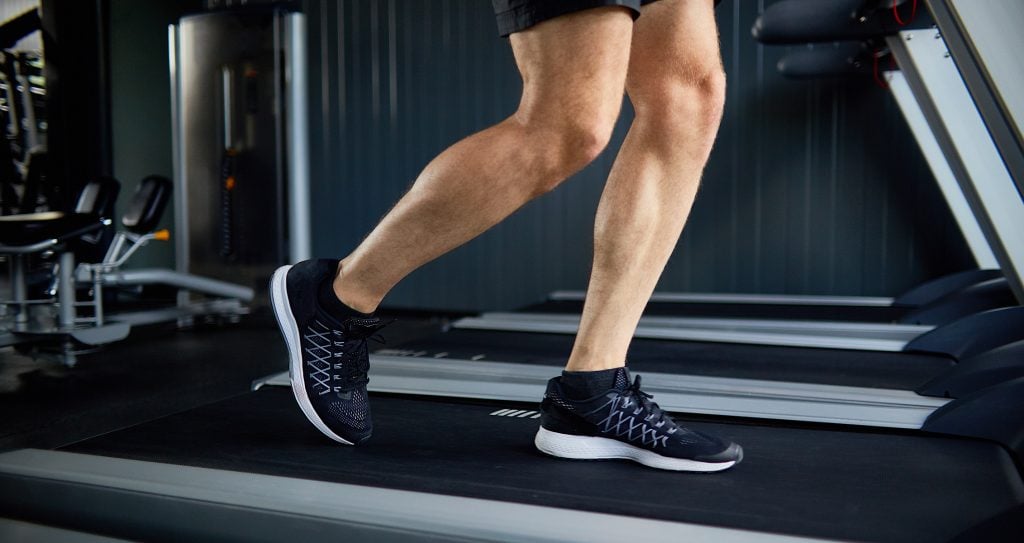
Incline Treadmill
One of the best overall choices because it:
- Burns calories effectively
- Has low joint impact
- Preserves muscle better than running
- Targets glutes and hamstrings
Stair Climber
The stair climber is excellent for conditioning and lower body endurance, though excessive use can fatigue legs if volume is too high.
Stationary Bike
Low impact and easy to recover from, making it ideal during heavy leg training phases.
Rowing Machine
Great full-body conditioning tool, though it may create more fatigue than walking or cycling.
Signs You’re Doing Too Much Cardio
Too much cardio can absolutely interfere with bodybuilding goals.
Watch for:
- Decreased strength
- Constant fatigue
- Poor recovery
- Muscle loss
- Lack of training motivation
- Excessive soreness
- Plateaued muscle growth
If these occur, reduce cardio volume or intensity and evaluate recovery, sleep, and nutrition.
Nutrition Matters When Combining Cardio and Bodybuilding

Your diet determines whether cardio helps or hurts your physique goals.
Protein Intake
Adequate protein is essential for preserving muscle mass.
Most bodybuilders should aim for:
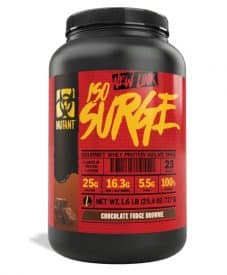
Maximize your gains with a great tasting and effective whey protein isolate, MUTANT ISOSURGE.
If you have trouble hitting your protein intake, a quality supplement can help you. Check out MUTANT ISO SURGE, packed with 25 grams of protein per scoop, accompanied by only 1 gram of carbs and one gram of fat. When it comes to what exactly is in it, ISO SURGE contains whey protein isolate as well as whey protein hydrolysate.
Carbohydrates
Carbs fuel both lifting and cardio performance. Extremely low-carb diets can reduce performance and recovery.
Calories
Too much cardio combined with too few calories increases muscle loss risk.
A moderate calorie deficit usually works best during cuts:
- Around 300–500 calories below maintenance
Cardio and Recovery
Recovery is where progress actually happens.
To balance cardio and bodybuilding successfully:
- Sleep 7–9 hours nightly
- Stay hydrated
- Eat enough protein
- Avoid excessive training volume
- Manage stress
- Use deload weeks when needed
Even the best cardio plan will fail if recovery is poor.
The Ideal Cardio Strategy for Most Bodybuilders
For most lifters, the ideal setup looks something like this:
Bulking
- 2–4 LISS sessions weekly
- 20–30 minutes each
- Focus on recovery and conditioning
Cutting
- 4–6 cardio sessions weekly
- Mostly incline walking or cycling
- HIIT used sparingly
Best Timing
- After lifting
- Or separate from training entirely
Best Overall Choice
- Low-intensity steady-state cardio
This approach helps maintain muscle while improving conditioning and supporting fat loss.
Final Thoughts
Cardio is not the enemy of muscle growth. In fact, when used correctly, it can improve recovery, conditioning, heart health, and body composition while helping you build a better physique overall.
The key is balance. Too little cardio can leave you out of shape and negatively impact recovery, while too much can interfere with strength, muscle growth, and performance.
The best bodybuilding cardio plan is one that supports your training instead of competing with it. Focus on moderate amounts, prioritize recovery, and use cardio strategically based on your goals and phase of training.
Let us know what you think in the comments below. Also, be sure to follow Generation Iron on Facebook, Twitter, and Instagram.
References
- American College of Sports Medicine. “ACSM Position Stands.” American College of Sports Medicine
- National Strength and Conditioning Association. “Strength and Conditioning Research and Education.” NSCA
- Wilson JM, Marin PJ, Rhea MR, et al. “Concurrent Training: A Meta-Analysis Examining Interference of Aerobic and Resistance Exercises.” Journal of Strength and Conditioning Research. PubMed Study on Concurrent Training and Muscle Growth