Jeff Cavaliere Says You May Be Lunging Wrong: Explains Why Reverse Lunges are the Better Move
Lunges have become one of the most common lower-body exercises in commercial gyms, especially among lifters looking to build stronger glutes, quads, and hamstrings. While the movement appears straightforward, Fitness expert Jeff Cavaliere says you may be lunging wrong. Small technique mistakes can dramatically change which muscles are being trained and how much stress is placed on the joints.
Cavaliere recently broke down the biggest mistakes people make with lunges, explaining why he believes the reverse lunge is often a safer and more effective option than the traditional forward lunge. In a recent YouTube video, the ATHLEAN-X founder detailed how direction, body position, and loading all influence the effectiveness of the exercise.
Cavaliere has built a reputation for combining biomechanics with practical coaching advice, helping millions of lifters improve exercise technique. This time, he focused on one of the most widely performed lower-body movements and offered simple adjustments that can help maximize muscle growth while minimizing unnecessary stress on the knees.

Reverse Lunges May Reduce Knee Stress
According to Cavaliere, the first mistake begins with the direction of the lunge. While both forward and reverse lunges can build muscle, he argued that stepping backward creates a more joint-friendly movement pattern.
He explained that stepping forward places greater stress on the patellofemoral joint and patellar tendon because of the way the body absorbs force during the landing.
“The two popular directions we can lunge in, forward or backwards, the most popular happens to be the most stressful to your knee joint.”
Instead, Cavaliere recommends stepping backward, which naturally allows the hips to move into a stronger position throughout the repetition.
He also pointed out that many lifters make another common mistake when driving out of the bottom of a forward lunge.
“The issue is not just how we land, but how we push out of the lunge,” he explained, noting that many people compensate with poor mechanics as they stand back up.
While he acknowledged there are ways to improve a forward lunge, such as turning it into a walking lunge where each step continues forward, he believes it still doesn’t completely eliminate added stress on the knees.
Body Position Changes Which Muscles You Target
Cavaliere also emphasized that slight changes in torso position can completely change the muscles being emphasized.
For those looking to increase glute and hamstring activation, he recommends using what he calls the “sprinter lunge,” where the torso leans forward slightly through a hip hinge.
This position shifts more of the workload to the posterior chain while maintaining balance and stability throughout the movement.
He cautioned that remaining perfectly upright places more emphasis on the quadriceps, while hinging forward recruits the glutes and hamstrings to a greater degree.
Choosing the Right Equipment for Lunges
Loading strategy matters just as much as technique.
Rather than insisting on one specific implement, Cavaliere suggested choosing whichever option allows proper mechanics without compromising balance.
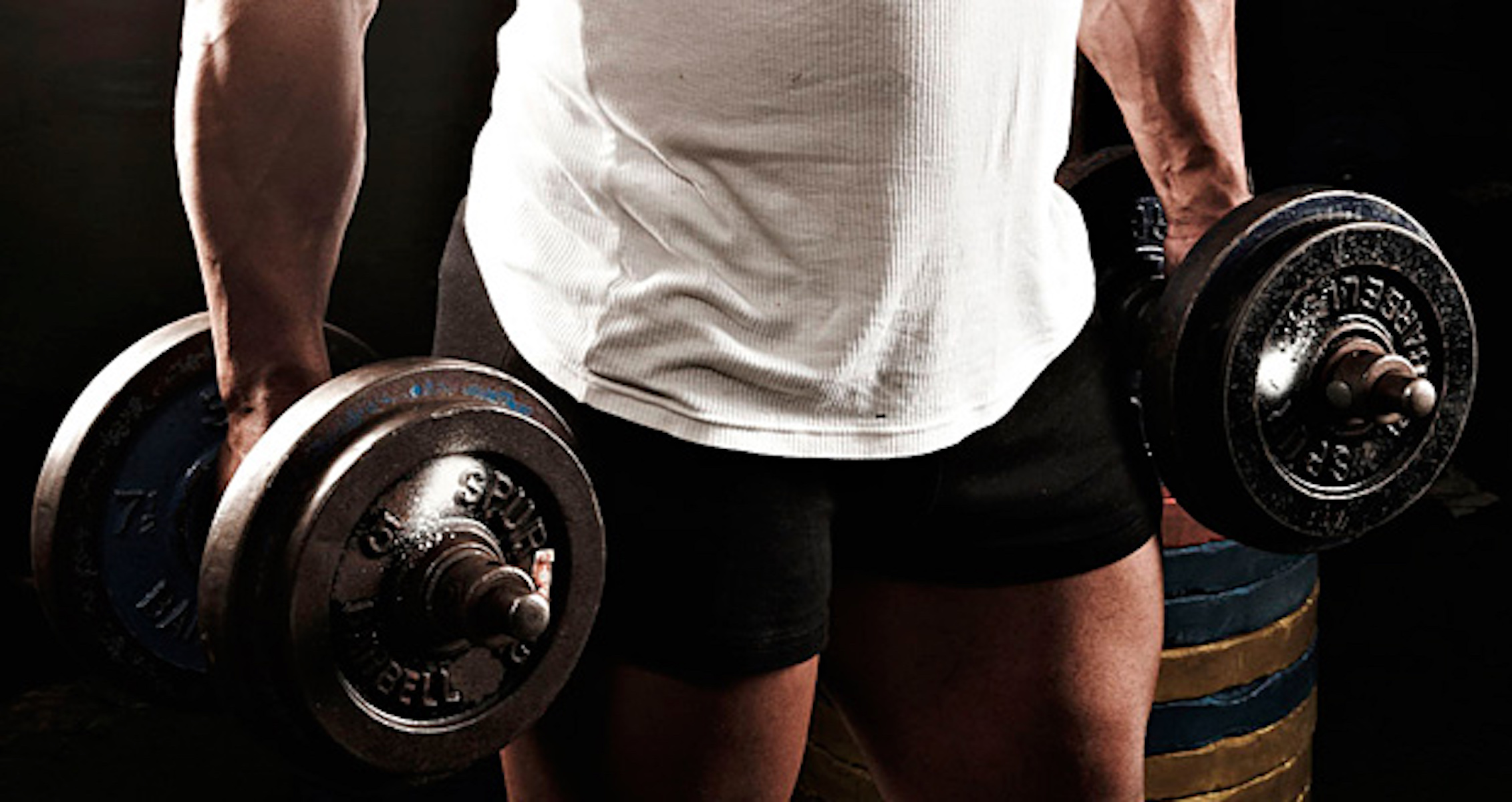
For posterior-chain focused lunges, he prefers holding a pair of dumbbells at the sides because they allow the torso to hinge naturally without interfering with movement.
Depending on training goals, lifters can also perform lunges using:
- Dumbbells
- Kettlebells
- Goblet holds
- Front rack position
- Barbell walking lunges
The key, according to Cavaliere, is selecting the variation that allows good posture and consistent control throughout every repetition.
Derek Lunsford Also Uses Lunges to Build His Legs
Lunges aren’t just popular among everyday gymgoers.
Reigning two-time Mr. Olympia Derek Lunsford has also credited walking lunges as an important part of his lower-body development, calling them one of the most demanding exercises in his training program.
Whether performed with dumbbells or a barbell, Lunsford has described walking lunges as physically exhausting but highly effective for building stronger legs.
Reverse Lunges Offer a Simple Adjustment
Although forward lunges remain a staple in many workout routines, Cavaliere believes many lifters would benefit from switching to reverse lunges, especially those dealing with knee discomfort or looking to improve movement mechanics.
By stepping backward, maintaining proper hip positioning, and adjusting torso angle based on the muscles being targeted, lifters can get more out of every repetition while reducing unnecessary joint stress.
For anyone looking to improve lower-body training, Cavaliere’s advice serves as a reminder that exercise selection is only part of the equation. Proper technique often determines whether an exercise becomes a powerful muscle-building tool or an unnecessary source of wear and tear.
Image embed via YouTube @athleanx