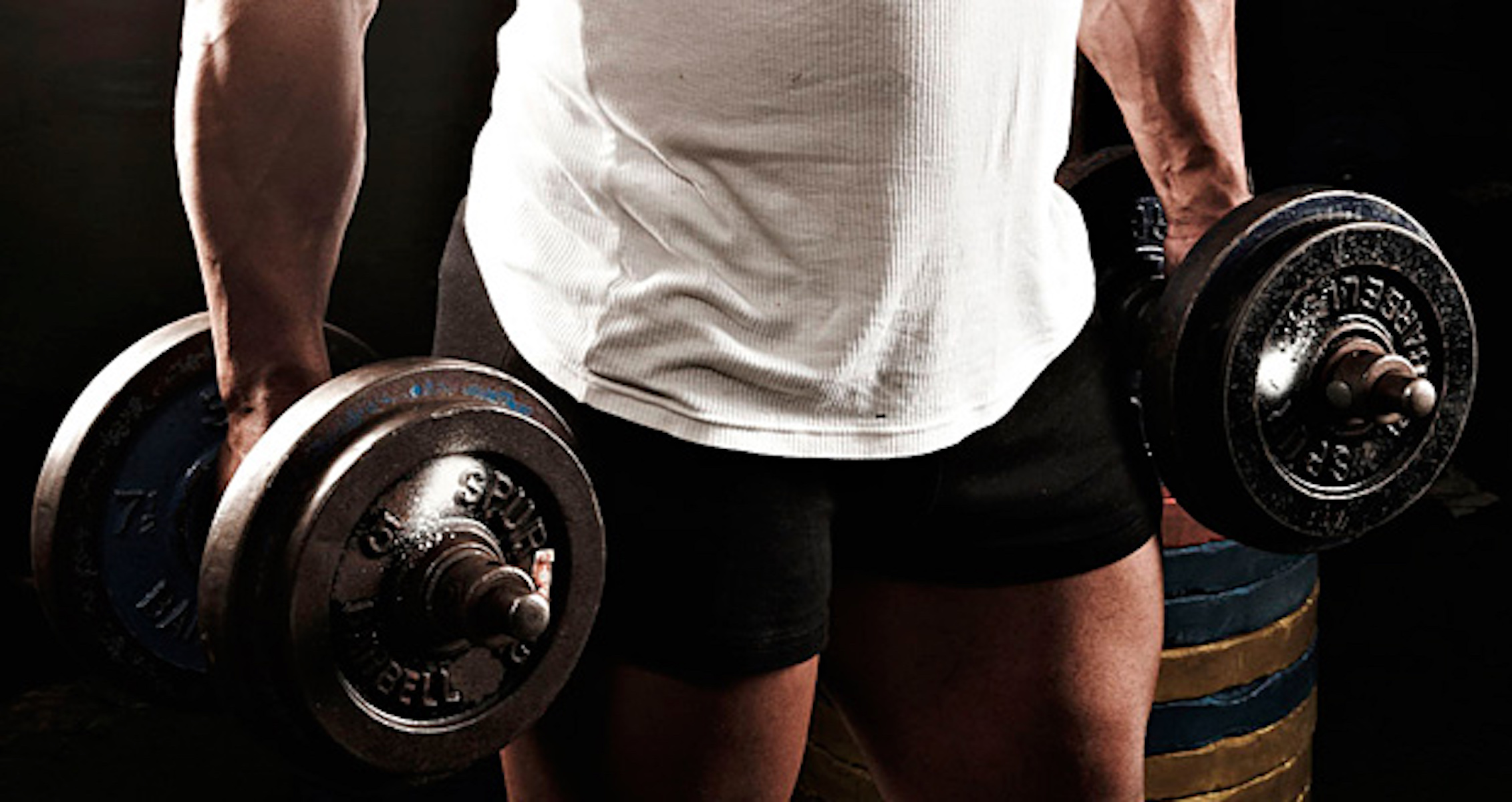
Training with heavy weight or light weight depends on your training goals.
If building strength and muscle is your goal, one thing is sure: weightlifting is essential. However, the debate over whether to lift heavy or light weights remains a hot topic in the fitness world. Some argue that heavy weights are the key to building bigger muscles, while others claim that light weights are better for achieving a lean, toned physique.
In this article, we’ll explore the distinctions between light and heavy weights in training. Can you build muscle and strength with lighter weights? How does the amount of weight you lift influence your ability to reach your fitness goals? By the end, you’ll have a deeper understanding of this topic and a clearer sense of which training approach best suits your objectives.
Overview — Light Weight vs. Heavy Weight
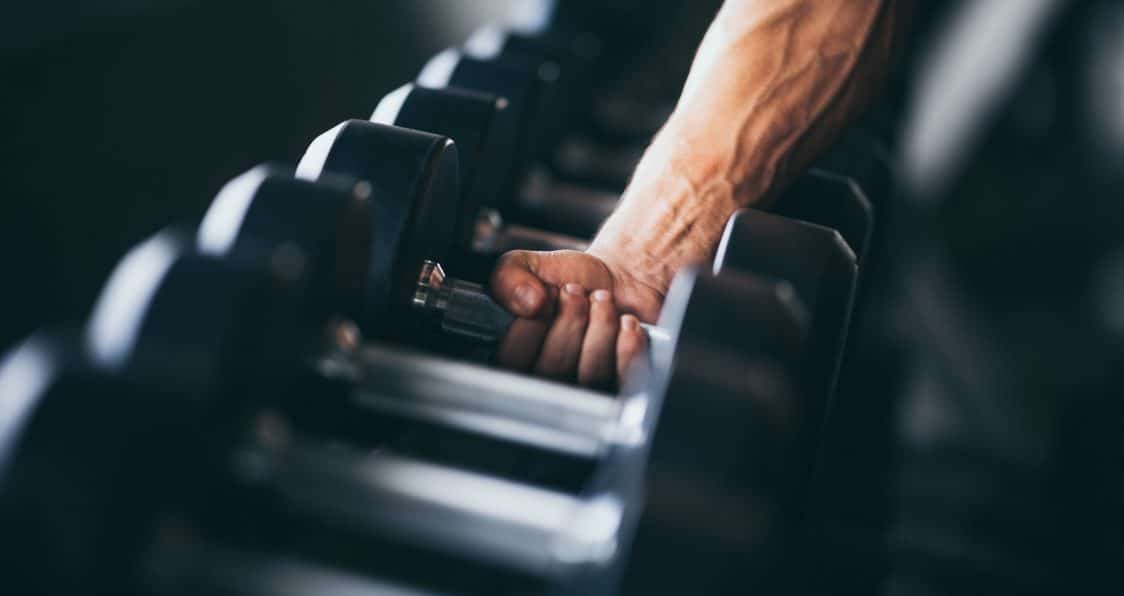
In lifting weights, the goals are usually simple. The goal is to build muscle, get stronger, and improve your overall fitness. This leads to a better overall quality of life, enabling you to perform tasks easily and giving you the confidence to navigate your daily life.
Light weights and heavy weights are both valid methods of building muscle and strength. The only difference between them is that while one makes you build muscle faster, the other one just takes a longer time to build. It just boils down to your training goals and the type that is more comfortable with you.
However, whatever method you choose, ensure you’re fatiguing those muscles to the point you can no longer lift. This study shows that muscle hypertrophy and strength gains improve as you train closer to failure (1). Also, another study showed that using lighter weights with higher repetitions built muscle mass just as well as using heavier weights with lower repetitions (2).
Benefits of Light Weights
There are benefits to using light weights over heavy weights. First and most important, it boils down to preference. Here are some other key benefits of using light weights.
Beginner Friendly
If new to lifting weights or starting a new fitness program, it is advisable to start with light weight routines. This helps get the body used to the exercise and prevents unnecessary injuries. It is also a good way to learn the technique of the exercise, and once the newbies feel comfortable with that movement, they can add more resistance.
Good for Warm-Ups
Before beginning heavy sets and heavy lifting exercises, light weights can serve as an effective form of warm-up to get the joints moving and blood flowing in the particular area you’re training. You could use specific light weight warm-ups for that exercise routine, or you could do general warm-ups. Whichever one you use, it is an effective way of boosting your exercise performance (3) (4).
Effective Form of Cardio & Burning Calories
Light weights are good to include in your other workouts to keep your heart rate up. It is easy to lift these weights and perform your various exercises at a fast pace. With this, you’re not only improving your cardiovascular health but also improving your body composition, which is an effective form of weight loss (5) (6).
Great for a Deload Week
Any strength and endurance athlete understands the benefits of a deload week. This is usually a period when an athlete takes some time, from six to eight weeks, to reduce their heavy lifting. It is an effective form of recovery after weeks of heavy lifting, helping you come back stronger.
Benefits of Heavy Weights
Great for Improving Overall Strength & Muscularity
Heavy lifting is synonymous with building muscularity and strength efficiently. You do this by fatiguing your muscles, and lifting heavy helps you get there faster. Besides this, lifting heavy also enhances your bone mineral density, which reduces your risk of having skeletal injuries and bone fractures (7).
Good for Heart Health
Heavy weight training demonstrably improves heart health and prevents heart strokes. By increasing your resting metabolic rate, you promote better cardiovascular health and healthier aging (8).
Effective for Fat Loss
When lifting heavy, you increase your metabolism, which leads to expelling loads of calories, making it suitable for fat loss. This helps improve your body’s muscularity and enhances a better body composition.
Should You Lift Heavy or Light?
Light weight lifting or heavy weight lifting all depends on your training goals. For instance, bodybuilders focus on body aesthetics, so they aim to build as much muscle as possible, quickly.
On the other hand, powerlifters focus on building as much strength as possible in three key lifts: the bench press, squats, and deadlifts. So, aside from lifting weights, the number of reps is also a factor in meeting training goals.
To Build Strength
When building strength, it is essential to focus on heavy weights. The reason for this is that heavy weights recruit more motor units, leading to better strength gains. You can keep your rep range between one and five per set to maximize strength gains.
To Build Hypertrophy
To build muscle hypertrophy, you can use light weights with higher reps or heavy weights with lower reps. You can aim for a rep range of eight to 15 per set. However, you can build your strength with much heavier weights in a one to five rep range. This will allow you to progress to lifting more.
To Build Endurance
When building endurance, aim for more than 15 reps with minimal rest between sets using light weights. Keep the rest time at thirty seconds and always focus on perfect form.
Jim Stoppani’s Thoughts on the Light Vs. Heavy Weight Debate
Below, exercise physiologist Jim Stoppani sheds light on the light vs. heavy weight debate. See what rep range he suggests for maximum muscle growth.
Both light weight and heavy weight options work, depending on your training goals. Combining both might also be key to complete training. Jim Stoppani, in his exclusive from Generation Iron and BarBend, recommends using both. This can help prevent plateaus from training monotony and offers added benefits that would not be found in sticking only to one tactic.
Follow Generation Iron on Instagram, Facebook, and Twitter for more training tips!
References
- Robinson, Z. P., Pelland, J. C., Remmert, J. F., Refalo, M. C., Jukic, I., Steele, J., & Zourdos, M. C. (2024). Exploring the Dose-Response Relationship Between Estimated Resistance Training Proximity to Failure, Strength Gain, and Muscle Hypertrophy: A Series of Meta-Regressions. Sports medicine (Auckland, N.Z.), 54(9), 2209–2231. https://doi.org/10.1007/s40279-024-02069-2
- Schoenfeld, B. J., Grgic, J., Van Every, D. W., & Plotkin, D. L. (2021). Loading Recommendations for Muscle Strength, Hypertrophy, and Local Endurance: A Re-Examination of the Repetition Continuum. Sports (Basel, Switzerland), 9(2), 32. https://doi.org/10.3390/sports9020032
- Abad, C. C., Prado, M. L., Ugrinowitsch, C., Tricoli, V., & Barroso, R. (2011). Combination of general and specific warm-ups improves leg-press one repetition maximum compared with specific warm-up in trained individuals. Journal of strength and conditioning research, 25(8), 2242–2245. https://doi.org/10.1519/JSC.0b013e3181e8611b
- Fradkin, A. J., Zazryn, T. R., & Smoliga, J. M. (2010). Effects of warming-up on physical performance: a systematic review with meta-analysis. Journal of strength and conditioning research, 24(1), 140–148. https://doi.org/10.1519/JSC.0b013e3181c643a0
- Nystoriak, M. A., & Bhatnagar, A. (2018). Cardiovascular Effects and Benefits of Exercise. Frontiers in cardiovascular medicine, 5, 135. https://doi.org/10.3389/fcvm.2018.00135
- Falcone, P. H., Tai, C. Y., Carson, L. R., Joy, J. M., Mosman, M. M., McCann, T. R., Crona, K. P., Kim, M. P., & Moon, J. R. (2015). Caloric expenditure of aerobic, resistance, or combined high-intensity interval training using a hydraulic resistance system in healthy men. Journal of strength and conditioning research, 29(3), 779–785. https://doi.org/10.1519/JSC.0000000000000661
- McGlory, C., Devries, M. C., & Phillips, S. M. (2017). Skeletal muscle and resistance exercise training; the role of protein synthesis in recovery and remodeling. Journal of applied physiology (Bethesda, Md. : 1985), 122(3), 541–548. https://doi.org/10.1152/japplphysiol.00613.2016
- Westcott W. L. (2012). Resistance training is medicine: effects of strength training on health. Current sports medicine reports, 11(4), 209–216. https://doi.org/10.1249/JSR.0b013e31825dabb8