Muscle Growth Speed, Limits, and What to Realistically Expect
The debate around natural vs enhanced bodybuilding is one of the most important—and misunderstood—topics in the fitness community. Social media has blurred the lines, creating unrealistic expectations for muscle growth, conditioning, and overall physique development. With young influencers like Sam Sulek and the Tren Twins popping up on everyone’s feeds, people expect to enter the gym, pick up a few dumbbells, and be an absolute mass monster.
If you want to understand how fast you can actually build muscle, how hormones impact results, and what separates natural athletes from enhanced ones, this guide from our team at Generation Iron breaks it down in detail.
What “Natty” and “Enhanced” Really Mean

Before comparing results, you need a clear definition of each path.
Natural (Natty) Bodybuilders:
- Do not use anabolic steroids, TRT (unless medically necessary), or performance-enhancing drugs (PEDs)
- Rely entirely on training, nutrition, sleep, and natural hormone production
- Are limited by biological testosterone levels (typically 300–1,000 ng/dL)
Enhanced Bodybuilders:
- Use substances like anabolic steroids, growth hormone (HGH), insulin, or other PEDs
- Artificially elevate anabolic hormones far beyond natural ranges
- Can maintain a constant muscle-building environment
This hormonal difference is the single biggest factor in how quickly muscle is built.
The Science of Muscle Growth (Why Enhanced Athletes Grow Faster)
Muscle growth is not as simple as picking up the weights, pounding down a protein shake, and waking up with more muscle mass the next day. It is a complex process that takes time. Muscle hypertrophy depends on:
- Protein synthesis vs protein breakdown
- Hormonal environment (testosterone, IGF-1, insulin)
- Training stimulus (volume, intensity, frequency)
- Recovery capacity
Natural lifters experience short spikes in muscle protein synthesis after training that return to baseline within ~24–48 hours.
Enhanced athletes, however:
- Maintain elevated protein synthesis levels 24/7
- Reduce muscle breakdown significantly
- Store more glycogen and intracellular water (leading to fuller muscles)
This creates a constant anabolic state, which dramatically accelerates growth.
How Fast Can Natural Bodybuilders Build Muscle?

Muscle growth for natural lifters follows a predictable curve that slows over time (something no one wants to hear).
Year-by-Year Muscle Growth Potential (Natural)
Year 1 (Beginner Gains):
- 15–25 pounds of lean muscle (ideal conditions)
- Rapid strength increases
- Neurological adaptations + muscle growth
Year 2:
- 8–12 pounds
- Noticeable slowdown begins
Year 3:
- 5–8 pounds
- Requires more precision in training and diet
Year 4–5:
- 2–5 pounds per year (if that)
Beyond 5 Years:
- 1–3 pounds per year (if that)
Monthly Breakdown (Realistic)
- Beginners: ~1–2 lbs/month
- Intermediate: ~0.5–1 lb/month
- Advanced: ~0.25 lb/month or less
Important Reality
Even under perfect conditions, most natural lifters will gain:
- 30–50 pounds of total muscle over their lifetime
That’s it.
How Fast Do Enhanced Bodybuilders Build Muscle?

Enhanced athletes operate in a completely different physiological environment, driving them
Early Enhanced Phase (First 1–2 Years)
- 20–30+ pounds of lean mass per year
- Strength skyrockets
- Dramatic visual changes in short timeframes
Continued Use
- Ability to keep gaining beyond natural limits
- Easier fat loss while maintaining muscle
- Improved nutrient partitioning (more calories go to muscle instead of fat)
Monthly Muscle Gain
- 2–5+ pounds of lean mass (especially early on)
This is why someone enhanced can look like they’ve been training for 10 years… after just 1–2 years.
Training Differences: Volume, Intensity, and Frequency
Training styles will differ if you are natural vs. enhanced. You don’t want to overtrain regardless of if you are natural or enhanced, but you don’t want to undertrain.
Natural Lifters:
- Must carefully manage volume to avoid overtraining
- Typically train each muscle group 2x per week
- Recovery is a limiting factor
Enhanced Lifters:
- Can handle significantly higher volume
- Can train the same muscle more frequently
- Faster recovery allows more total workload
Example:
A natural lifter might need 48–72 hours to recover from a hard leg session.
An enhanced lifter may be ready again in 24–48 hours—or sooner.
Over time, this leads to more cumulative growth stimulus.
Strength Gains: A Major Separator
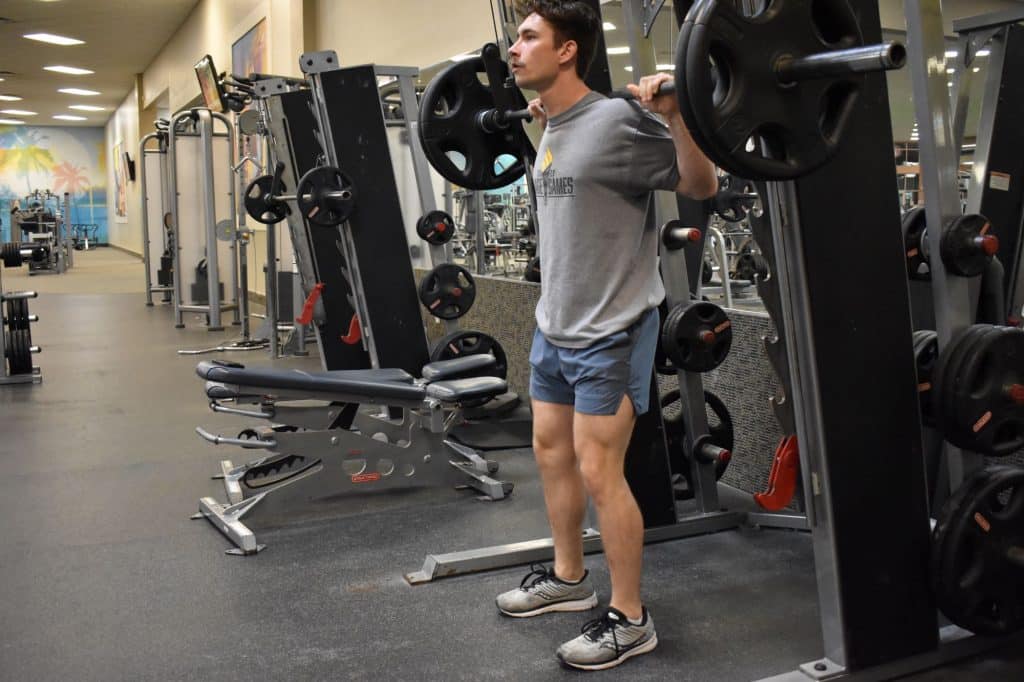
Strength and muscle growth are closely linked.
Natural Progression:
- Linear gains early
- Plateaus become common after 2–3 years
- Small increases over time
Enhanced Progression:
- Rapid strength jumps
- Ability to push heavier loads more often
- Increased red blood cell count and recovery capacity
This allows enhanced lifters to train heavier, more often, accelerating hypertrophy.
The Natural Limit (FFMI Explained)
A commonly referenced metric is the Fat-Free Mass Index (FFMI).
- Average natural ceiling: FFMI ~24–25
- Enhanced athletes: often 26–30+
This is why certain physiques—especially extremely large and lean combinations—are not realistically attainable naturally.
Recovery, Sleep, and Hormonal Output
Natural Athletes:
- Sleep is critical (7–9 hours)
- Cortisol (stress hormone) can hinder growth, and also add body fat
- Testosterone fluctuates daily
Enhanced Athletes:
- Hormone levels remain elevated regardless of lifestyle (to a degree)
- Faster tissue repair
- Less impact from occasional poor sleep or stress
Recovery is where enhanced athletes gain one of their biggest advantages.
Fat Loss and Body Recomposition
Another major difference is how each group handles cutting.
Natural Lifters:
- Lose muscle more easily in a calorie deficit
- Must diet slowly and carefully
- Strength often drops during cuts
Enhanced Lifters:
- Retain muscle while cutting
- Can get extremely lean (stage condition)
- Maintain strength better
This is why enhanced physiques often appear both bigger and leaner at the same time.
Visual Differences in Physique
Natural Physique:
- Athletic, aesthetic look
- Less extreme muscle fullness
- More realistic proportions
Enhanced Physique:
- Dense, round, “3D” muscles
- Fuller look due to glycogen and water retention
- Ability to maintain size while shredded
These differences are often subtle to beginners—but obvious to experienced lifters.
The Role of Genetics
Genetics matter in both cases—but more for natural lifters.
Key genetic factors:
- Muscle insertions
- Bone structure (wide clavicles, narrow waist)
- Natural testosterone levels
- Recovery ability
Enhanced athletes can partially overcome poor genetics, while natural lifters cannot.
Health Risks and Long-Term Sustainability
Natural Bodybuilding:
- Sustainable for life
- Lower cardiovascular and hormonal risk
- No dependency on substances
Enhanced Bodybuilding:
- Increased risk of:
- Heart disease
- Liver damage
- Hormonal shutdown
- Requires ongoing management (often lifelong)
This is the trade-off for faster results.
The Social Media Problem
One of the biggest issues today is false expectations.
Many influencers:
- Claim to be natural when they are not
- Use lighting, pumps, and editing
- Present unrealistic timelines
This leads to frustration when natural lifters don’t see the same results in:
- 6 months
- 1 year
- Even 3 years
Understanding real timelines is critical for staying consistent.
Natty vs Enhanced Timeline Comparison
| Factor | Natural | Enhanced |
|---|---|---|
| Year 1 Muscle Gain | 15–25 lbs | 20–30+ lbs |
| Long-Term Growth | Limited | Continues beyond natural limits |
| Recovery Speed | Moderate | Rapid |
| Training Volume | Limited | High |
| Fat Loss | Risk of muscle loss | Muscle preserved |
| Sustainability | High | Lower |
A Great Supplement for Natural Bodybuilders
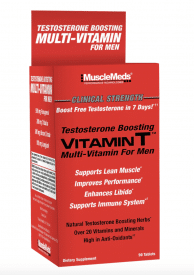
Men's health is crucial, and from your immune system to your testosterone levels, Vitamin T has you covered!
For natural athletes looking to maximize their results without turning to PEDs, MuscleMeds Vitamin T stands out as a highly effective all-in-one supplement. It combines over 20 essential vitamins and minerals—including A, C, D, E, K, B12, magnesium, and zinc—to support overall health, recovery, and optimal hormone function, which are all critical for consistent muscle growth. What sets it apart is its inclusion of clinically researched testosterone-support ingredients like 500 mg fenugreek, 200 mg tribulus, 100 mg longjack, and 200 mg boron citrate, which work together to promote increased testosterone levels, with some evidence suggesting noticeable effects in as little as 7 days.
For natural bodybuilders who are limited by their body’s own hormone production, a formula like Vitamin T helps ensure there are no gaps in nutrition or hormonal support, allowing you to train harder, recover better, and push closer to your natural ceiling.
Final Verdict: What You Should Take Away
Natural bodybuilding is a long-term investment. It requires:
- Years of consistency
- Discipline in diet and training
- Realistic expectations
Enhanced bodybuilding accelerates everything—but introduces significant trade-offs.
If you commit to the process, a natural physique can still be incredibly impressive. But understanding the difference between natty and enhanced is what keeps you grounded—and ultimately successful.
Let us know in the comments below. Also, be sure to follow Generation Iron on Facebook, Twitter, and Instagram.
References
- Wilborn, C., et al. (2010). Effects of a purported aromatase and 5α-reductase inhibitor on hormone profiles in college-age men. Journal of the International Society of Sports Nutrition.
- Rao, A., et al. (2016). A standardized fenugreek extract improves strength and body composition: A randomized controlled trial. Journal of Sport and Health Science.
- Isenmann, E., et al. (2020). Effects of Tongkat Ali (Eurycoma longifolia) on stress hormones and mood state in moderately stressed subjects. Journal of the International Society of Sports Nutrition.
- Naghii, M. R., et al. (2011). Comparative effects of daily and weekly boron supplementation on plasma steroid hormones and proinflammatory cytokines. Journal of Trace Elements in Medicine and Biology.
- Antonio, J., & Stout, J. R. (2001). Sports Supplements. Lippincott Williams & Wilkins.