Prince Harry Reportedly Claimed He Snorted Creatine Instead of Cocaine During Military Years, According to Daily Mail
Creatine has long been one of the most researched and widely used supplements in bodybuilding, valued for its ability to improve strength, power output, muscle recovery, and training performance. But according to a new first-person account from Daily Mail journalist Charlotte Griffiths, Prince Harry once claimed he snorted creatine instead of cocaine during military years.
In an essay published by the Daily Mail, Griffiths recalled meeting Prince Harry in December 2011 during a shooting weekend in Hampshire. She wrote that the pair later discussed nightlife, military life, and the challenges of balancing Army drug testing with a reputation for partying.
According to Griffiths, Harry explained that because of the British Army’s random drug testing, he could no longer use illegal narcotics while serving. Instead, she claims he told her he had turned to creatine.

Prince Harry Allegedly Claimed He Snorted Creatine Powder
Griffiths wrote that Harry told her he used creatine in powder form rather than taking it the traditional way.
She claimed Harry told her that inhaling the powder provided a burst of energy that helped him stay out dancing late into the night.
Griffiths also made it clear she could not verify the claim, adding that she had “no idea if he’s correct” and specifically warned readers not to try it themselves.
Harry has previously discussed his history with recreational drug use in his memoir Spare, where he openly described experimenting with drugs during his younger years.
What Creatine Actually Does
Creatine is one of the most extensively studied sports nutrition supplements in the world. It naturally occurs in muscle tissue and helps regenerate adenosine triphosphate (ATP), the body’s primary energy source for short-duration, high-intensity exercise.
Bodybuilders, powerlifters, strongmen, CrossFit athletes, and other strength competitors commonly use creatine to support:
- Increased strength and power output
- Improved training performance
- Better muscle recovery
- Greater muscle fullness through increased intracellular water
- Potential cognitive benefits, which continue to be researched
The overwhelming majority of research on creatine involves oral supplementation, typically mixed into water or another beverage. There is no established scientific evidence that inhaling creatine powder provides an energy boost or enhances athletic or cognitive performance.
Inhaling any fine powder can also irritate the nose, throat, and lungs, making it an unsafe way to consume a supplement intended for oral use.
Creatine Has Become More Mainstream Than Ever
Griffiths noted that creatine was far less mainstream when the conversation allegedly took place in 2011 than it is today.
Over the past decade, the supplement has expanded well beyond bodybuilding circles, with growing interest among recreational fitness enthusiasts, older adults, and researchers studying potential cognitive and healthy aging benefits.
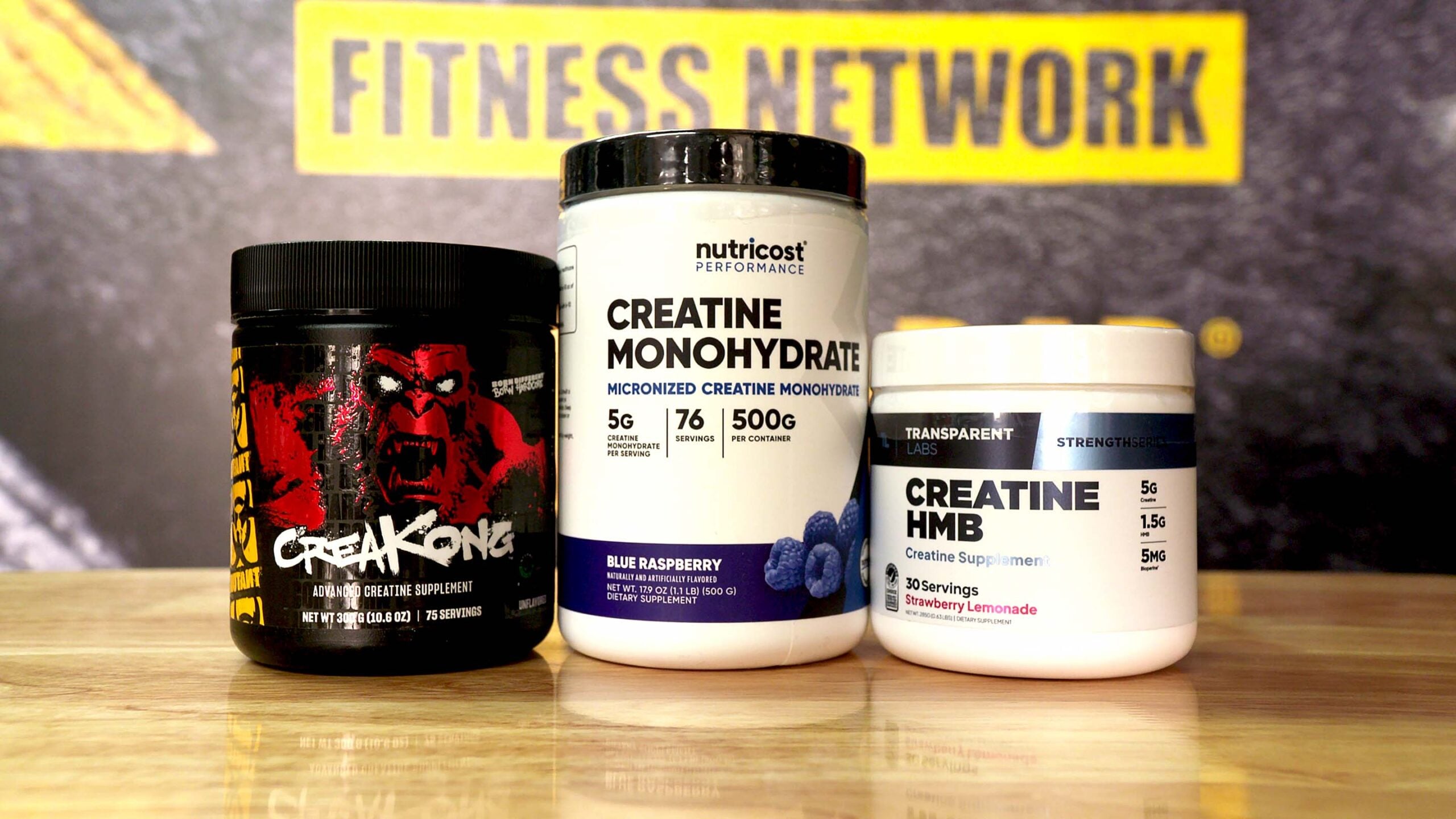
You can check out Generation Iron‘s list of the best, expert-reviewed creatine supplements for 2026 here:
Despite that broader popularity, experts continue to recommend taking creatine exactly as directed: by mouth, mixed into liquid, rather than attempting any unconventional methods of consumption.
Whether Harry’s recollection reflected a genuine belief or simply an anecdote from his younger years, the story serves as another reminder that one of bodybuilding’s most trusted supplements should be used for its intended purpose, not as a substitute for recreational drugs or as a party stimulant.
Image embed via Instagram @dailymailuk