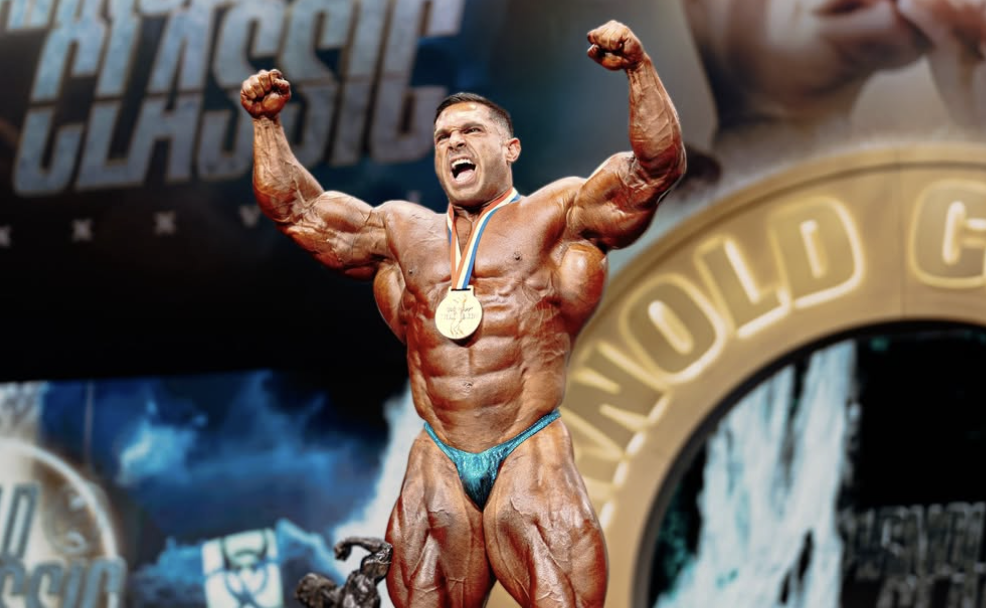
Gone are the days of the Golden Era
Bodybuilding has always been a sport about pushing the limits of the human physique. Since the early days of competitive bodybuilding, athletes have worked tirelessly to build bigger muscles, improve symmetry, and achieve the most impressive physiques possible. However, in recent years many fans, athletes, and industry experts have begun asking an important question: Is bodybuilding becoming too extreme?
From the massive size of today’s professional competitors who grace prestigious stages like the Mr. Olympia or the Arnold Classic, to the intense dieting, supplementation, and training required to compete at the highest level, modern bodybuilding looks very different from the sport’s earlier eras.
Understanding how bodybuilding has evolved can help determine whether the sport has simply progressed—or if it has crossed into territory that some might consider excessive. Our team at Generation Iron is going to look.
The Evolution of Bodybuilding Physiques
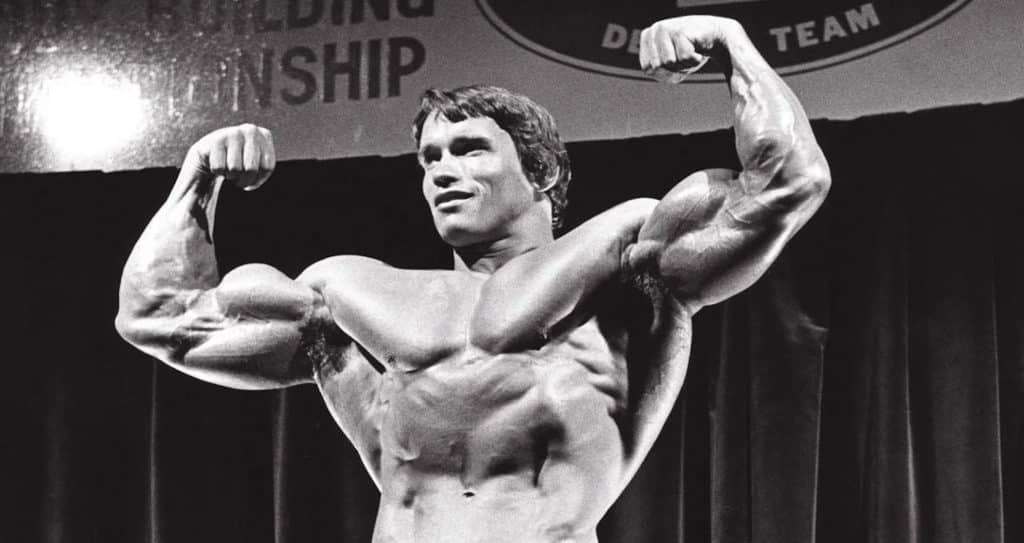
To understand the debate surrounding modern bodybuilding, it helps to look at how the sport has changed over time. During the “Golden Era” of bodybuilding in the 1970s and 1980s, competitors like Arnold Schwarzenegger focused on a balance of muscle size, symmetry, and aesthetics.
Athletes like Arnold Schwarzenegger helped popularize a physique that emphasized broad shoulders, a narrow waist, and balanced muscle development. While these athletes were incredibly muscular, their physiques were also known for their aesthetic appeal and classic proportions.
Over the decades, the sport gradually shifted toward rewarding larger and more massive physiques. By the 1990s and early 2000s, competitors such as Ronnie Coleman and Dorian Yates brought an unprecedented level of size and density to the stage. These athletes redefined what was possible in terms of muscular development.
Today’s competitors at the Mr. Olympia and Arnold Classic are often larger and more muscular than ever before. While this level of development is impressive, it has also sparked discussions about whether the sport has gone too far in prioritizing size above all else.
The Pursuit of Extreme Muscle Mass
One of the biggest reasons people say bodybuilding has become extreme is the sheer size of modern competitors. In the Open division, athletes often weigh well over 250 pounds while maintaining incredibly low body fat levels.
Achieving this level of muscularity requires years of intense training, strict nutrition plans, and meticulous attention to recovery. Professional bodybuilders often train multiple hours per day, follow extremely structured diets, and carefully monitor their body composition year-round.
While this level of dedication is admirable, critics argue that the pursuit of ever-larger physiques may push athletes toward unhealthy extremes. The pressure to remain competitive can lead some athletes to adopt training and lifestyle practices that are difficult to sustain or maintain safely over time.
The Role of Performance Enhancing Drugs

Another factor contributing to the perception that bodybuilding has become extreme is the widespread discussion around performance-enhancing drugs (PEDs). While PED use has existed in bodybuilding for decades, the conversation around it has become more open in recent years.
Some fans believe that the level of muscularity seen in modern professional bodybuilding is difficult to achieve without significant pharmacological assistance. This has led to debates about whether the sport should implement stricter testing or encourage more natural competition divisions.
At the same time, many athletes argue that bodybuilding is about pushing physical limits and that competitors understand the risks involved when pursuing a professional career in the sport.
The Rise of New Divisions
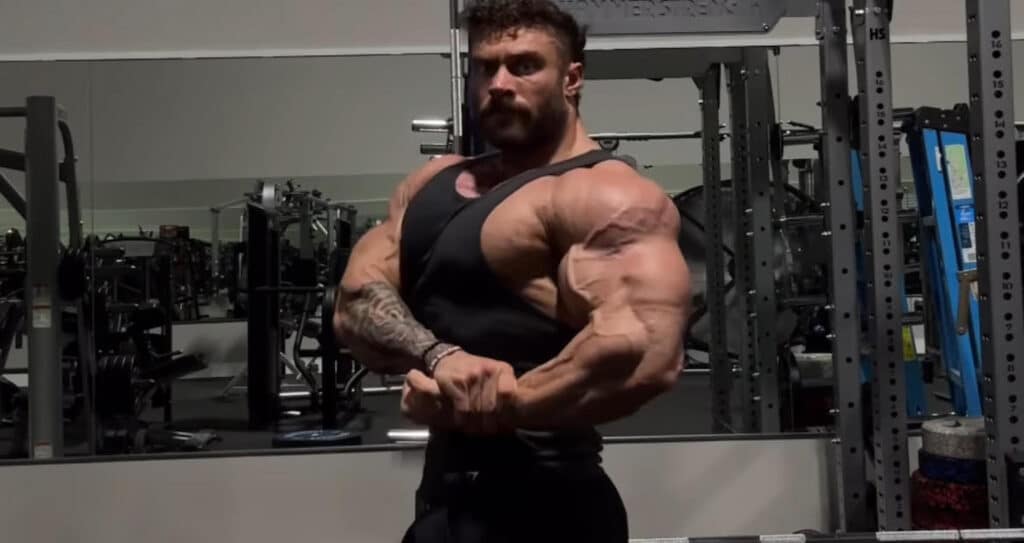
In response to concerns about the extreme size of Open bodybuilding, new divisions have been introduced to appeal to a broader audience and offer different physique standards.
One of the most popular additions has been the Classic Physique division, which emphasizes aesthetics, symmetry, and proportions rather than sheer size. Athletes like Chris Bumstead have helped make this division incredibly popular among fans who prefer the look of the Golden Era physique.
Classic Physique competitors are still extremely muscular, but they compete within weight limits based on their height. This helps maintain the classic proportions that many fans feel represent the original spirit of bodybuilding.
The popularity of these divisions suggests that while some fans enjoy the extreme size of Open bodybuilding, others are drawn to more balanced physiques.
The Demands of Competitive Bodybuilding
Another reason bodybuilding is sometimes seen as extreme is the intense preparation required to compete. Bodybuilders often spend months preparing for a competition through strict dieting and training.
During contest prep, athletes typically reduce their body fat to extremely low levels while trying to maintain as much muscle mass as possible. This process can involve calorie restriction, increased cardio, and highly structured meal plans.
The final stages of competition preparation—often referred to as “peak week”—can be particularly demanding. Athletes manipulate their water intake, sodium levels, and carbohydrate consumption to achieve the most defined appearance possible on stage.
While these strategies can produce impressive results under stage lighting, they can also place significant stress on the body if not managed carefully.
Social Media and the Pressure to Go Bigger
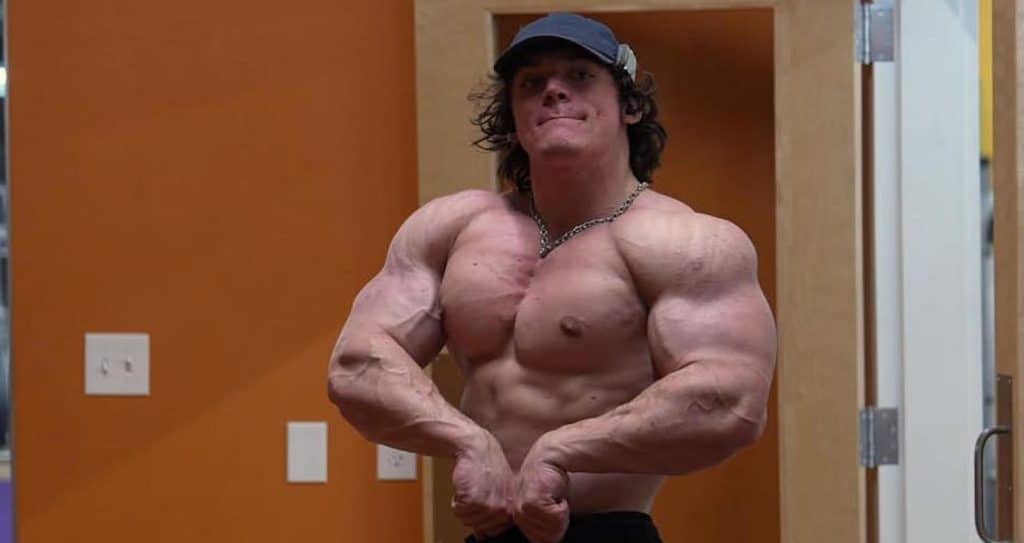
Social media has also played a role in pushing bodybuilding toward more extreme standards. Platforms like Instagram and YouTube allow athletes to share their physiques with millions of followers, creating constant pressure to stand out in an increasingly competitive fitness landscape. Take a look at Sam Sulek, who is young and has an insane physique.
This can sometimes lead athletes to chase more dramatic transformations, larger physiques, or lower body fat levels in order to attract attention online. While social media has helped grow the sport’s popularity, it has also contributed to the perception that bodybuilding is becoming more extreme than ever before.
The Balance Between Progress and Health
Despite these concerns, many fans and athletes believe bodybuilding is simply evolving like any other sport. In many ways, pushing physical limits is part of what makes bodybuilding fascinating.
Every generation of athletes builds upon the achievements of those who came before them. Just as earlier champions set new standards for size and conditioning, modern competitors continue to push the boundaries of what the human body can achieve.
However, the conversation about health, sustainability, and long-term well-being remains important. Many athletes today are placing greater emphasis on smarter training methods, improved recovery strategies, and maintaining health outside of competition.
Is Bodybuilding Too Extreme?
Ultimately, whether bodybuilding has become too extreme depends on how you view the sport.
For some fans, the massive size and extreme conditioning of modern competitors represent the pinnacle of human physical development. For others, the aesthetics and balance of earlier eras are more appealing.
The good news is that modern bodybuilding offers something for everyone. From Open bodybuilding’s incredible mass to the classic look of newer divisions, the sport continues to evolve while honoring its roots.
What remains unchanged is the dedication, discipline, and passion required to step on stage. Regardless of the era or division, bodybuilding will always be about pushing limits—and celebrating the incredible potential of the human body.
For more news and updates, follow Generation Iron on Facebook, Twitter, and Instagram.