Victor Martinez highlights the life and career of Nasser El Sonbaty – and whether or not he is fairly remembered in bodybuilding
The latest episode of the Generation Iron Podcast, hosted by Victor Martinez, Edwin Mejia Jr., Ehsan Farahi, and Vlad Yudin, dives into several hot topics in bodybuilding and fitness. The hosts cover everything from sodium loading before competitions to the growing debate over pro cards, while also reflecting on the legacy of Nasser El Sonbaty and analyzing recent celebrity transformations such as Dana White and Matt Damon.
Here’s a brief rundown of the topics discussed this week:
- An overview on sodium loading – both risks and benefits.
- The pro card debate returns: does it even matter how many pro cards are given out?
- Victor Martinez answers: is Nasser El Sonbaty’s legacy underrated?
- Analyzing the physique transformations of Dana White and Matt Damon.
You can watch the latest Generation Iron Podcast episode above. Keep reading for a full breakdown of the discussion below. Let’s dive in!
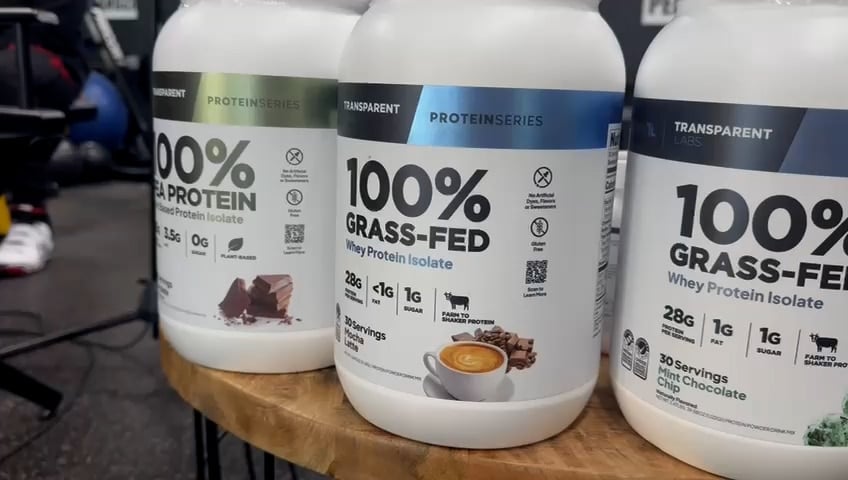
This week’s episode of the podcast is brought to you by Transparent Labs. If you would like to try Transparent Labs Grass-Fed Protein for yourself, save 10% OFF using code GENIRON10.
For a limited time, Transparent Labs is giving away a FREE Protein Starter Kit with every Grass-Fed Protein subscription! This kit includes a shaker bottle and a variety pack of 5 single-serving protein pouches in their top flavors, so you can find your favorite.
Fan Question: What Is Sodium Loading and How Does It Work?
The episode begins with a fan asking Victor Martinez to explain sodium loading. The question suggests a belief that sodium manipulation could lead to extreme weight loss—up to 20 pounds in one day. This fan question came after Kai Greene mentioned sodium loading on his latest podcast episode.
Victor immediately clarifies that sodium loading doesn’t burn fat. Instead, it manipulates water weight. Competitive bodybuilders weigh themselves multiple times a day, often in the morning and at night, because water retention can fluctuate significantly. It’s common to see a natural difference of 8–10 pounds in one day depending on diet, hydration, and sodium intake.
How Sodium Loading Works
Victor explains the basic process:
- Loading phase – Consume high amounts of sodium for several days before a competition.
- Cutting phase – On the final day (often the day before a show), competitors cut sodium intake completely while drinking large amounts of water.
This manipulation forces the body to flush out water, creating a drier and more shredded appearance on stage.
Misconceptions About Sodium Loading
Victor Martinez emphasizes a key mistake many new athletes make. They believe sodium loading helps them suddenly drop 10–20 pounds of real weight during the final week. In reality, the loss comes from flushing out excess bloat and water retention, not fat. Competitors should understand that this method does not change their true baseline weight.
The Dangers of Sodium Loading
Victor Martinez also issues a warning: sodium loading can be dangerous. Rapid sodium manipulation strains the liver and kidneys and can disrupt potassium balance, leading to serious health consequences. These risks increase when combined with diuretics or supplements, which can result in hospitalization – or in the worst cases, death.
While sodium loading can be effective when done carefully, Victor stresses that moderation is key. Extreme attempts to shed 20 pounds or more in a short time can cause life-threatening complications.
Unlock The Extended & Uncensored Version Of This Podcast
The Pro Card Debate: Is More Better?
The hosts then discuss a major topic dividing bodybuilding fans and athletes—the distribution of IFBB Pro Cards.
Recently, Kevin Levrone voiced his opinion that giving out more pro cards isn’t an issue. His argument is simple:
“The best is going to rise to the top. Give out 300–400 Pro Cards. The cream is still going to rise. Give out 1,000 Pro Cards, I don’t care. Only one person can win the Olympia.”
Victor Martinez acknowledges both sides of the argument. On one hand, awarding pro cards at smaller, less competitive shows can frustrate athletes who believe it lowers the prestige of the achievement. On the other hand, more pro cards do not change the reality—only the best athletes make it to the Olympia stage and capture fan and media attention.
From a business standpoint, giving out more pro cards makes sense. It generates more income, attracts more fans, and encourages athletes to engage with the sport—even if they never reach the elite level.
Then vs Now
Ehsan recalls that in the 1990s, earning a pro card was a monumental achievement. Communities would celebrate it. Today, going pro feels more common and, in his words, “nothing special.” Victor adds that years ago, bodybuilders would wait to be asked if they were pro. Now, many declare it immediately as part of their identity.
The discussion also touches on athletes who earn their pro card but never compete professionally. Instead, they leverage the IFBB Pro label to promote training services or brands on social media. This trend led the IFBB to introduce a rule requiring athletes to compete at least once every three years to retain pro status.
In the end, the hosts agree with Levrone’s point: regardless of how many pro cards are given out, only a handful of competitors will rise to the top and battle for Olympia glory.
Nasser El Sonbaty: Underrated or Overlooked?
The conversation shifts to legendary bodybuilder Nasser El Sonbaty, who earned second place at the 1997 Mr. Olympia and passed away in 2013.
Victor Martinez says Nasser is not underrated by those who watched him compete, but younger fans may not appreciate his impact because they didn’t see him in his prime. Victor recalls meeting him in 2004 and being shocked at his sheer size, describing him as someone who could easily dwarf others backstage.
Competitive Edge
Nasser was known as a serious, no-nonsense competitor, especially during contest prep. Victor labels him a “hard bodybuilder,” someone who avoided distractions and stayed laser-focused before stepping on stage.
The hosts debate whether Nasser should have beaten Dorian Yates in 1997. That year, Dorian had a torn bicep that weakened his physique, but he still secured the win. Victor suggests Nasser may have deserved first place, which would have cemented his name among the greatest. Instead, his career is remembered for reaching, but not surpassing, second place.
Weak Points and Legacy
Victor Martinez notes that Nasser’s lower back and quads were his biggest weaknesses. If he had perfected those areas, he might have been unstoppable. Unfortunately for Nasser, the following year ushered in Ronnie Coleman’s reign, which left little room for anyone else.
RELATED: Watch the documentary, Dorian Yates: The Original Mass Monster, on digital today
Celebrity Fitness: Dana White and Matt Damon
The final segment highlights two recent celebrity physique transformations.
Dana White’s Transformation
UFC President Dana White, at 56 years old, impressed fans with his results following the SuperHuman Training split. Victor Martinez isn’t surprised. As the head of one of the world’s biggest combat sports organizations, Dana is constantly surrounded by elite athletes. Add in wealth, resources, and time, and Victor argues that someone in Dana’s position has no excuse not to be in shape.
Matt Damon’s Shredded Look
The hosts also discuss actor Matt Damon, who at 54 years old revealed a lean and muscular look for his upcoming film The Odyssey. While many online commenters criticized Damon’s physique as “not impressive,” Victor dismisses the negativity.
For the average person, Damon’s transformation is remarkable – especially at his age. Victor Martinez points out that bodybuilding fans often judge physiques through the lens of the Olympia stage. By that extreme standard, even strong transformations can seem underwhelming. But in reality, Damon’s physique is both inspiring and admirable, continuing his long history of staying fit for action roles.
Victor concludes that much of the online hate is just noise from contrarians seeking attention. For everyday people, Damon’s achievement deserves respect.
Wrap Up
This episode of the Generation Iron Podcast covered a wide range of bodybuilding insights and debates. From the science and dangers of sodium loading, to the shifting meaning of pro cards, to honoring Nasser El Sonbaty’s legacy, and finally to celebrating celebrity fitness, the discussion offered both valuable education and entertaining perspective.
The key takeaway? Whether you’re an aspiring competitor, a seasoned pro, or a fan of fitness, understanding the realities of these practices and debates is essential. In bodybuilding—just like in life—the cream always rises to the top.