Boost Your Testosterone Levels Through Training
Testosterone is the primary male hormone responsible for the development of the reproductive tissues and is responsible for anabolic effects. Testosterone is the sex hormone which plays a key role in promoting secondary sexual characteristics in men such as increased muscle and bone mass, and the growth of body hair.
A lack of testosterone can be the leading cause for the inability to gain muscle mass in men. Women can’t develop muscle mass like their male counterparts because of the lack of testosterone production in their bodies. If you’ve hit a plateau, boosting your test levels can help you achieve new gains.
That being said, our team at Generation Iron is going to break down how to increase your testosterone levels through your workouts.
Make the Time in The Gym Count
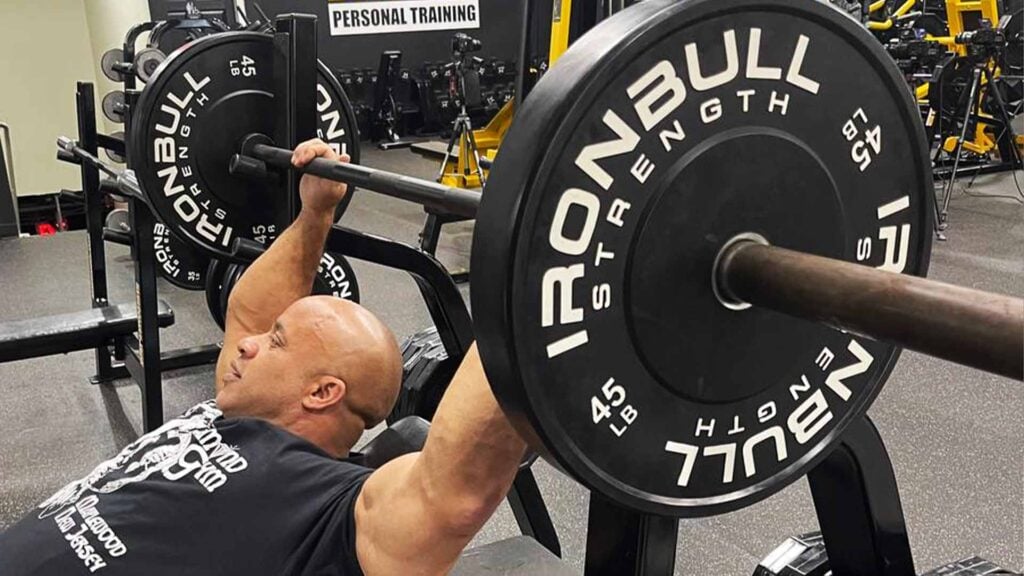
Many people spend longer in the gym than they should, and that actually can hurt your gains. If your goal is to build muscle while boosting your test levels, you should aim for keeping the intensity of your workouts high. Spending more time in the gym after a certain duration can be counterproductive.
Performing high-intensity workouts for a longer duration can spike your cortisol levels which can make your body enter the catabolic (muscle losing) state. Keep your workout intensity high and spend no more than 1-1.5 hours in the gym.
Limit Your Rest Time Between Sets
Taking a structured approach to setting your rest time between sets can improve your results. A one-minute rest period between sets can be way more effective than a three-minute break where you reply to texts and scroll through your Instagram feed.
Recent research shows that 90-120 seconds of rest between sets is optimal for boosting testosterone and lowering cortisol levels (1). You can opt for a 60-90 second rest time during isolation exercises and a 90-120 second rest while doing compound exercises like squats and deadlifts.
Perform Compound Exercises
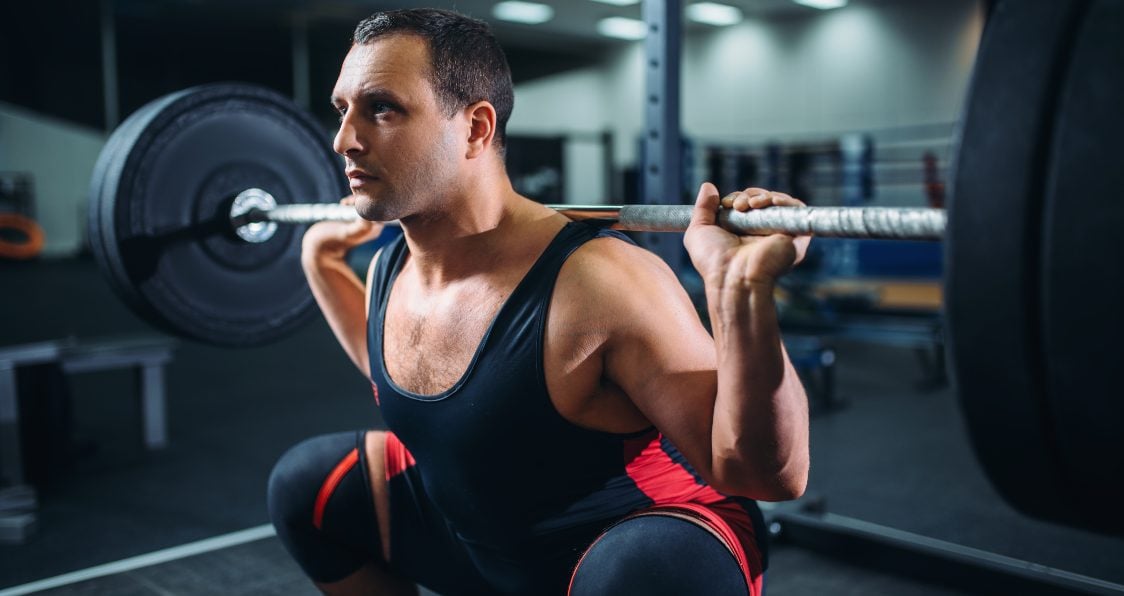
While isolation exercises are great for building muscle definition, compound (multi-joint) exercises like the squat, deadlifts and bench press are what helps with building muscle mass and can naturally boost your testosterone levels.
Whenever you have an option, chose the free-weight exercises over machines as they recruit multiple joints and can boost testosterone production. Challenge yourself in the gym by performing difficult and heavy lifts.
Hit Failure
Most people in the gym have the wrong notion of overtraining. People leave gains on the table by not pushing their limits for the fear of overtraining. Surprising your muscles by hitting failure every once in a while can spark new growth in your muscles and will ignite new test production.
When you target failure, you’re by default increasing the intensity of your workouts which is linked to higher testosterone production. You can use advanced training techniques like supersets, drop sets, BFR training to push past failure and shock your muscles into growing.
Supplement
Just like what you eat and how you train, supplements too can affect your t-levels. Test-boosting supplements work by correcting nutrient deficiencies that harm testosterone production.
Majority of quality t-boosting supplements contains zinc (support overall test levels), Vitamin D (supports male reproductive function), fenugreek extract (support bioavailable testosterone within the body), longjack (support a healthy testosterone-to-estrogen balance in older men), etc. These supplements can also improve sleep and reduce stress, both of which can impact testosterone levels.
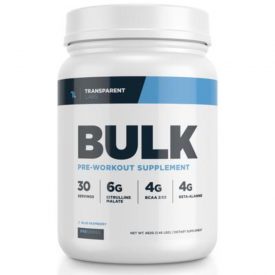
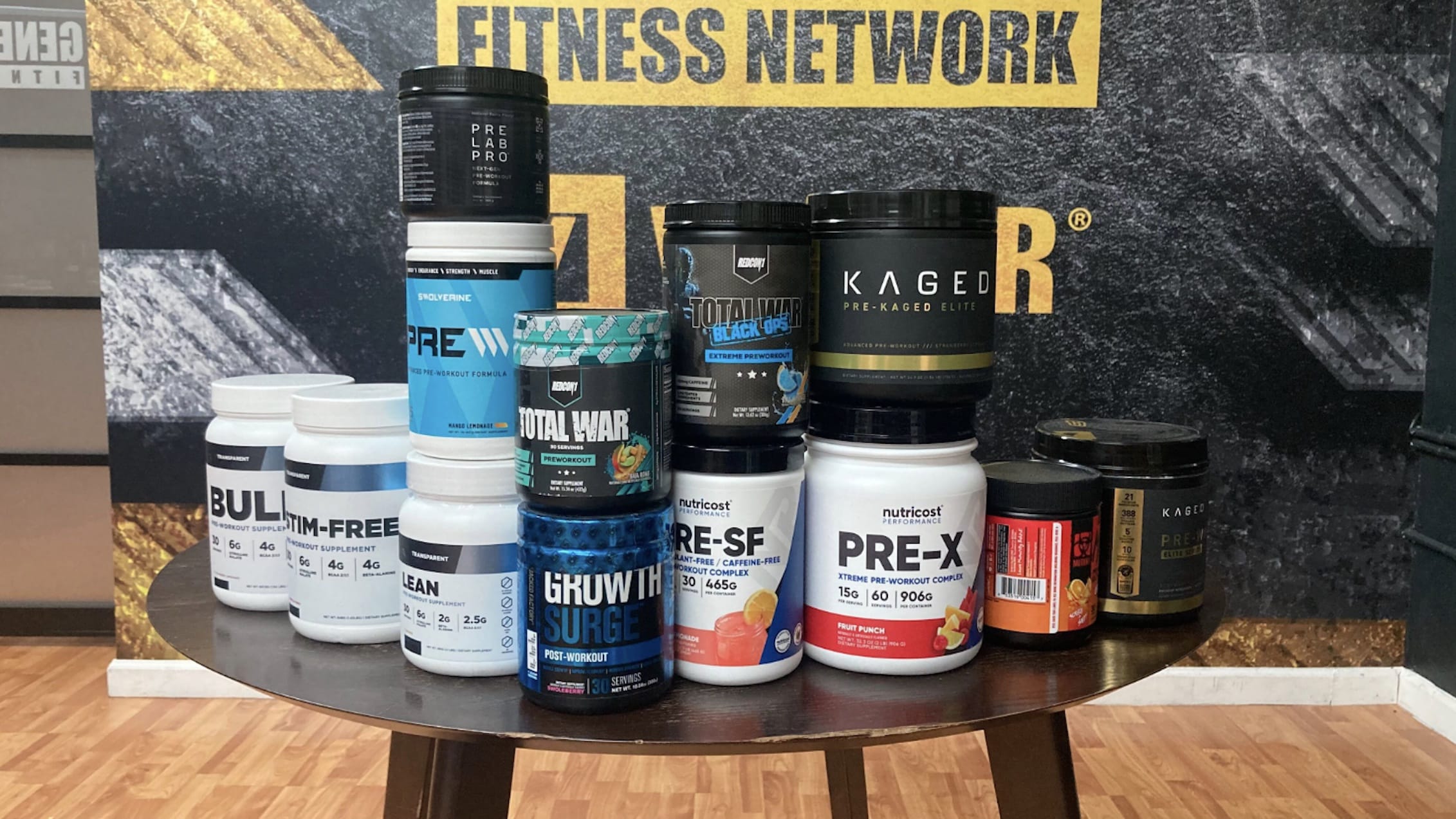
Transparent Labs PreSeries BULK is backed by science with clinically effective dosages to increase muscle size and mass. This pre-workout is perfect for reducing fatigue, aiding in muscle growth, and boosting energy levels for better overall performance.
Check out Transparent Labs Vitality. This is our top choice for a testosterone booster, because it boasts an innovative 3-in-1 natural hormone optimizing supplement that can work wonders for your overall health and performance goals. This supplement works to boost testosterone levels while controlling estrogen and cortisol production so those suffering from low testosterone never have to worry.
With a powerful formula packed with amazing ingredients, this supplement sets the foundation for lean muscle gains, fat burning, strength, libido, confidence, and overall vitality to ensure your workouts, activities, and lifestyle are all enhanced.
What About TRT?
Now if all else fails, and you cannot boost your testosterone levels through working out, then perhaps seeking medical attention and obtaining something like testosterone replacement therapy is the way to go.
Not all testosterone replacement therapy providers offer the same level of care—and Titan Medical stands in a league of its own. Their team of licensed professionals specializes exclusively in men’s hormone health, using evidence-based protocols and the latest research to create truly personalized treatment plans. Every patient’s journey begins with thorough lab testing, an in-depth symptom review, and a full medical history analysis, ensuring the therapy is tailored to his exact needs. Rather than relying on one-size-fits-all solutions, Titan prioritizes precision, safety, and measurable, lasting results.
What truly sets Titan Medical apart is its whole-body approach to hormone optimization. They look beyond testosterone, assessing vital markers like estrogen, thyroid function, and growth factors to build a complete hormonal profile. Patients receive continuous support through regular blood work, progress tracking, and dosage adjustments that keep treatment effective long term. With nationwide telehealth consultations, at-home testing kits, and discreet medication delivery, expert care is always within reach. Titan’s commitment goes far beyond balancing hormones—they address sleep quality, mood, sexual health, cognitive function, and metabolism—helping men reclaim their vitality, confidence, and overall wellness.
Wrap Up
What do you do to boost your testosterone levels? Let us know in the comments below. Also, be sure to follow Generation Iron on Facebook and Twitter.
References
- Rahimi, R.; et al. (2011). “Effects of very short rest periods on testosterone to cortisol ratio during heavy resistance exercise in men”. (source)