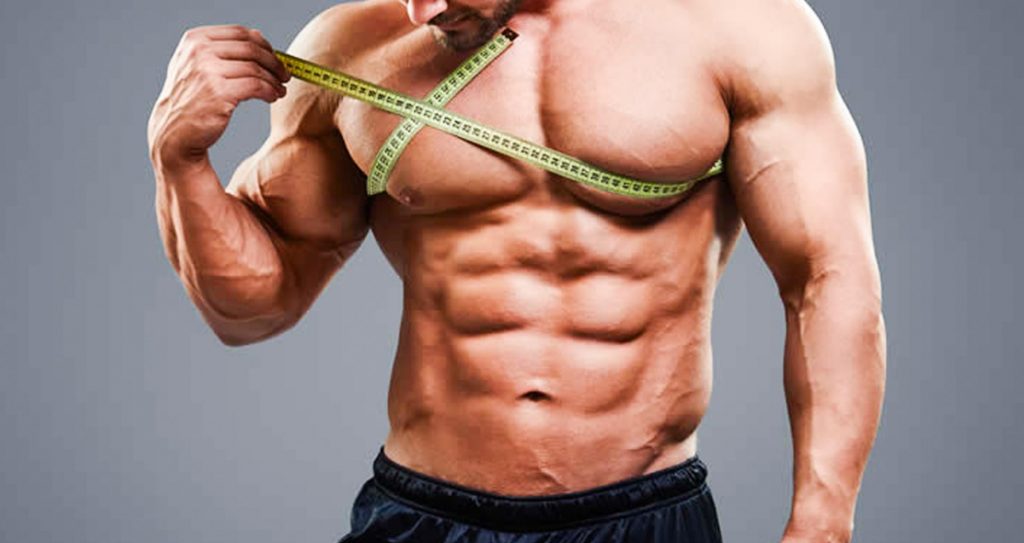
You can avoid the “dad bod” with the proper workout, nutrition, and lifestyle strategies.
For many men, aging and weight gain often go hand in hand, driven by factors like reduced physical activity, poor eating habits, a slower metabolism, and hormonal shifts, such as declining testosterone levels. As the years pass, relaxing at home — snacking and enjoying a beer in front of the TV — can feel like the perfect way to unwind. But this lifestyle is a major contributor to the so-called “dad bod.”
Now, let’s be clear: the dad bod isn’t necessarily unattractive. In fact, many women admit to finding it appealing. However, beneath its charm lies a potential for serious health risks. Left unchecked, this body type can quickly transition from mildly out of shape to an unhealthy physique. While it’s understandable that spending hours at the gym sculpting a perfect body isn’t feasible for most, there are still practical ways to stay fit and healthy.
So, what are the real dangers of the dad bod? This article examines the health risks, provides actionable solutions, and includes a sample workout plan to help you transform your routine. If you’re embracing the dad bod but want to stay active and healthy despite the challenges of work, family, and limited downtime, keep reading.
Overview — What Is the Dad Bod?
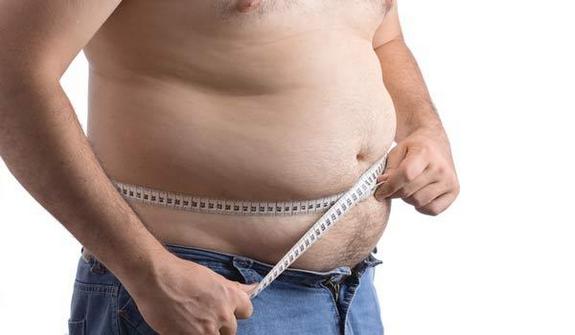
The dad bod is simply the average man who doesn’t have that lean and shredded physique, but may be somewhat in shape. They may have some muscular arms and legs, but a “beer belly” to support it. It is common for the lifestyle of middle-aged men to focus more on family, with little or no time for a proper diet and exercise.
A typical dad bod may look skinny fat, with “flappy arms” and a beer belly. Over the years, people have used the term dad bod to describe a body type ironically considered attractive and sometimes unattractive by people, especially by women.
Some other school of thought refers to the dad bod as not too fit, but fit enough. You could have some fat, but not enough to become overweight. Despite the various thoughts about the dad bod, what is important is feeling good about your body, staying fit, eating right, and exercising.
Causes
Most middle-aged men are victims of the dad bod. This is around the time when people start families, are seriously focused on building their careers, and have less time for physical activities if not carefully planned. Below, we delve further into this conundrum.
Drop in Testosterone Levels
Men who live with their partners experience a drop in testosterone levels by 20-30% until six months after a baby is born, according to the Proceedings of the National Academy of Sciences of the United States of America (1). Testosterone is a hormone that plays a key role in muscle building and fat burning, a factor often lacking in the dad bod. Additionally, testosterone levels usually peak in the mid-thirties and reduce drastically after that.
Reduced Physical Activities
The added responsibilities, especially on the home front, leave little time to engage in other physical activities. As a result, exercise is reduced, and men tend to engage in more sedentary leisure activities. Additionally, weekends when physical activities like hiking can take place are used for much-needed rest instead.
Diet Choice
Increased responsibilities cause older men to grab quick fast food instead of taking the time to prepare a healthy, well-balanced meal. This can lead to an unhealthy diet that includes processed foods and excessive calories, resulting in weight gain. Skipping breakfast to be in a calorie deficit can also lead to a low-energy day, making it a non-viable option for most.
Time Constraint
A working man, dad, or both can find it increasingly difficult to make the time to set a workout plan and stick by it. If you’re not working out, all that muscle mass you would have gained may accumulate as fat.
Lack of Sleep
Lack of adequate sleep can affect how you feel and look. Being a dad with your baby waking you in the middle of the night is a prominent cause for the dad bod. It affects the hormones, increases stress levels, and affects your body’s metabolism.
The Dad Bod Workout Plan

Being a dad or a working man doesn’t mean you can’t still have time to achieve your desired body and avoid the dreaded dad bod. Yes, the daily struggles can be damning, but this is why this carefully structured dad bod workout plan ensures you effectively manage your time and position yourself to get the best results. It’s about pushing your muscles to their maximum without unnecessary injuries.
However, before starting your weight training and muscle-building exercises, be sure to do some cardio exercises to warm up the muscles. This study demonstrates that engaging in cardio exercises can help lower blood pressure and enhance cardiovascular function, ultimately reducing cardiovascular mortality (2). Also, warming up before major exercises can help improve exercise performance (3).
Workout One
| Exercise | Sets | Reps |
| Bulgarian Split Squat | 4 | 10-12 |
| Incline Dumbbell Press | 3 | 8-12 |
| Pull-Up | 3 | AMRAP |
| Tricep Pushdown | 2 | 10-12 |
| Knee Raise | 2 | 10-12 |
Workout Two
| Exercise | Sets | Reps |
| Squat | 4 | 10-12 |
| Bench Press | 3 | 8-12 |
| Bent Over Row | 3 | AMRAP |
| Skull Crusher | 2 | 10-12 |
| Leg Press | 2 | 10-15 |
Workout Three
| Exercise | Sets | Reps |
| Deadlift | 4 | 10-12 |
| Chest Supported Dumbbell Row | 3 | 8-12 |
| Barbell Overhead Press | 3 | AMRAP |
| Dumbbell Curl | 2 | 10-12 |
| Hamstring Curl | 2 | 10-12 |
| Leg Extension | 2 | 10-12 |
Follow Generation Iron on Instagram, Facebook, and Twitter for more fitness tips and learn how to avoid the dreaded dad bod for life!
References
- Gettler, L. T., McDade, T. W., Feranil, A. B., & Kuzawa, C. W. (2011). Longitudinal evidence that fatherhood decreases testosterone in human males. Proceedings of the National Academy of Sciences of the United States of America, 108(39), 16194–16199. https://doi.org/10.1073/pnas.1105403108
- Nystoriak, M. A., & Bhatnagar, A. (2018). Cardiovascular Effects and Benefits of Exercise. Frontiers in cardiovascular medicine, 5, 135. https://doi.org/10.3389/fcvm.2018.00135
- Fradkin, A. J., Zazryn, T. R., & Smoliga, J. M. (2010). Effects of warming-up on physical performance: a systematic review with meta-analysis. Journal of strength and conditioning research, 24(1), 140–148. https://doi.org/10.1519/JSC.0b013e3181c643a0