Thigh size is linked to one’s overall health.
The thigh is a prominent part of the body, home to some of the largest and most powerful muscles. These muscles play a crucial role in flexibility, stability, coordination, and explosive lower-body movements. Beyond their functional importance, well-developed thighs have also become a hallmark of an ideal physique, making them a key focus in many bodybuilding categories. This is why exercises like squats and leg extensions are gym staples for anyone looking to build stronger, more defined thighs.
But what exactly is the ideal thigh size for men and women? Interestingly, thigh size isn’t just about aesthetics — it can also be linked to overall health. In this article, we’ll explore the perfect thigh proportions, their relationship to wellness, and alternative exercises to grow or slim down your thighs. Dive in for everything you need to know about achieving the ideal thigh size.
Overview — Ideal Thigh Size
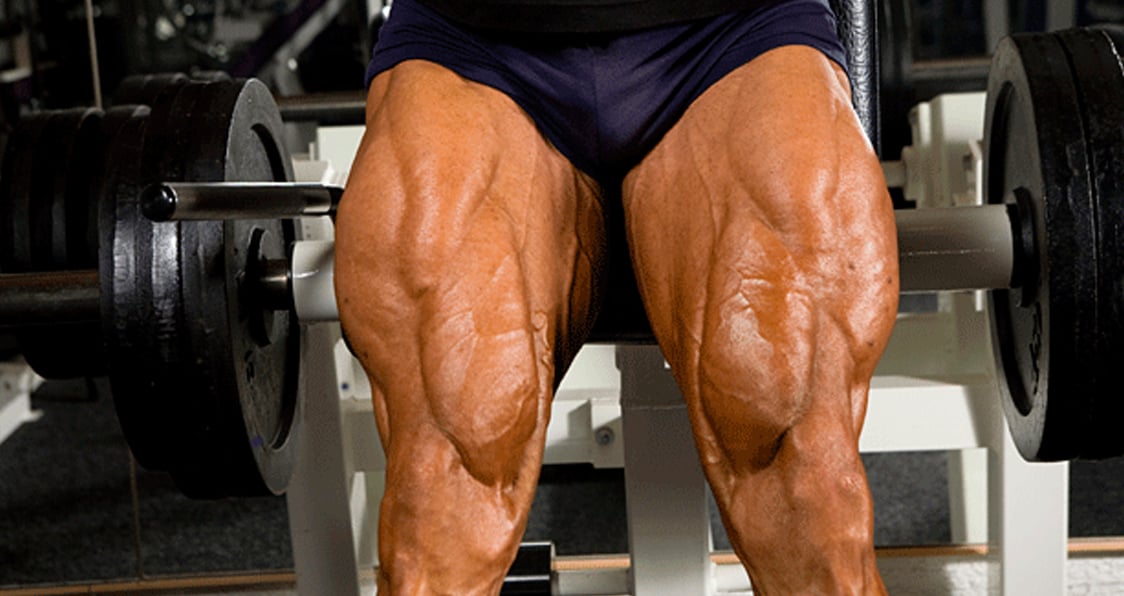
We find the thigh in the upper leg, the area between the pelvis/hip and the knees. It is considered part of the lower body, with the major bone called the femur. The thighs also house muscles which help with movement, including the adductors, hamstrings, and the quads as their major muscles.
The thigh muscles hold most of your body weight and help keep your lower body muscles stable and balanced. They help perform fundamental movements, which include jumping, walking, sprinting, and changing directions. Below are the muscles in the thighs.
Hamstrings
The hamstrings, located at the back of your thighs, play a crucial role in extending your hip and moving your leg back. It also allows you to bend and flex your knees.
Quadriceps
The quadriceps, or quads, are the major thigh muscles you can find in front of your leg. This helps to extend and flex your hip, allowing you to move your leg forward.
Adductors
The adductors are located on the sides of your thighs and play a key role in bringing your thighs together. They also help keep your hips and legs in straight alignment and allow rotation through the legs and the hips.
The other muscles of the thighs are the sartorius, iliopsoas, and the pectineus. These muscles help you flex and rotate your thighs from and at your hip joints. This allows you to perform different lower body movements.
How to Measure Your Thighs
The thighs occupy a considerable length and size of your lower body, providing multiple points to measure. However, the largest part, which is found in the upper-middle region, is what most stats use.
Here are detailed step-by-step instructions for correctly measuring your thigh:
- Keep your muscles relaxed and stand straight with your feet shoulder-width apart.
- Locate the thickest part around your thighs and wrap the measuring tape around it. Read the tape where it intersects.
- Keep the tape horizontal but not too tight when measuring. You could wiggle around the measurement area to get an accurate reading.
The Ideal Thigh Size For Women
There isn’t an ideal thigh size for women in the sense of the word, as it largely depends on their body composition, height, and age. However, there are stats on what the average thigh size is for women across many age groups. The 2008 anthropometric reference data from CDC2 provided the following (1).
| Age | Number Examined | Average Thigh Size (cm) |
| 8 | 171 | 38.2 |
| 9 | 182 | 40.8 |
| 10 | 181 | 43.1 |
| 11 | 170 | 45.7 |
| 12 | 243 | 46.5 |
| 13 | 287 | 48.4 |
| 14 | 265 | 49.0 |
| 15 | 236 | 49.7 |
| 16 | 245 | 50.0 |
| 17 | 240 | 51.9 |
| 18 | 266 | 52.1 |
| 19 | 231 | 52.3 |
| 20-29 | 667 | 52.9 |
| 30-39 | 641 | 54.2 |
| 40-49 | 756 | 54.4 |
| 50-59 | 566 | 53.2 |
| 60-69 | 660 | 52.2 |
| 70-79 | 433 | 49.6 |
| 80 Above | 342 | 47.5 |
One can see from these statistics that the average thigh size depends on body composition, height, and age range. Preference is another crucial factor. While some women prefer large, muscular thighs, others would prefer smaller thighs.
The Ideal Thigh Size For Men
Thigh size for men is a little different from that of women. It’s about the size and proportions. For a man, the ideal thigh size should be 0.53 times that of the chest and 1.75 times larger than the knee.
Referencing the same anthropometric reference data from CDC2 in 2008, here are the stats for the average thigh sizes of men of all ages.
| Age | Number Examined | Average Thigh Size (cm) |
| 8 | 138 | 38.3 |
| 9 | 170 | 39.9 |
| 10 | 169 | 42.2 |
| 11 | 153 | 44.1 |
| 12 | 266 | 46.0 |
| 13 | 281 | 47.9 |
| 14 | 254 | 49.3 |
| 15 | 264 | 51.4 |
| 16 | 302 | 53.5 |
| 17 | 270 | 53.3 |
| 18 | 271 | 53.6 |
| 19 | 261 | 54.8 |
| 20-29 | 777 | 55.1 |
| 30-39 | 706 | 55.1 |
| 40-49 | 741 | 55.0 |
| 50-59 | 561 | 53.2 |
| 60-69 | 643 | 51.9 |
| 70-79 | 526 | 50.0 |
| 80 Above | 301 | 46.6 |
The stats of these ideal thigh sizes for men and women were taken from people of all walks of life, which included:
- Elite athletes
- People who have never exercised
- Gym goers
Your Thighs & Your Health
Looking at these surveys, they didn’t separate thighs with well-defined muscularity from thighs with high-fat percentages. These types of thighs are different and hurt your overall health.
This study also further explained the advantage of having bigger thighs over smaller thighs. Smaller thighs are more prone to accidents and injuries compared to larger thighs. They can also lead to severe health complications, including the risk of coronary heart disease and cardiovascular health (2).
Here’s another study showing the relationship between leg power and cognitive function (3). In this study, researchers found that stronger legs can predict cognitive aging, higher IQs, and changes in brain structure.
How to Grow Your Thighs
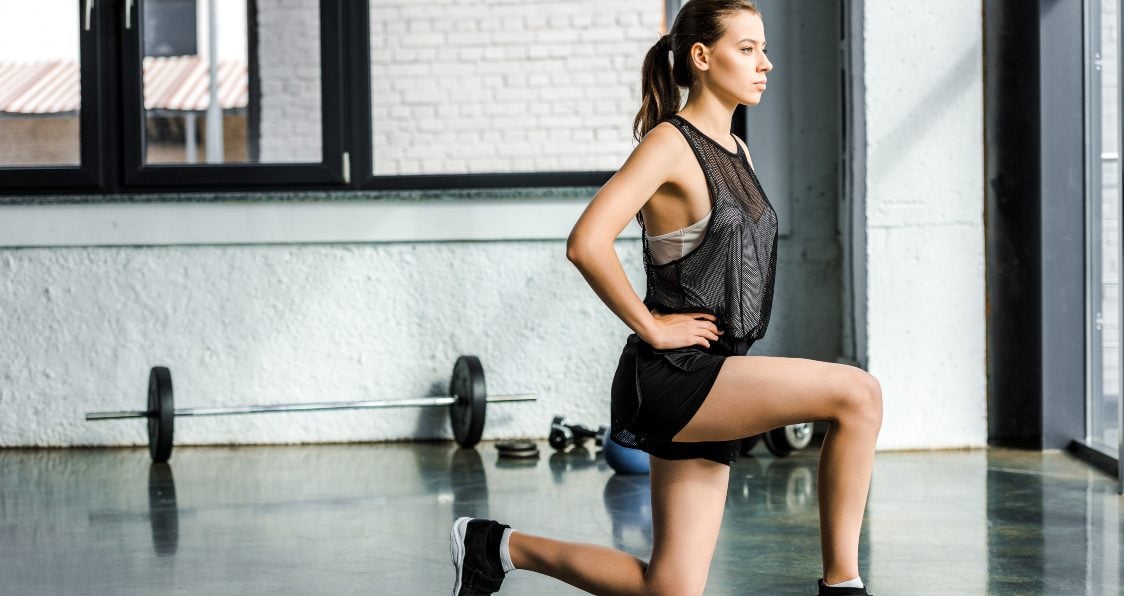
Growing your thighs is about being consistent with nutrition and exercise. So don’t focus too much on the ideal thigh size for men and women. Yes, some people have good thigh genes, but it is also possible to grow your thighs through consistency.
Eat healthy foods filled with essential nutrients like protein, carbs, and healthy fats. You can also perform exercises that focus on the lower body. These exercises must focus on hypertrophy to enhance thigh development.
Remember the thigh consists of different muscles, and these exercises must specifically target these muscle groups. Here are some other specific exercises you can try to grow your thighs:
Quads
- Leg Extensions
- Bulgarian Split Squats
- Narrow Leg Placed 45-Degree Leg Presses
- Hell Elevated Goblet Squats
- Weighted Walking Lunges
- Hack Squats
- Sissy Squats
Hamstrings
- Stiff Leg Deadlifts
- Leg Curls
- Hip Thrusts
- Hip Extensions
- Romanian Deadlifts
- Good Mornings
- Rack Pulls
- Sumo Squats
- Wide Leg Placed 45-Degree Leg Presses
Adductors
- Adductor Machines
- Standing Banded Adductions
- Side-lying adduction
- Lateral lunge
- Cable hip adduction
Conclusion
You can also do cardio routines to help with leg growth. Cycling, sprinting, long-distance running, and swimming are good examples of how to improve your leg muscularity. However, if you’re looking to reduce the size of your legs, you should consider whether the reason is excess fat or muscle.
If it’s a result of excess fat, then you might need to focus on diet changes and workouts that can help with weight loss. Now, if it’s being too muscular because of athletic activities or genes, you might have to tone down on leg training.
Follow Generation Iron on Instagram, Facebook, and Twitter for more fitness data!
References
- McDowell, M. A., Fryar, C. D., Ogden, C. L., & Flegal, K. M. (2008). Anthropometric reference data for children and adults: United States, 2003–2006 (National Health Statistics Reports, No. 10) [PDF]. National Center for Health Statistics. U.S. Department of Health and Human Services. Retrieved from https://www.cdc.gov/nchs/data/nhsr/nhsr010.pdf
- Heitmann, B. L., & Frederiksen, P. (2009). Thigh circumference and risk of heart disease and premature death: prospective cohort study. BMJ (Clinical research ed.), 339, b3292. https://doi.org/10.1136/bmj.b3292
- Steves, C. J., Mehta, M. M., Jackson, S. H., & Spector, T. D. (2016). Kicking Back Cognitive Ageing: Leg Power Predicts Cognitive Ageing after Ten Years in Older Female Twins. Gerontology, 62(2), 138–149. https://doi.org/10.1159/000441029