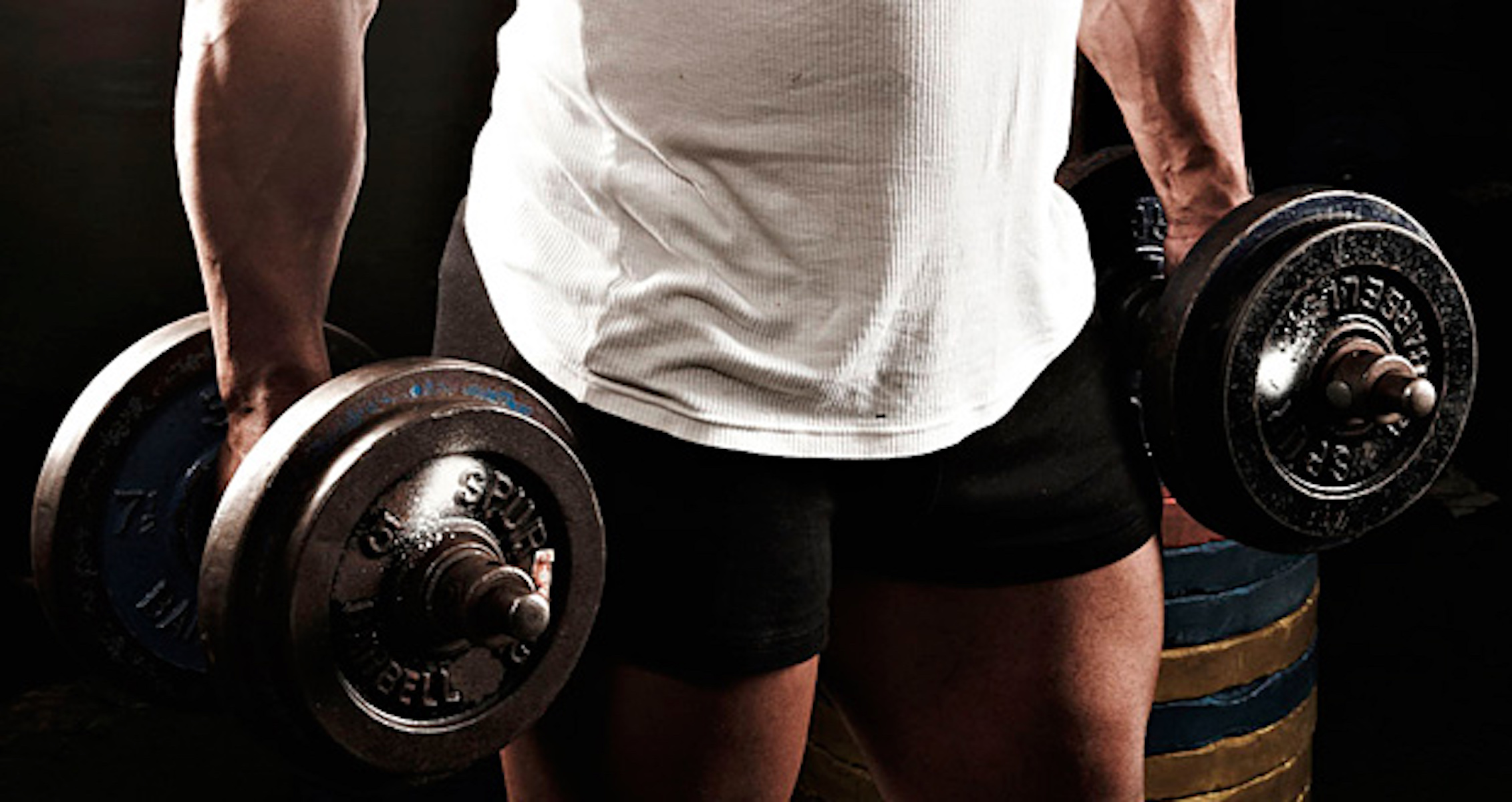
Banded pull parts are great for your shoulder health and for performing pre-workout as a warm-up.
When it comes to building strong back muscles, exercises like rows and deadlifts often come to mind. These movements are highly effective for adding strength and muscularity to your back. However, if you’re feeling tightness in your upper back and shoulders — often caused by long hours of sitting — incorporating dynamic stretches can significantly improve your posture (1).
One highly beneficial stretch to try is the banded pull apart. This dynamic movement not only targets your back muscles but also helps alleviate stiffness and promote better mobility. In this article, we’ll explore the benefits of banded pull aparts, the muscles they target, and provide a detailed, step-by-step guide to ensure you perform them correctly. Let’s get started!
Overview — What Are Banded Pull Aparts?
The banded pull apart is a strength training routine that uses a resistance band to work and strengthen your muscles. It is an exercise that both beginners and advanced athletes can perform for tremendous benefits for shoulder and upper back health. Additionally, because it uses a resistance band, you can do this routine anywhere and anytime.
For instance, after sitting for a long time in a chair at work, and your back gets stiff, take some time out to exercise those stiff muscles using banded pull aparts. Many also consider this exercise an effective warm-up routine before major training. They can also work as accessory exercises to other compound back routines.
Banded Pull Aparts Exercise — Muscles Worked
Banded pull aparts, also known as resistance band pull aparts, are an isolation movement that primarily targets the upper back muscles (2). Using a resistance band provides constant time under tension, which could lead to explosive strength and muscle growth benefits. This study shows that muscle time under tension is a recipe for optimizing muscle growth (3).
Strengthening your muscles with banded pull aparts can improve pressing movements for other exercises, such as the bench press, back-building exercises like rows and pulldowns, and shoulder-building routines like shoulder presses. Here are some target muscles that the banded pull apart works.
Shoulders & Rotator Cuffs
Performing the banded pull apart targets explicitly the posterior deltoid muscle, which is visible in your back. The posterior deltoid is one of the three shoulder heads that make a well-rounded and defined shoulder. It also works the supraspinatus, infraspinatus, teres minor, and subscapularis. These make up your rotator cuffs that assist with your shoulder stabilization.
Trapezius
The trapezius, or traps, runs from your neck to your shoulders. These muscles help with the movement and stabilization of your shoulder blades.
Rhomboids
The rhomboid is a small muscle located between the shoulder blades, helping to retract the shoulder blades together.
Aside from these muscles, this routine also engages your triceps, biceps, forearms, and grip strength to a certain degree.
How to Do Banded Pull Aparts
The banded pull apart is a beginner-friendly exercise to do, and it can be done anywhere. All you need is a resistance band and adequate space to stretch your arms. Remember to keep a slight bend in your elbows to target your upper back muscles better when doing this routine.
Here is a detailed step-by-step process on how to do this exercise:
- Grab a resistance band and stand upright with your feet shoulder-width apart.
- With an underhand grip for both hands, extend your arms and raise the band to chest height.
- Stretch the band to a width wider than shoulder-width with a slight bend in your elbows. This is your starting position.
- Next, slowly pull the resistance band horizontally until it comes into contact with your chest while your arms are fully in line with your body. You should feel a good squeeze in your shoulder blades when pulling the band apart.
- Pause in this position for about two to three seconds, focus on contracting the upper back, and slowly return to the starting position.
Benefits
The banded pull apart is a strength training exercise that is great to perform pre-workout or as part of a rehabilitation plan. Here are some benefits of performing this exercise.
Works the Upper Back
Banded pull aparts are excellent for building your upper back. One could have a weak upper back due to poor posture or prolonged sitting. This exercise targets the upper back, strengthening muscles such as the rhomboids, traps, and posterior delts.
Enhanced Shoulder Stability
Shoulder stability is crucial because it enables you to perform various upper-body movements effectively. These include lifting heavy objects, exercises, and overhead routines. Using banded pull parts to build shoulder stability also prevents injuries and improves shoulder mobility.
Effective for Warm-Ups & Accessory Exercises
Performing the banded pull apart is effective for warming up your upper back and shoulder joints. This can improve movements for your major exercises like rows, pulldowns, and various horizontal presses (4). They can also serve as effective accessory exercises to improve your major exercise routines.
Convenient to Do
Compared to lifting and carrying weights, the banded pull apart requires only a resistance band. Bands are easy to travel with, allowing you to perform this exercise anywhere and at any time, whether at home or in the office.
Other Alternatives You Can Try
The banded pull apart is effective for targeting the shoulders and upper back muscles. However, do you know that sticking to just one exercise during your workout could lead to training monotony? This is why incorporating other similar muscle-building exercises can lead to a more productive workout. Here are some workouts you can add to your exercise arsenal.
Face Pulls
Face pulls are an effective alternative to banded pull aparts. They work the same muscles but offer a slight variation in the equipment used. While the banded pull apart uses a resistance band, the face pull can use a cable machine or a free weight like the barbell, dumbbell, or even a kettlebell.
Inverted Rows
Inverted rows are a bodyweight routine that works your posterior delts, lats, biceps, forearms, and other upper back muscles. They are a great addition if you’re looking for banded pull apart alternatives.
Rear Delt Flys
Rear delt flys also work the posterior delts and attack your upper back muscles, leading to better and more productive results. Rear delt flyes can be performed using dumbbells.
FAQs
What muscles do banded pull-aparts work?
Banded pull aparts majorly work on your upper body muscles, such as the rhomboid, traps, and your posterior delts. To a certain degree, it also works your triceps, biceps, and forearms. You can also use this routine to improve your grip strength.
How to do banded pull-aparts?
Banded pull aparts are relatively easy to do. Grab a resistance band with both hands and stand upright with your feet shoulder-width apart, then pull the band apart. The guide above provides a more detailed process of how to perform this exercise correctly.
What is a good substitute for banded pull-aparts?
Banded pull aparts are effective upper body strength training exercises. However, if you’re looking for an excellent substitute, inverted rows, rear delt flyes, and face pulls also work.
Follow Generation Iron on Instagram, Facebook, and Twitter for more exercise guides!
References
- Waongenngarm, P., van der Beek, A. J., Akkarakittichoke, N., & Janwantanakul, P. (2021). Effects of an active break and postural shift intervention on preventing neck and low-back pain among high-risk office workers: a 3-arm cluster-randomized controlled trial. Scandinavian journal of work, environment & health, 47(4), 306–317. https://doi.org/10.5271/sjweh.3949
- Fukunaga, T., Fedge, C., Tyler, T., Mullaney, M., Schmitt, B., Orishimo, K., McHugh, M., & Nicholas, S. (2022). Band Pull-Apart Exercise: Effects of Movement Direction and Hand Position on Shoulder Muscle Activity. International journal of sports physical therapy, 17(3), 400–408. https://doi.org/10.26603/001c.33026
- Burd, N. A., Andrews, R. J., West, D. W., Little, J. P., Cochran, A. J., Hector, A. J., Cashaback, J. G., Gibala, M. J., Potvin, J. R., Baker, S. K., & Phillips, S. M. (2012). Muscle time under tension during resistance exercise stimulates differential muscle protein sub-fractional synthetic responses in men. The Journal of physiology, 590(2), 351–362. https://doi.org/10.1113/jphysiol.2011.221200
- Fradkin, A. J., Zazryn, T. R., & Smoliga, J. M. (2010). Effects of warming-up on physical performance: a systematic review with meta-analysis. Journal of strength and conditioning research, 24(1), 140–148. https://doi.org/10.1519/JSC.0b013e3181c643a0